

Introduction to the 404 Area Code
404 Area Code are a fundamental part of modern telecommunications. They help organize phone numbers across large geographic regions, making it possible to route calls efficiently and identify where a number originates. In the United States and several neighboring countries, area codes are part of the North American Numbering Plan, a system designed to ensure that millions of people and businesses can communicate without confusion. Among the many area codes used across the country, the 404 area code stands out as one of the most recognizable and historically significant.
The 404 area code is widely associated with the vibrant city of Atlanta in the U.S. state of Georgia. Over the years, it has become more than just a set of digits used in telephone numbers. It has evolved into a cultural symbol representing Atlanta’s identity, history, and economic growth. From business cards to music lyrics, the 404 area code has become deeply embedded in the culture of the region.
As Atlanta expanded into a major metropolitan hub, the demand for telephone numbers increased dramatically. Businesses, residents, and technology companies all required reliable communication lines, which led to significant changes in how area codes were distributed. The story of the 404 area code reflects the growth of the city and the broader evolution of telecommunications in the United States.
This article explores the complete story behind the 404 area code. From its historical origins and geographic coverage to its cultural importance and modern challenges, readers will gain a comprehensive understanding of why this area code remains so important today.
What Is the 404 Area Code?
The 404 area code is a geographic telephone area code used primarily in and around the city of Atlanta, Georgia. In telecommunications, an area code is the first three digits of a ten-digit phone number. These digits identify a specific geographic region within the telephone network, allowing calls to be routed accurately to the intended destination. The 404 area code is part of the North American Numbering Plan, which coordinates phone numbering across the United States, Canada, and several Caribbean nations.
Originally established in 1947, the 404 area code was one of the first area codes introduced when the North American Numbering Plan was launched. At that time, it covered the entire state of Georgia. Because telephone usage was relatively low compared to today, a single area code was sufficient to serve millions of people across the state. However, as population growth and technological advancements increased the demand for phone numbers, the geographic coverage of the 404 area code gradually became smaller.
Today, the 404 area code mainly serves central portions of the Atlanta metropolitan area. It is considered one of the most iconic area codes in the United States because of its long history and strong association with the city. Many residents and businesses consider having a 404 number a mark of authenticity and local identity, especially in older neighborhoods of Atlanta.
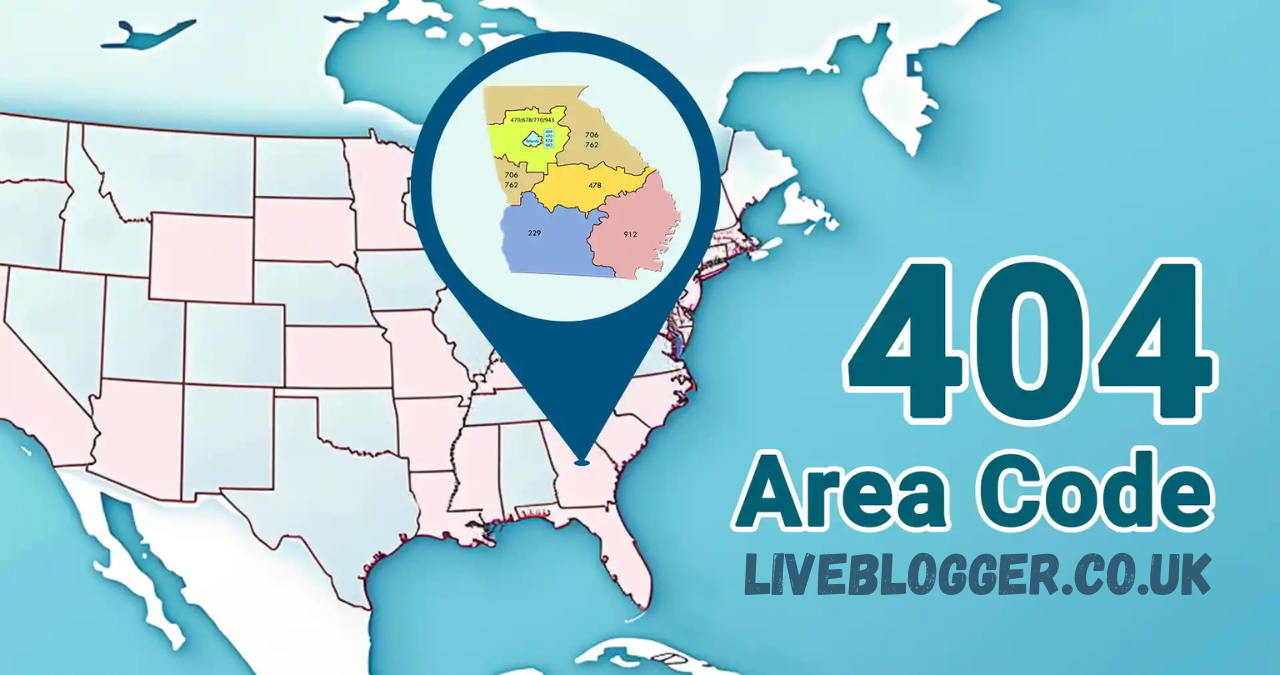
The 404 area code also operates alongside other nearby area codes, including 678 area code, 470 area code, and 770 area code. These additional codes were introduced as overlays to accommodate the rapidly growing demand for telephone numbers in the region.
Where Is the 404 Area Code Located?
The 404 area code is located in the southeastern United States and primarily serves the city of Atlanta in Georgia. Atlanta is one of the largest metropolitan areas in the country and functions as a major economic, cultural, and transportation center. Because of this, the demand for phone numbers in the region has always been high. The 404 area code is generally associated with the central parts of the city and some surrounding communities within the Atlanta metropolitan area.
Atlanta’s importance as a business and technology hub has played a major role in shaping the usage of the 404 area code. Large corporations, media companies, and startups are headquartered in the city, which means thousands of businesses rely on local phone numbers for communication and branding. As a result, numbers with the 404 prefix are often considered prestigious because they indicate a long-standing connection to the city.
The geographic coverage of the 404 area code has changed significantly over time. In the early days of the telephone network, it covered all of Georgia. However, as population density increased and more phone lines were installed, the area served by the code became smaller. Today, the code primarily covers Atlanta and a limited number of nearby communities.
Despite its reduced geographic coverage, the 404 area code remains one of the most recognizable telephone identifiers in the region. Even people who live in surrounding suburbs often associate the number with the heart of Atlanta, reinforcing its role as a symbol of the city’s identity.
History and Evolution of the 404 Area Code
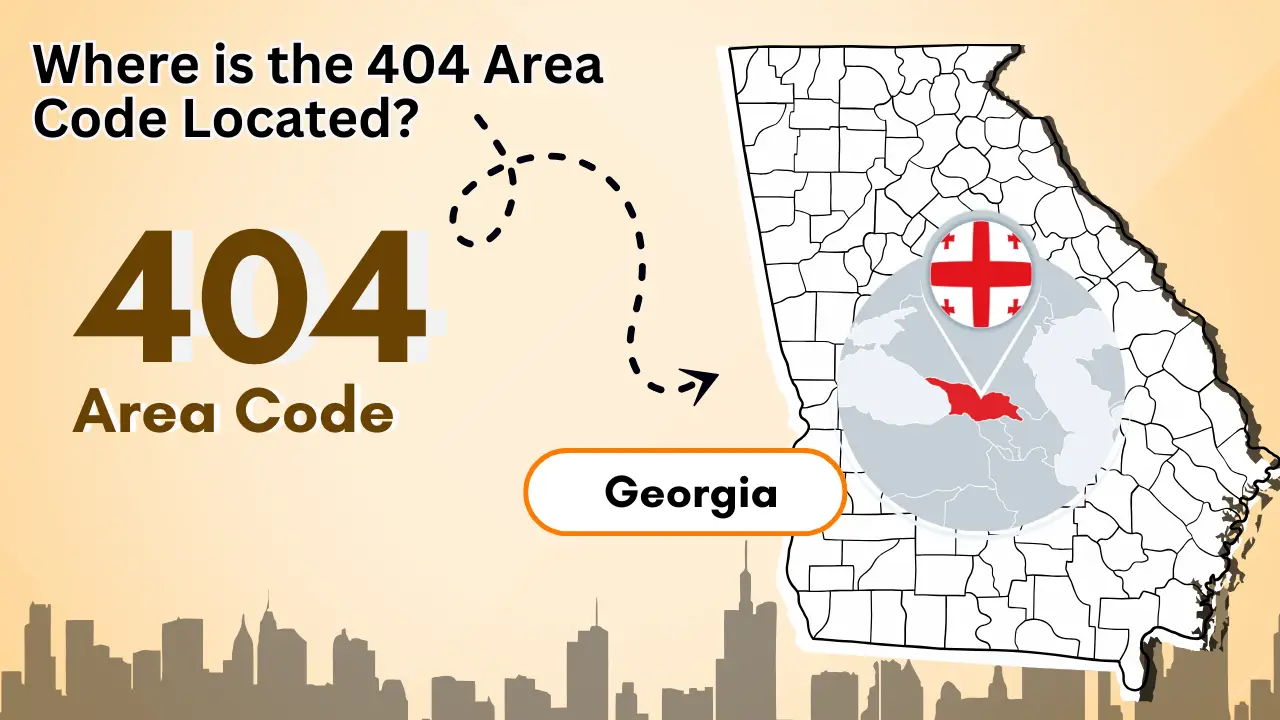
The history of the 404 area code dates back to the mid-20th century when the North American Numbering Plan was first introduced. In 1947, telecommunications authorities assigned the 404 area code to the entire state of Georgia. At the time, telephone usage was relatively limited, and the population of the state was far smaller than it is today. A single area code was more than sufficient to meet the communication needs of residents and businesses.
However, the decades that followed saw rapid growth in both population and technology. The rise of household telephones, business phone systems, fax machines, and eventually mobile phones dramatically increased the demand for phone numbers. As Atlanta grew into a major urban center, the number of required telephone lines expanded at an unprecedented rate.
To accommodate this demand, telecommunications authorities began dividing the original 404 region into smaller areas. New area codes were introduced to serve different parts of Georgia. Over time, the coverage of the 404 area code became concentrated mainly in Atlanta itself, while other regions received their own distinct area codes.
Eventually, the traditional method of splitting area codes was replaced with an overlay system. Instead of dividing geographic regions again, additional area codes such as the 678 and 470 codes were layered over the same region. This allowed multiple area codes to serve the same geographic area, ensuring that new phone numbers could continue to be issued without disrupting existing numbers.
Cultural Significance of the 404 Area Code
Over the years, the 404 area code has become deeply connected to Atlanta’s cultural identity. For many residents, the number represents more than just a phone prefix—it symbolizes belonging to one of the most dynamic cities in the United States. People who grew up in Atlanta often take pride in having a 404 phone number, viewing it as a sign of their roots in the city.
The influence of the 404 area code can also be seen in music, entertainment, and local branding. Atlanta has played a major role in shaping modern hip-hop and popular culture, and the city’s artists frequently reference the area code in lyrics and performances. These references have helped spread the recognition of the number far beyond Georgia, making it familiar to audiences across the country and even internationally.
Businesses in Atlanta also use the 404 area code as a marketing tool. Restaurants, clothing brands, and technology startups often incorporate the number into their brand identity to emphasize their connection to the city. This strategy helps create a sense of authenticity and local pride, which can be appealing to customers who value community ties.
In many ways, the 404 area code has become part of the city’s cultural language. It represents Atlanta’s history, growth, and influence in industries such as music, film, technology, and commerce.
404 Area Code Phone Scams and Spam Calls

Like many well-known area codes, the 404 prefix is sometimes used in phone scams. Advances in technology have made it possible for scammers to manipulate caller ID systems through a process known as number spoofing. This allows them to display a phone number with the 404 area code even if the call is actually originating from somewhere else in the world.
Scammers often use familiar area codes because people are more likely to answer calls that appear to come from a local number. For example, a person living in Atlanta might assume that a call from a 404 number is coming from a neighbor, business, or local organization. This increases the chances that the call will be answered.
Common scams involving 404 numbers include robocalls, fake government agencies, and fraudulent prize notifications. In many cases, the caller attempts to pressure the recipient into providing personal information or making an immediate payment. These tactics rely on urgency and confusion to trick victims into acting quickly.
To protect against such scams, experts recommend avoiding sharing personal information over the phone unless the caller’s identity is verified. Many mobile devices also allow users to block suspicious numbers or report spam calls. By staying informed and cautious, individuals can significantly reduce the risk of becoming victims of phone scams.
Conclusion
The 404 area code is far more than just a telephone prefix. It represents decades of history, technological progress, and cultural development centered around the city of Atlanta. From its origins as the original area code for the entire state of Georgia to its current role serving the heart of Atlanta, the number has witnessed remarkable growth and change.