


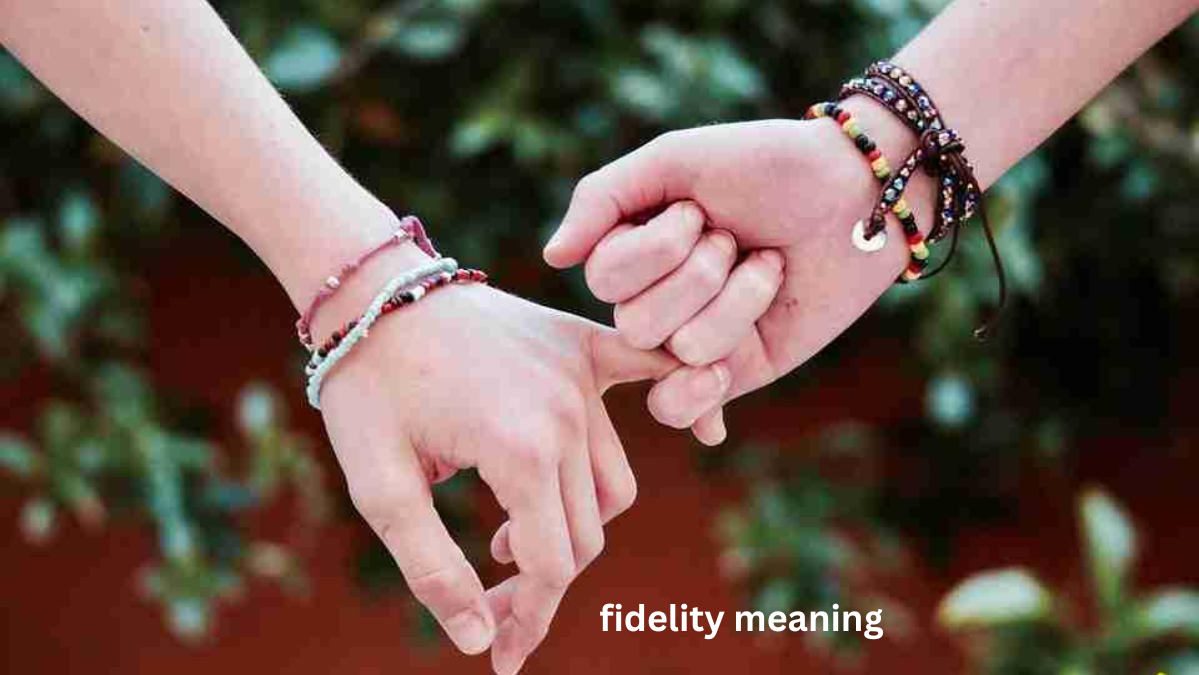
Fidelity Meaning : Fidelity is a word that carries weight in our daily interactions, relationships, and even financial decisions. But what exactly does fidelity mean? At its core, fidelity refers to the quality of being faithful, loyal, and devoted to a person, cause, or belief. It goes beyond mere agreement or compliance; it embodies commitment, reliability, and consistency over time. Whether in personal relationships, professional environments, or even technology, understanding fidelity is crucial to building trust and ensuring lasting bonds.
The meaning of fidelity is deeply rooted in human behavior and societal values. Loyalty and trust form the foundation of any meaningful connection, and fidelity acts as a guide to maintaining those bonds. This article explores the various dimensions of fidelity, from its historical origins to modern interpretations, and highlights why it remains a significant virtue in today’s fast-paced world.
Fidelity Meaning in Relationships
When people hear the term fidelity, relationships are often the first context that comes to mind. In romantic partnerships, fidelity refers to the faithfulness between partners, which includes emotional loyalty, physical commitment, and mutual respect. Maintaining fidelity in a relationship fosters trust, strengthens emotional bonds, and ensures a healthy and supportive environment for both individuals.
However, fidelity in relationships is not limited to romantic contexts. It extends to friendships, family bonds, and professional associations. Being loyal to someone means respecting their trust, keeping promises, and consistently showing support. Modern relationships often challenge traditional definitions of fidelity, emphasizing transparency, communication, and mutual understanding as vital components of being faithful.
Fidelity Meaning in Professional Life
Fidelity is not just a personal virtue; it holds significant value in professional life as well. In business, fidelity can mean adherence to ethical standards, loyalty to an organization, or commitment to professional responsibilities. Employees who demonstrate fidelity contribute to the growth and stability of their workplace, while organizations that honor fidelity create a culture of trust and mutual respect.
Professional fidelity also applies to client relationships and business partnerships. Consistently delivering on promises, maintaining confidentiality, and demonstrating reliability are all expressions of fidelity in the workplace. It ensures that professional interactions are grounded in trust, leading to long-term collaborations and sustainable success.
Fidelity Meaning in Legal and Financial Contexts
Fidelity carries a specialized meaning in legal and financial domains. In finance, for example, fidelity can refer to accuracy, trustworthiness, and adherence to agreements or contracts. A “fidelity bond” is a common term used to protect businesses from employee dishonesty, emphasizing the importance of loyalty and reliability in financial transactions.
Legally, fidelity might be examined in terms of contractual obligations or ethical compliance. Individuals and institutions are expected to demonstrate fidelity by acting with integrity and honoring their commitments. In these contexts, fidelity is closely linked with accountability, reinforcing the idea that trust is earned through consistent and reliable behavior.
Historical Perspectives on Fidelity
The concept of fidelity has deep historical roots. In ancient civilizations, fidelity was often tied to moral, religious, and societal norms. Warriors, rulers, and citizens were expected to display unwavering loyalty to their leaders, communities, or deities. Literature and philosophy from various cultures highlight fidelity as a moral virtue essential for social harmony and personal honor.
Over time, the understanding of fidelity has evolved. While traditional interpretations emphasized rigid loyalty and duty, modern perspectives recognize the importance of choice, understanding, and emotional intelligence in maintaining fidelity. Today, fidelity is less about blind obedience and more about conscious commitment and ethical consistency.
Fidelity Meaning in Technology and Everyday Life
Fidelity is not limited to human interactions; it also finds application in technology and everyday tools. For example, in audio and video technology, fidelity refers to the accuracy with which sound or images are reproduced. High-fidelity devices produce clearer, more precise results, reflecting the original content as closely as possible. Here, fidelity represents reliability, consistency, and quality—principles that align with its broader human meaning.
In daily life, fidelity can manifest in habits, routines, and personal commitments. Whether it’s staying true to one’s values, maintaining punctuality, or honoring promises, fidelity is about creating reliability and dependability. By practicing fidelity in small ways, individuals build a reputation for trustworthiness and integrity.
How to Cultivate Fidelity in Life
Cultivating fidelity is both an internal and external process. It begins with self-awareness, understanding your values, and identifying the relationships and responsibilities that matter most. Clear communication, empathy, and honesty are essential tools for fostering fidelity in personal and professional life.
Additionally, building fidelity requires consistency over time. One cannot claim loyalty or faithfulness based on occasional actions; it must be demonstrated continuously. Setting boundaries, respecting others’ trust, and prioritizing ethical behavior are practical ways to strengthen fidelity. Ultimately, fidelity is about choosing to act with integrity even when circumstances are challenging.
Common Misunderstandings About Fidelity
Despite its importance, fidelity is often misunderstood. Many people equate fidelity solely with sexual or romantic loyalty, overlooking its broader applications in friendships, family, work, and personal principles. Others may view fidelity as rigid or restrictive, failing to recognize that it can coexist with flexibility, understanding, and personal growth.
Another common misconception is that fidelity is only about external behavior. True fidelity begins internally, with intention and awareness. It’s not simply avoiding betrayal or deception; it’s cultivating a mindset of trustworthiness, accountability, and ethical consistency in all areas of life.
Modern Challenges to Fidelity
In today’s fast-paced, digital world, maintaining fidelity can be challenging. Social media, long-distance relationships, and constant connectivity create new pressures on personal loyalty and trust. Professional fidelity also faces challenges due to shifting work dynamics, remote teams, and evolving organizational structures.
Despite these challenges, fidelity remains relevant and necessary. Navigating modern complexities requires adaptability, open communication, and a commitment to ethical behavior. By understanding fidelity as a principle rather than a rigid rule, individuals and organizations can uphold trust in contemporary contexts.
The Benefits of Practicing Fidelity
Practicing fidelity yields profound benefits across all areas of life. In relationships, it strengthens trust, deepens emotional bonds, and creates a foundation of security. Professionally, fidelity enhances reputation, builds credibility, and fosters long-term success. In personal life, fidelity brings peace of mind, self-respect, and alignment with one’s values.
Moreover, fidelity encourages a ripple effect. When one demonstrates loyalty and trustworthiness, it inspires others to do the same, creating environments—whether personal, social, or professional—that thrive on mutual respect and integrity. Ultimately, fidelity is not just a personal virtue but a social catalyst that improves the quality of human connections.
Frequently Asked Questions (FAQs) About Fidelity
Q: What is fidelity in simple terms?
A: Fidelity means being faithful, loyal, and consistent to someone or something. It involves trust, honesty, and commitment in relationships, work, or personal values.
Q: Can fidelity apply to friendships?
A: Absolutely. Fidelity in friendships is about being loyal, dependable, and supportive over time, not just in romantic relationships.
Q: How is fidelity measured in professional life?
A: In professional contexts, fidelity is demonstrated through reliability, ethical behavior, honoring commitments, and consistently acting in the best interest of colleagues, clients, or organizations.
Q: Does fidelity change over time?
A: While the core principle of loyalty remains, the ways in which fidelity is expressed can evolve with personal growth, societal changes, and shifting circumstances.
Q: Is fidelity important in modern relationships?
A: Yes. Even in contemporary, flexible relationships, fidelity builds trust, emotional security, and mutual respect, forming the foundation for long-lasting connections.
Conclusion
Fidelity Meaning: Fidelity is a timeless concept that transcends relationships, professions, and even technology. Its meaning encompasses loyalty, faithfulness, reliability, and ethical consistency. Understanding and practicing fidelity allows individuals to build trust, maintain meaningful relationships, and navigate complex societal structures with integrity.
In a world that is constantly changing, fidelity reminds us of the importance of commitment, honesty, and dependable action. It is both a personal virtue and a social glue, connecting people, organizations, and communities through trust and loyalty. By embracing fidelity, we not only honor our commitments but also create environments where honesty, reliability, and trust can thrive.