

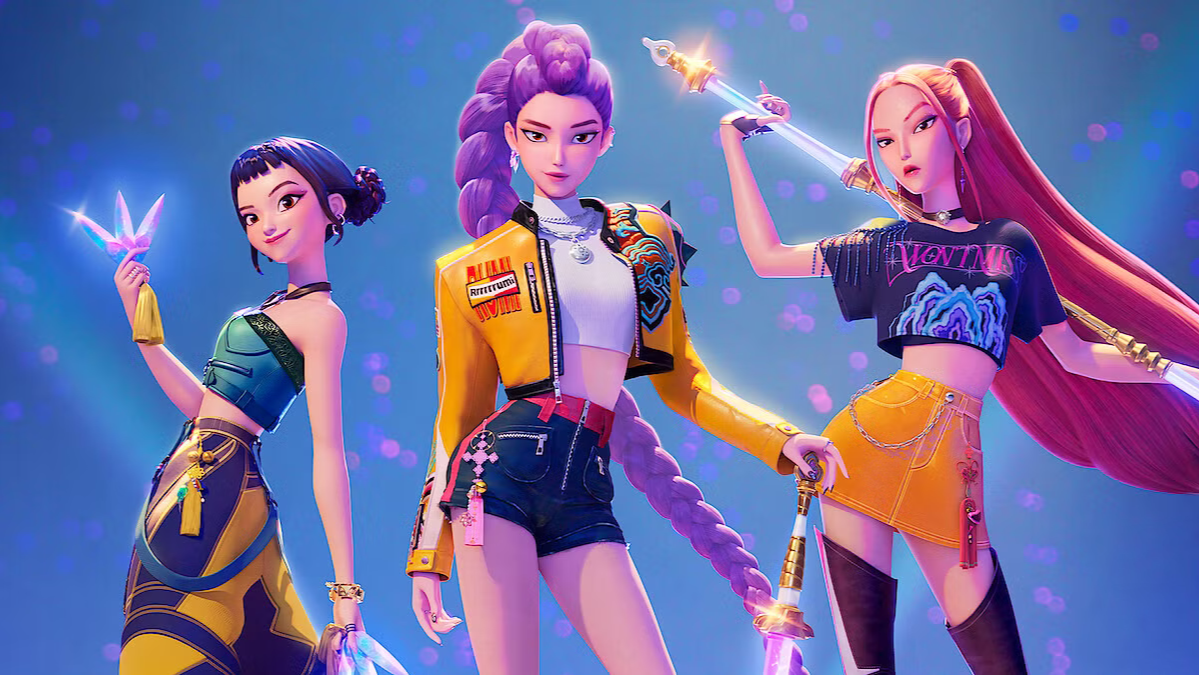
The phrase rumi kpop demon hunters has quietly started gaining attention across fandom spaces, creative forums, and pop culture discussions. At first glance, it sounds like an unusual combination of ancient spirituality, modern music culture, and dark fantasy storytelling. Yet that contrast is exactly why the idea resonates so deeply with modern audiences.
Korean pop culture has always thrived on blending genres. Whether it is mixing traditional folklore with futuristic visuals or pairing emotional vulnerability with explosive performance energy, Kpop constantly reinvents itself. The concept of rumi kpop demon hunters sits right at the center of that evolution, bringing together poetic philosophy, supernatural conflict, and the idol narrative fans already love.
This article explores where this idea comes from, why it works so well, and how it reflects a broader shift in storytelling within Kpop-inspired worlds. We will look at symbolism, cultural influence, character design, and audience psychology, all while keeping the discussion grounded, readable, and practical for curious fans and content creators alike.
Rumi Kpop Demon Hunters as a Conceptual Fusion of Art and Darkness
The core appeal of rumi kpop demon hunters lies in its fusion of opposites. On one side, you have “Rumi,” a name strongly associated with poetry, introspection, spiritual longing, and inner transformation. On the other, you have Kpop demon hunters, figures defined by action, spectacle, danger, and visual intensity. When these two worlds collide, something unexpectedly rich emerges.
This fusion works because modern audiences crave depth beneath spectacle. Kpop already delivers stunning visuals and addictive music, but fans increasingly look for layered narratives. By introducing demon hunting as a metaphor, creators can explore internal struggles, fame, identity, temptation, and emotional resilience without making the story feel preachy or heavy-handed.
In this conceptual space, demons are rarely just monsters. They often symbolize fear, trauma, ego, or societal pressure. Rumi-inspired philosophy adds a reflective layer, suggesting that the real battle is not only external but deeply internal. That balance gives the concept emotional weight while still leaving room for high-energy performance and dramatic storytelling.
Rumi Kpop Demon Hunters and the Evolution of Idol Storytelling
The idea of rumi kpop demon hunters reflects how idol narratives have matured over time. Early Kpop concepts focused heavily on surface-level aesthetics, such as cute, cool, or rebellious identities. While those themes still exist, today’s audiences expect something more cohesive and symbolic.
Demon hunter narratives allow idols to become characters rather than just performers. Each member can represent a different strength, weakness, or philosophical theme. This transforms albums, music videos, and stage performances into chapters of a larger story, encouraging fans to engage more deeply and emotionally.
What makes this evolution powerful is its flexibility. The demon hunter identity can be subtle or explicit. Some interpretations lean heavily into fantasy visuals, while others keep the demons metaphorical, represented through choreography, lyrics, or visual motifs. This adaptability ensures the concept remains fresh rather than gimmicky.
Rumi Kpop Demon Hunters in Symbolism and Mythic Language
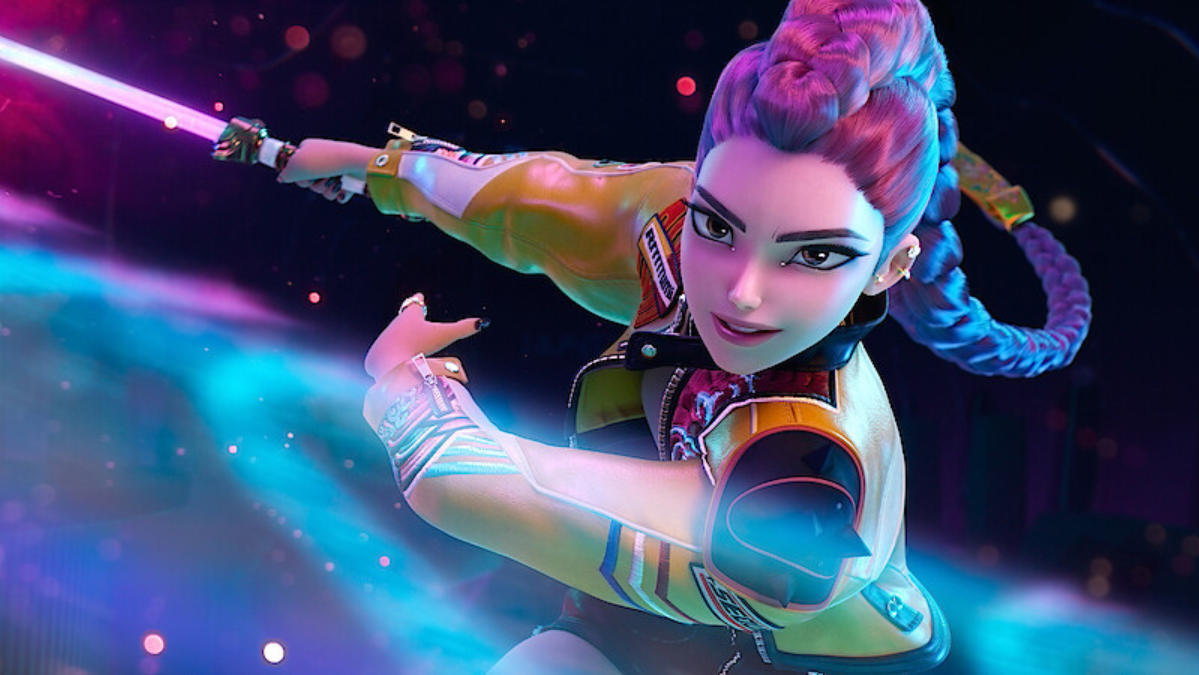
Symbolism is the backbone of the rumi kpop demon hunters idea. Rumi’s poetic legacy emphasizes inner journeys, love as transformation, and the idea that pain often leads to awakening. When these themes are embedded into demon hunter stories, they elevate the narrative beyond simple good versus evil.
In this framework, demons are not always meant to be destroyed. Sometimes they are meant to be understood, faced, or transformed. That aligns perfectly with Rumi-style philosophy, which often suggests that darkness is a teacher rather than an enemy. This nuance adds emotional sophistication to the storytelling.
For fans, symbolism becomes a playground for interpretation. Lyrics can be analyzed, visuals decoded, and character arcs debated. This type of engagement builds long-term loyalty and keeps the fandom active between releases, which is one of the reasons such concepts perform so well in the digital age.
The Aesthetic Language Behind Demon Hunters in Kpop Culture
Aesthetics play a major role in making rumi kpop demon hunters compelling. Dark color palettes, traditional patterns, symbolic weapons, and contrast between light and shadow are often used to visually express inner conflict. These visuals are striking without feeling empty because they are tied to narrative meaning.
Fashion choices often blend modern streetwear with mythic elements. Flowing fabrics, sharp silhouettes, and layered textures suggest both vulnerability and strength. This balance mirrors the philosophical undertones of the concept, where softness and power coexist rather than compete.
Stage design and cinematography further reinforce the theme. Mirrors, fire, water, and broken spaces are commonly used to represent transformation. When executed well, these visuals do not just decorate the performance but actively tell the story, making each stage feel like a living chapter.
Emotional Resonance and Fan Connection
One reason rumi kpop demon hunters resonates so strongly is its emotional accessibility. Despite the supernatural framing, the core struggles are deeply human. Fear of failure, loss of self, pressure to perform, and longing for meaning are experiences many fans relate to.
By framing these struggles as demons to be confronted, the narrative offers a sense of hope. It suggests that pain is survivable and growth is possible. This message aligns well with the emotional support many fans find in Kpop, turning music into a source of comfort rather than just entertainment.
The philosophical undertones also encourage introspection. Fans are not just watching idols fight imaginary monsters; they are reflecting on their own inner battles. That shared emotional space strengthens the bond between artist and audience, which is crucial in modern fandom culture.
Creative Worldbuilding and Long-Term Narrative Potential
From a creative standpoint, rumi kpop demon hunters offers enormous worldbuilding potential. It allows for multiple story arcs, character evolutions, and thematic explorations without becoming repetitive. Each comeback can represent a new phase in the journey rather than a disconnected concept.
Worldbuilding does not have to be complicated to be effective. Even small recurring symbols or narrative callbacks can make the universe feel alive. Over time, fans begin to recognize patterns and anticipate developments, which keeps them invested.
This long-term approach aligns perfectly with how Kpop groups operate. Careers are built over years, not months. A flexible yet meaningful concept like this can grow alongside the artists, reflecting their personal and professional evolution in subtle ways.
Cultural Sensitivity and Responsible Interpretation
While the name Rumi carries spiritual and cultural weight, responsible interpretation is essential. The goal is not to directly replicate historical or religious teachings but to draw inspiration from universal themes like love, transformation, and self-discovery.
When handled thoughtfully, this approach avoids appropriation and instead celebrates shared human experiences. Many creators abstract the philosophy rather than referencing specific texts, ensuring the concept remains inclusive and respectful.
This sensitivity also helps maintain credibility. Audiences today are highly aware of cultural context. Concepts that feel shallow or exploitative are quickly criticized, while those that show care and depth are praised and supported.
Music, Lyrics, and Narrative Alignment
For the rumi kpop demon hunters idea to truly succeed, music and lyrics must align with the narrative. Songs often explore themes of struggle, awakening, temptation, and resilience. Rather than being overly literal, lyrics usually rely on metaphor, allowing listeners to interpret meaning personally.
This subtlety enhances replay value. Fans return to songs repeatedly, discovering new layers each time. Over time, tracks become emotionally anchored to specific moments in the story, strengthening their impact.
Musically, darker concepts often lean toward dramatic instrumentals, layered vocals, and dynamic shifts. These elements mirror the emotional highs and lows of the narrative, making the listening experience immersive rather than passive.
The Role of Performance and Choreography
Choreography is another critical storytelling tool in rumi kpop demon hunters narratives. Movement can express conflict, resistance, surrender, and transformation without a single word. Sharp motions may represent struggle, while fluid movements suggest acceptance or growth.
Group formations often change to reflect power dynamics or emotional distance. Solo moments highlight internal battles, while synchronized sections represent unity and collective strength. These visual cues make performances emotionally legible even to casual viewers.
When choreography, music, and visuals align, the result feels intentional and complete. This cohesion is what separates memorable concepts from forgettable ones.
Digital Fandom and Interpretive Culture
Online spaces play a huge role in amplifying the impact of rumi kpop demon hunters. Fans create theories, artwork, edits, and essays exploring every detail. This participatory culture turns storytelling into a shared experience rather than a one-way broadcast.
Algorithms also reward depth. Content that sparks discussion tends to circulate longer, reaching audiences beyond the original fandom. This organic spread helps concepts gain visibility without relying solely on promotion.
Importantly, interpretive freedom allows fans to find personal meaning. There is no single “correct” interpretation, which keeps the narrative open and emotionally flexible.
Why This Concept Reflects Modern Audience Values
At its core, rumi kpop demon hunters reflects what modern audiences value most: authenticity, emotional depth, and meaning. Flashy visuals alone are no longer enough. People want stories that acknowledge struggle without glorifying despair.
The idea that demons can be faced, understood, and transformed aligns with contemporary conversations about mental health and self-growth. It frames vulnerability as strength rather than weakness, which resonates strongly with younger audiences.
This alignment is not accidental. Kpop has always adapted to cultural shifts, and this concept is a natural evolution of that responsiveness.
Conclusion: The Enduring Appeal of Rumi Kpop Demon Hunters
The concept of rumi kpop demon hunters works because it is layered, flexible, and emotionally grounded. It blends philosophical reflection with high-energy performance, offering both spectacle and substance. Rather than feeling like a trend, it feels like a framework capable of evolving over time.
By combining mythic storytelling with modern identity struggles, this idea speaks to audiences on multiple levels. It entertains, comforts, and challenges, all without sacrificing accessibility. That balance is rare and valuable in contemporary pop culture.
As Kpop continues to push creative boundaries, concepts like this will likely play an increasingly important role. They remind us that even in the most polished performances, there is room for vulnerability, introspection, and growth.
Frequently Asked Questions
What does rumi kpop demon hunters represent in modern storytelling
It represents a blend of philosophical introspection and fantasy symbolism used to explore inner struggles through visually engaging narratives.
Is the demon hunter theme meant to be literal or symbolic
In most interpretations, demons function symbolically, representing fear, pressure, or emotional conflict rather than literal monsters.
Why do fans connect so strongly with this type of concept
Because it mirrors real emotional experiences while offering hope, transformation, and empowerment through metaphor and art.
Does this concept require knowledge of philosophy to enjoy
Not at all. The themes are universal and can be appreciated intuitively, even without understanding their deeper inspirations.
Can this narrative style work long term in Kpop
Yes, its flexibility allows it to grow and evolve with artists, making it suitable for long-term storytelling and audience engagement.