

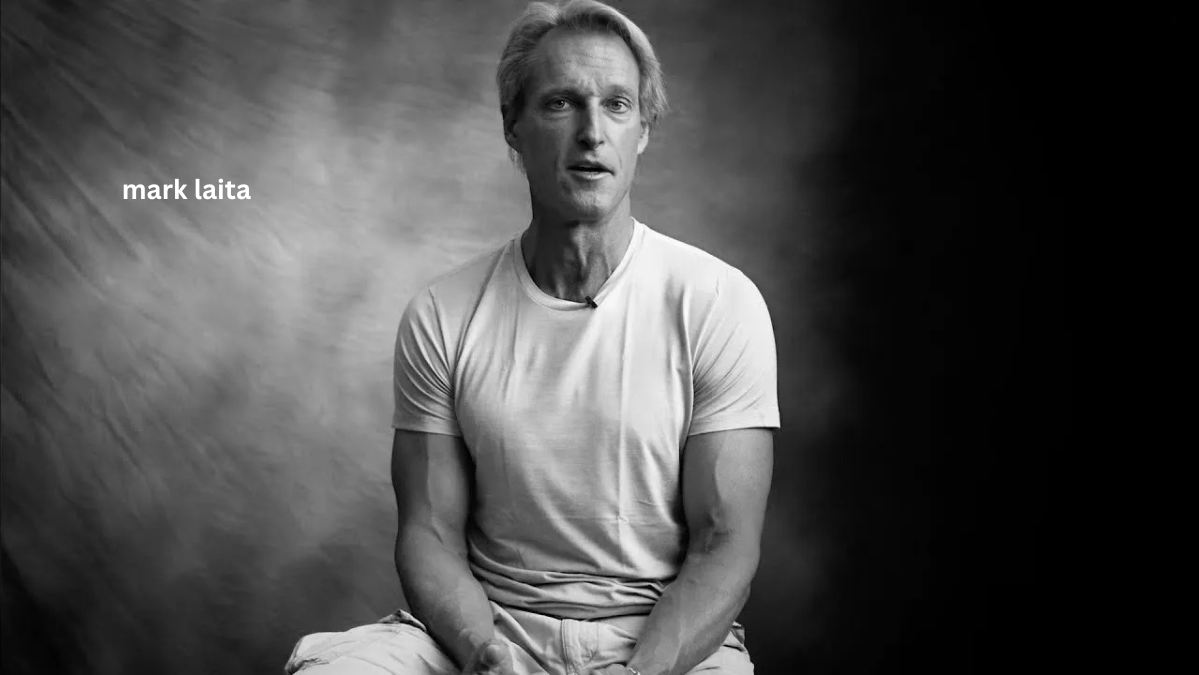
Some creative figures leave an impact not because they chase attention, but because they choose to look where others turn away. Mark Laita belongs to that rare category. His work exists at the intersection of photography, storytelling, and empathy, creating space for voices that are often ignored. Rather than presenting polished perfection, his visuals highlight reality in its rawest and most human form.
What makes his approach resonate is the quiet respect embedded in every frame. The stories are not rushed, exaggerated, or framed for shock. They unfold slowly, allowing viewers to connect on an emotional level. This ability to slow people down and encourage reflection has become one of the defining traits of his creative identity.
Mark Laita and His Early Creative Direction
In the early phase of his career, Mark Laita developed his technical foundation through commercial photography. Working in structured, high-standard environments sharpened his understanding of lighting, composition, and visual discipline. These skills later became tools he would use to tell much deeper and more personal stories.
Over time, his curiosity shifted from products and campaigns to people and lived experiences. This transition did not happen overnight. It evolved naturally as his desire to explore authenticity grew stronger. He began to see photography not just as a profession, but as a way to understand human behavior and emotional truth.
That shift marked a turning point. The camera became less about aesthetics and more about connection. This mindset laid the groundwork for the meaningful body of work he would later become known for
Mark Laita and the Meaning Behind His Visual Style
The visual style associated with Mark Laita is simple, controlled, and intentional. Backgrounds are often minimal, distractions are removed, and attention is directed entirely toward the subject. This simplicity allows emotion to surface without interference.
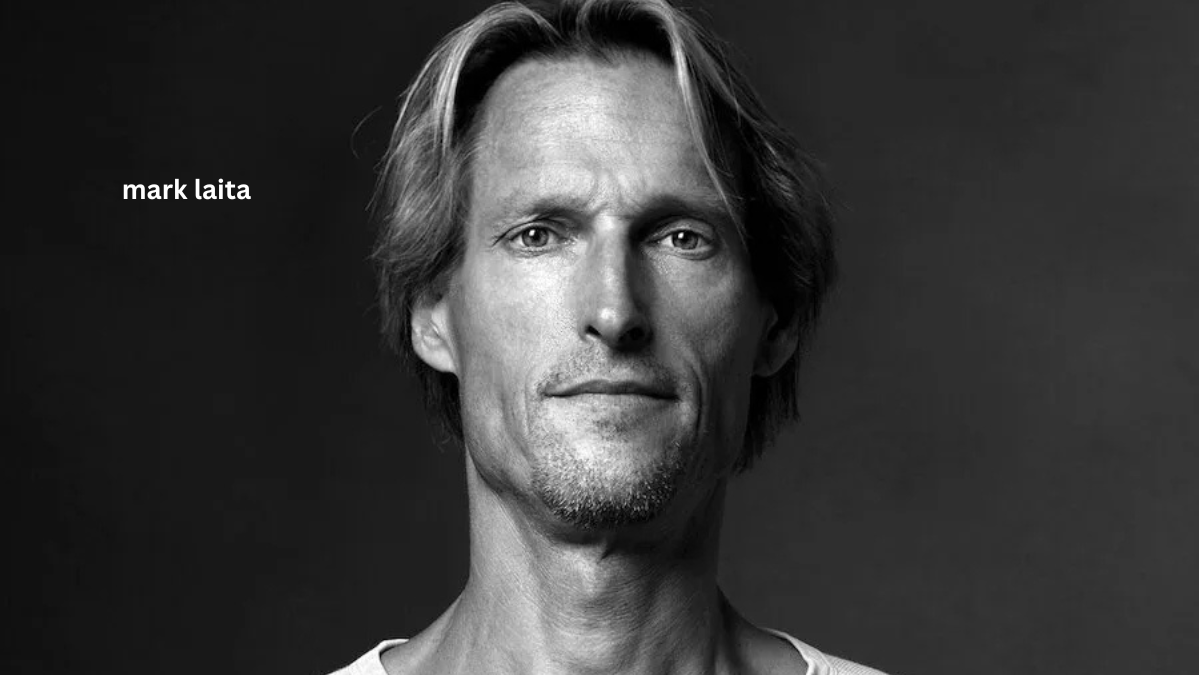
His portraits feel calm but heavy at the same time. Facial expressions, posture, and silence speak louder than dramatic settings. This restraint shows confidence in the subject’s story rather than reliance on visual tricks. The viewer is invited to observe, not to be overwhelmed.
What stands out most is the sense of presence. His images feel personal, as if the subject is aware of being seen rather than captured. That feeling comes from trust, patience, and genuine engagement.
Mark Laita and His Approach to Human-Centered Storytelling
Storytelling, in his work, begins with listening. Conversations often come before photographs. This process helps people feel respected and heard, which naturally translates into more honest representation.
Instead of guiding subjects toward a narrative, he allows them to express themselves freely. This choice removes performance and replaces it with truth. Viewers can sense when a story is authentic, and that authenticity is what gives the work its emotional weight.
By focusing on individual experiences rather than labels, his storytelling avoids stereotypes. Each person appears as a complete human being shaped by circumstance, not defined by it.
Cultural Relevance of Mark Laita’s Work
The cultural importance of this body of work lies in visibility. Stories that often exist in the shadows are brought into public awareness without distortion. This visibility challenges viewers to reconsider their assumptions about society and its margins.
Rather than encouraging judgment, the work encourages understanding. It shows how complex human lives are, and how easily they are reduced by distance and misunderstanding. By closing that distance, the work becomes socially impactful.
This relevance extends beyond art spaces. It influences conversations about empathy, responsibility, and the role of media in shaping perception.
Emotional Authenticity in Portrait Photography
Emotional authenticity cannot be staged, and that truth is evident throughout these portraits. Expressions are subtle, sometimes uncomfortable, and always real. There is no attempt to beautify pain or dramatize hardship.
Lighting and framing support the emotion rather than competing with it. The result is a quiet intensity that draws viewers in. These images do not demand attention. They earn it.
This emotional honesty is what stays with people long after viewing. It creates a connection that feels personal and reflective rather than distant.
Ethical Responsibility in Story-Based Art
Ethics play a central role in this creative process. Every decision, from how stories are shared to how subjects are represented, reflects a sense of responsibility. Visibility is treated as something earned, not taken.
Consent, respect, and transparency shape the storytelling process. This ethical foundation ensures that the work empowers rather than exploits. It also builds trust between creator, subject, and audience.
In a digital environment driven by engagement metrics, this ethical consistency stands out as both rare and necessary.
Influence on Modern Visual Storytelling
Many emerging photographers and creators reference this approach as inspiration. Not because of style alone, but because of mindset. It proves that meaningful work does not require spectacle.
The influence can be seen in how modern storytellers prioritize authenticity and depth. There is a growing appreciation for content that feels human rather than manufactured. This shift reflects a broader cultural desire for honesty.
By staying true to a human-first philosophy, this work continues to guide new creative directions.
Presence in the Digital Era
Digital platforms have expanded the reach of this storytelling without compromising its integrity. Online visibility has introduced these narratives to audiences who may never encounter them otherwise.
Despite wider exposure, the tone remains unchanged. Stories are still told with care, patience, and respect. This consistency reinforces trust and keeps the work grounded.
In a fast-moving digital space, the ability to slow people down has become a powerful strength.
Lessons for Creators and Storytellers
One of the most valuable lessons here is patience. Rushed stories lack depth. Time allows truth to surface naturally. Another lesson is empathy. Technical skill matters, but emotional awareness matters more.
Staying authentic, even when trends shift, builds long-term credibility. This approach shows that integrity is not a limitation. It is an advantage.
For anyone creating content rooted in human experience, these lessons are timeless.
Conclusion
The work associated with Mark Laita reminds us that storytelling can be both honest and respectful. It shows that seeing people clearly requires effort, humility, and patience.
Through quiet observation and ethical intention, deeply human stories emerge. These stories do not aim to shock. They aim to connect. That connection is what gives them lasting power.
In a world saturated with noise, this kind of storytelling remains rare and deeply needed.
Frequently Asked Questions
Who is Mark Laita
He is a photographer and storyteller known for documenting real human experiences with empathy and honesty.
What defines his creative approach
A focus on listening, ethical responsibility, and emotional authenticity rather than visual excess.
Why is his work impactful
Because it humanizes overlooked voices and encourages understanding instead of judgment.
What can creators learn from this style
The importance of patience, empathy, and staying true to one’s values.
Is this work relevant today
Yes, especially in a digital age where authenticity is increasingly valued.