

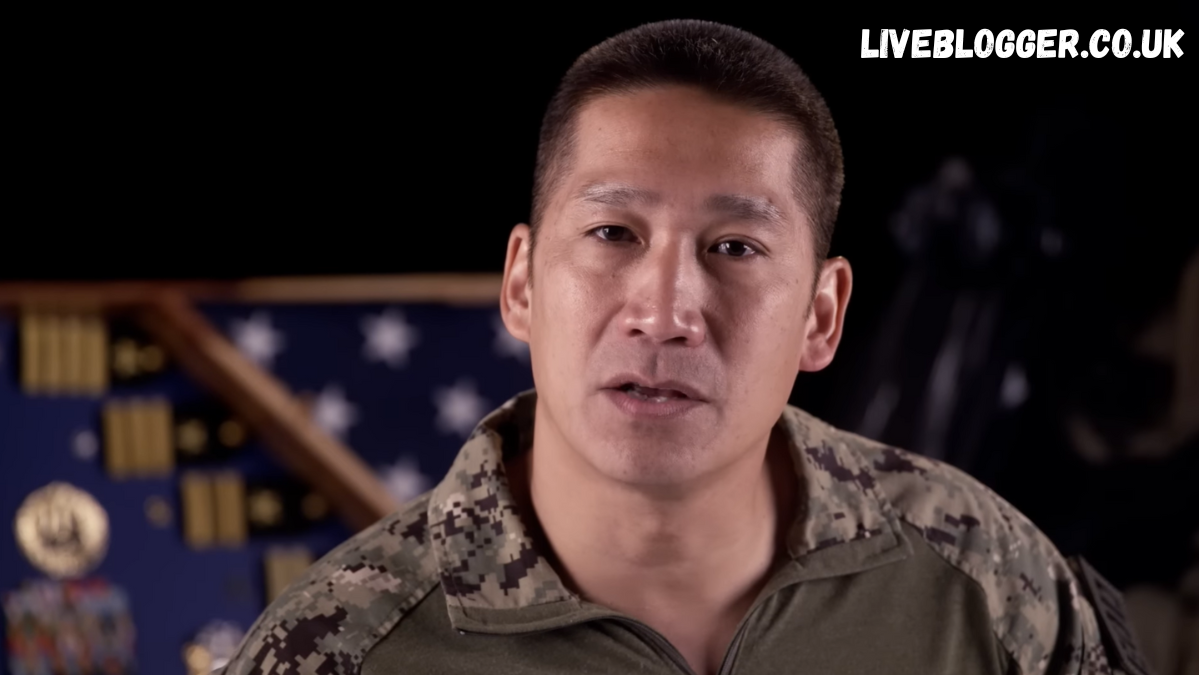
Hung Cao’s journey is one of grit, gratitude, and grounded leadership. His life reflects the classic American story of resilience, shaped by sacrifice and strengthened by opportunity. From arriving in the United States as a refugee to serving as a Navy veteran and later stepping into the political arena, he embodies a commitment to service that resonates with many Americans today.
What makes his story compelling is not just the milestones he achieved, but the perspective he carries. His background, shaped by experiences of hardship and transformation, influences his approach to leadership and civic responsibility. Rather than leaning on dramatic rhetoric, he tends to emphasize duty, discipline, and accountability—principles forged during his military career and refined through years of public engagement.
Hung Cao and His Early Life Journey
Hung Cao’s early life laid the foundation for his understanding of freedom and responsibility. Born in Vietnam, he and his family fled the country after the fall of Saigon. Like many refugee families, they faced uncertainty and hardship before eventually settling in the United States. This formative experience instilled in him a deep appreciation for the opportunities that America provides.
Growing up in a new country meant adapting to a different culture while holding onto core family values. His parents emphasized education, perseverance, and gratitude. These principles shaped his character long before he ever wore a military uniform. The challenges of starting over in a foreign land taught him resilience and sharpened his sense of purpose. It is often said that adversity builds strength, and in his case, it certainly did.
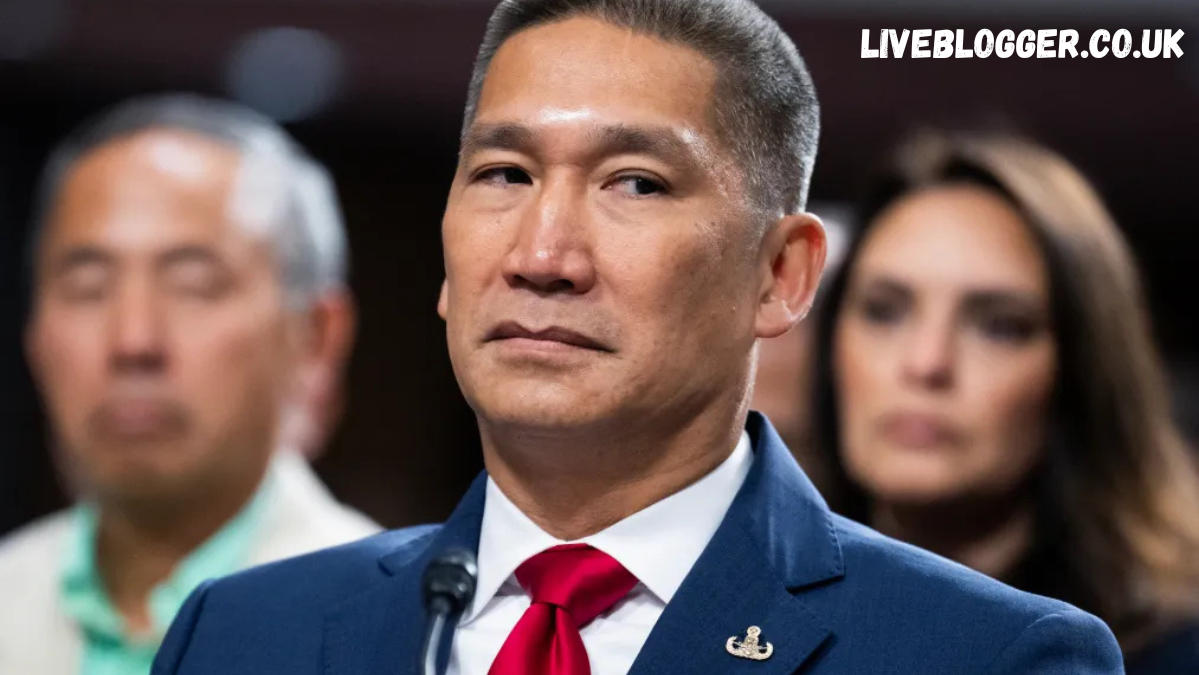
Hung Cao and His Military Service Commitment
One of the defining chapters in Hung Cao’s life is his service in the United States Navy. Choosing a military career was more than a professional decision; it was a personal commitment to give back to the country that gave his family refuge. Over the years, he built a reputation for discipline, focus, and integrity.
His time in uniform exposed him to complex operations, leadership under pressure, and the importance of teamwork. Military life demands accountability, quick decision-making, and strategic thinking. These experiences not only shaped his leadership style but also deepened his understanding of national security and global affairs. Serving in high-stakes environments helped him develop a calm, analytical approach—qualities that later influenced his public service aspirations.
Hung Cao in the Political Arena
When Hung Cao entered politics, he brought with him a background rooted in service rather than career ambition. His transition from military officer to political candidate reflected a desire to influence policy and advocate for principles he believes strengthen the nation. Unlike many traditional politicians, his appeal often centers on lived experience rather than long-standing political networks.
His campaign themes frequently highlight national security, economic stability, and respect for constitutional values. He speaks about limited government, individual liberty, and fiscal responsibility in a manner that connects with voters who prioritize practical governance over partisan theatrics. Whether addressing local communities or engaging in national discussions, his tone tends to remain steady and policy-focused.
The Leadership Philosophy Behind the Public Persona
Leadership is not just about titles; it is about influence and accountability. Hung Cao’s philosophy appears rooted in service before self. This principle, widely recognized in military culture, emphasizes responsibility to others above personal gain. It shapes the way he frames discussions on governance and public duty.
His communication style often reflects clarity and directness. Rather than relying on complex political language, he tends to articulate ideas in straightforward terms. This accessibility makes his message easier to understand and evaluate. For many supporters, this transparency signals authenticity and reliability.
Cultural Identity and American Values
An important dimension of Hung Cao’s story is the intersection of cultural heritage and American identity. As a Vietnamese American who grew up appreciating both traditions, he represents the evolving fabric of modern America. His background offers a perspective that bridges immigrant experience with national pride.
He often speaks about gratitude toward the United States, not as abstract rhetoric but as lived reality. This gratitude informs his positions on national defense, economic opportunity, and civic engagement. By drawing on both personal history and professional experience, he presents a narrative that highlights the promise of integration without losing cultural roots.
Public Reception and Community Engagement
Public figures inevitably attract both support and criticism. Hung Cao is no exception. Supporters frequently praise his military record and disciplined approach to policy discussions. They view him as someone who understands the value of hard work and institutional accountability.
Critics, on the other hand, scrutinize his policy positions and campaign strategies. This dynamic is typical in modern politics, where ideological divisions can shape public perception. Despite differing opinions, his presence has undeniably contributed to broader conversations about representation, leadership, and civic responsibility.
Policy Focus and Strategic Priorities
In discussing policy, Hung Cao often emphasizes national security, economic growth, and veterans’ affairs. His military background naturally informs his views on defense spending and international relations. He argues that a strong defense posture deters conflict and protects American interests abroad.
On domestic issues, he frequently highlights fiscal responsibility and economic opportunity. His approach suggests that sustainable growth depends on disciplined budgeting and support for small businesses. By linking economic policy to everyday realities, he attempts to ground abstract debates in practical concerns.
The Role of Veterans in Modern Politics
The presence of veterans in politics has long shaped public trust in leadership. Hung Cao’s transition from military service to public office reflects a broader pattern in American history, where veterans leverage operational experience to influence policy decisions.
Military veterans often bring a pragmatic outlook to governance. Exposure to diverse environments and high-pressure situations can cultivate balanced decision-making skills. In his case, that experience appears to inform discussions about preparedness, alliances, and strategic planning.
Media Coverage and Public Narrative
Media coverage plays a crucial role in shaping public perception. Hung Cao’s campaigns have attracted attention not only for policy positions but also for the symbolism of his background. Stories frequently highlight his journey from refugee to Navy officer to political candidate.
Media narratives can amplify certain aspects of a candidate’s identity while downplaying others. In his case, the emphasis often rests on resilience and service. This framing resonates with audiences who value perseverance and national loyalty.
Community Roots and Family Influence
Behind every public figure is a network of family and community support. Hung Cao often references the influence of his parents and the sacrifices they made when relocating to America. Their determination and emphasis on education played a key role in shaping his outlook.
Community engagement also contributes to leadership development. Whether interacting with local organizations or attending civic events, he demonstrates an understanding that leadership extends beyond policy debates. It involves listening, learning, and responding to constituents’ concerns.
Challenges and Lessons Learned
Every leadership journey includes setbacks and obstacles. Hung Cao’s path has been shaped by both professional challenges and political competition. Campaigns are demanding endeavors that test resilience and adaptability.
Rather than framing setbacks as failures, he often presents them as opportunities for growth. This perspective aligns with military culture, where continuous improvement is essential. The willingness to learn from experience contributes to long-term credibility.
Broader Significance in American Politics
Hung Cao’s presence in the political landscape reflects broader trends in American society. His story underscores themes of immigration, service, and upward mobility. In an era marked by rapid demographic and cultural shifts, his narrative symbolizes the evolving definition of American leadership.
His journey also highlights the importance of civic participation. Regardless of political affiliation, the willingness to step forward and engage in public discourse strengthens democratic processes. In that sense, his story extends beyond individual ambition to collective responsibility.
Conclusion
Hung Cao’s life story is rooted in resilience, guided by service, and shaped by opportunity. From refugee beginnings to military leadership and political engagement, his trajectory reflects dedication to principles he believes strengthen the nation.
Whether one agrees with his policy positions or not, his journey invites reflection on the values of perseverance, gratitude, and accountability. In a complex political environment, stories grounded in lived experience often resonate deeply. His path serves as a reminder that leadership is not merely about power; it is about purpose.
FAQs
Who is Hung Cao?
Hung Cao is a Navy veteran and political figure known for his refugee background, military service, and public policy advocacy.
What is his professional background?
He served in the United States Navy, where he gained leadership experience and developed expertise in national security matters.
What issues does he focus on?
He often emphasizes national defense, economic stability, veterans’ affairs, and fiscal responsibility.
Why is his story significant?
His journey from refugee to military officer to political candidate represents themes of resilience, service, and opportunity in America.
How does his background influence his leadership style?
His military experience promotes discipline, accountability, and strategic thinking in his approach to governance.