

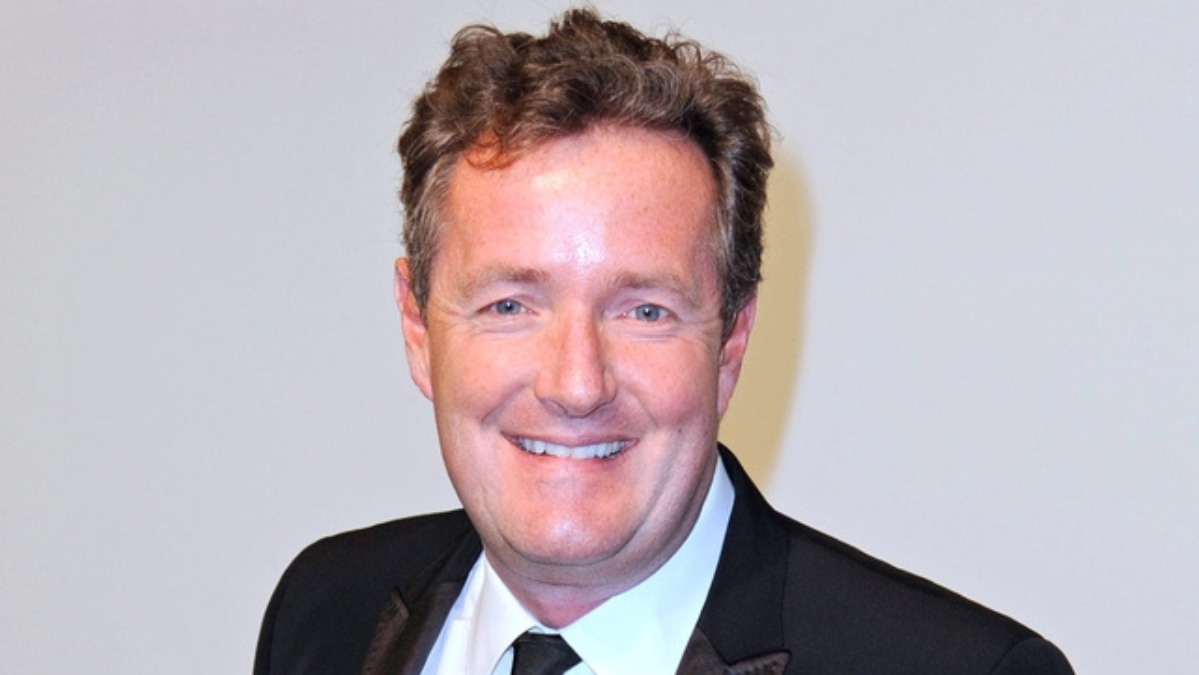
When you scroll through the chaotic, fast-paced universe of social media, few names command attention quite like the pairing of Piers Morgan Twitter. It is a digital intersection where celebrity culture, hard-hitting political commentary, and unapologetic personal opinions collide. To understand the modern landscape of online discourse, one must understand the phenomenon of Morgan’s feed. It isn’t merely a social media account; it is a daily spectacle that draws in millions of followers, critics, and casual observers who are either desperate to agree with him or eager to watch him get into a digital fistfight with a Hollywood actor or a sitting politician.
What makes this particular corner of the internet so magnetic is its refusal to adhere to the typical rules of celebrity engagement. Where most public figures employ a team of publicists to sanitize their posts, Morgan acts as his own editor-in-chief, often posting hot takes that seem designed to provoke a visceral reaction. This approach has turned his profile into a modern-day town square—albeit one where the town crier is armed with a blue checkmark, a television studio, and an apparent immunity to being canceled. For better or worse, the platform has become his ultimate stage, allowing him to bypass traditional media gatekeepers and speak directly to a global audience, ensuring that his name remains at the forefront of cultural conversations year after year.
The Unique Relationship Between Piers Morgan and Twitter
The relationship between the broadcaster and the social media giant is symbiotic yet fraught with tension. Unlike many celebrities who view Twitter as a necessary evil for self-promotion, Morgan treats it as his natural habitat. He has mastered the platform’s inherent mechanics—understanding that outrage drives engagement, that brevity is the soul of wit, and that a well-timed reply to a high-profile detractor can generate headlines across multiple news cycles. This isn’t accidental; it is a calculated performance honed over years of television production. He uses the platform to test narratives, to gauge public sentiment in real-time, and to build a loyal army of supporters who appreciate his refusal to bow to what he perceives as the tyranny of woke orthodoxy.
However, this relationship has also been marked by volatility. Morgan’s tenure on the platform has seen him suspended, criticized, and engaged in some of the most infamous feuds in internet history. Yet, he persists. The platform offers him something that traditional media can no longer provide: unmediated control. When he left Good Morning Britain amid a firestorm of controversy regarding his comments on Meghan Markle, it was his Twitter feed that became the primary source for his rebuttal. He didn’t wait for a press release or a sit-down interview; he posted videos and statements directly to his millions of followers. This ability to control the narrative instantly illustrates why the platform remains his most valuable tool. It is a direct line to his audience, allowing him to bypass editorial oversight and speak in his signature, unfiltered style.
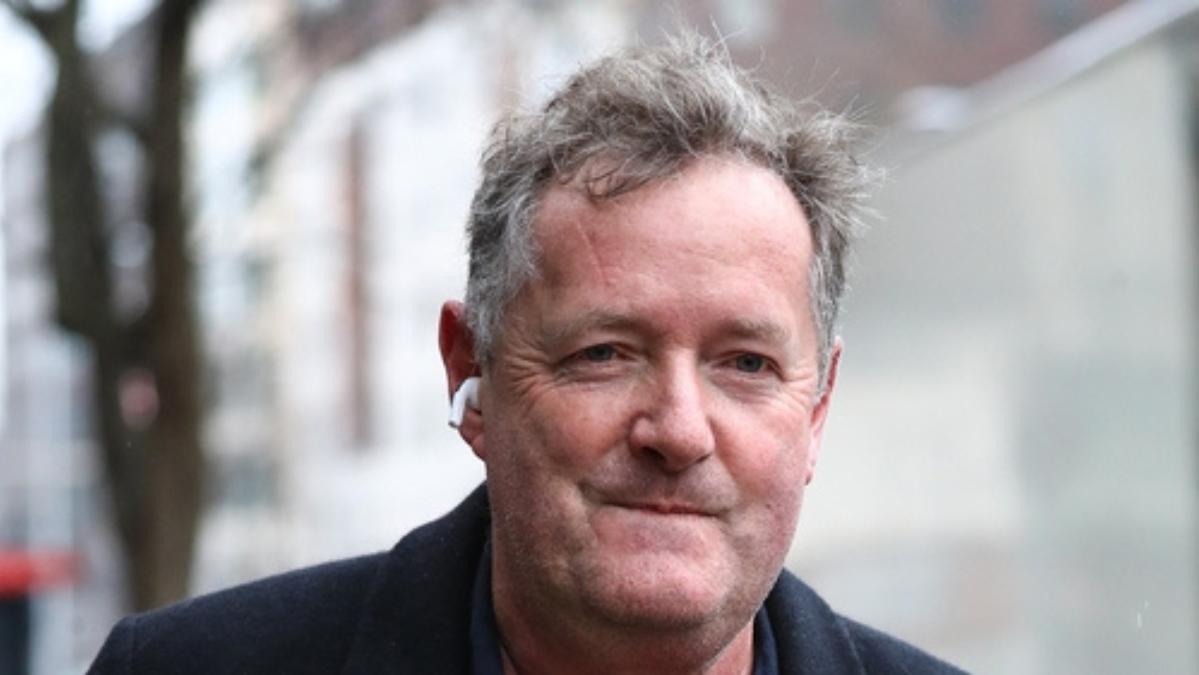
Why Piers Morgan Twitter Dominates the Global News Cycle
There is a distinct reason why journalists and news outlets have a standing order to monitor Morgan’s activity on the platform. He has become a news breaker in his own right, not necessarily because he reports scoops, but because his reactions often become the story. When a major event occurs—whether it’s a political upheaval in the United States, a royal family scandal, or a controversial sports decision—Morgan’s take is often treated as a news beat. News aggregators routinely embed his tweets as representative of the “right-leaning” or “anti-woke” perspective, giving his individual thoughts a reach that rivals that of major news publications. He leverages this influence skillfully, often timing his posts to coincide with primetime television hours to maximize impact.
Moreover, his presence on the platform serves as a recruiting ground for his media ventures. Whether it was his show Piers Morgan Uncensored on YouTube and TalkTV or his current ventures, he uses the platform to tease interviews, release exclusive clips, and drive traffic to his longer-form content. This creates a closed loop of monetization and influence. A controversial tweet leads to a spike in viewership for his show; a viral moment from his show leads to a flurry of tweets. In an era where traditional television ratings are declining, Morgan has successfully used the platform to build a multiplatform empire. He understands that in the digital age, attention is the primary currency, and his Twitter feed is the mint where he coins it.
The Art of Controversy: A Strategic Weapon
If one were to analyze the strategic underpinnings of Morgan’s social media success, it becomes clear that controversy is not an accidental byproduct of his personality but a deliberate instrument. He frequently identifies the “third rail” topics of the day—the subjects that polite society deems too sensitive to discuss—and grabs them firmly. Whether it is his staunch criticism of the Black Lives Matter movement’s leadership, his relentless scrutiny of transgender rights activism, or his very public feud with the Sussexes, Morgan consistently positions himself as a free-speech martyr. He frames his critics as members of a “cancel culture” mob, which only serves to galvanize his base further.
This strategy relies heavily on the platform’s algorithmic bias toward engagement. When Morgan posts something inflammatory, the replies are flooded with a mix of furious condemnation and fervent support. The algorithm interprets this flood of activity as “high-value” content, pushing his tweets to the top of timelines and trending pages, even for users who do not follow him. Consequently, his detractors often become his biggest promoters. Every time a celebrity or journalist attempts to “ratio” him or bury him in quotes, they inadvertently increase his visibility. It is a masterclass in understanding that on social media, there is no such thing as bad publicity, only bad targeting.
Feuds and Fireworks: The Hallmark of His Feed
No discussion of this subject would be complete without acknowledging the legendary digital brawls that have defined Morgan’s tenure on the platform. His long-standing feud with J.K. Rowling is one for the history books, characterized by mutual disdain and periodic flare-ups that delight onlookers. However, it is his public battles with figures like Jeremy Clarkson, the Kardashian family, and various U.S. politicians that truly showcase the chaotic energy of his feed. These aren’t subtle disagreements; they are theatrical performances played out in 280-character bursts, often involving screenshots of direct messages, threats of legal action, and tag-teaming with allies.
What sets Morgan apart in these exchanges is his stamina. While most public figures will issue a statement and then log off to let a scandal blow over, Morgan leans into the fire. He retweets his haters, mocks their spelling, and often turns a one-off insult into a multi-day saga. This approach keeps his followers engaged and provides a steady stream of content that feels urgent and unscripted. In a digital landscape dominated by curated Instagram aesthetics and carefully crafted LinkedIn platitudes, the raw, unfiltered nature of these public spats feels refreshingly human to many—even when it crosses the line into the absurd. It reinforces his brand as the guy who isn’t afraid to fight back, regardless of the status of his opponent.
The Role of Free Speech and Censorship Debates
A recurring theme in the narrative of Morgan’s online presence is his positioning as a warrior for free speech. He frequently rails against what he perceives as the overreach of social media moderation, particularly when his own posts have been flagged or restricted. This stance has, at times, put him at odds with the very platform he uses. Following high-profile incidents where his comments were deemed to violate hate speech policies, Morgan has used the restrictions placed on his account as evidence for his arguments that “Big Tech” has a left-wing bias. This narrative resonates strongly with a segment of the population that feels alienated by the moderation policies of major platforms.
Ironically, this fight for free speech has become a significant driver of his success. When Morgan claims he is being silenced, his audience—and even some of his former critics—rally to his defense. It creates a siege mentality that fosters intense loyalty. He has turned the act of being “canceled” into a business model. By consistently pushing the boundaries of what is acceptable to say on the platform, he ensures that his voice remains the loudest in the room. Whether or not one agrees with his views, the impact of his approach on the broader conversation about content moderation is undeniable. He has become a test case for where the line is drawn between provocative commentary and prohibited conduct.
How He Engages With His Followers
Unlike the typical celebrity who posts and ghosts, Morgan engages directly with his audience. He spends a significant portion of his day scrolling through replies, quote-tweeting fans, and challenging critics to debates. This accessibility creates a unique dynamic where followers feel they have a direct line to a major media personality. For his supporters, receiving a retweet from him is a badge of honor; for his detractors, being blocked by him is often treated as a rite of passage. This high level of engagement humanizes him in a way that television alone cannot. It strips away the barrier of the television screen, making him feel like a neighbor you can argue with over the fence.
This engagement strategy also serves as a form of market research. By interacting directly with the masses, Morgan gets immediate feedback on what stories resonate and which angles fall flat. He adjusts his content in real-time, often pivoting from one topic to another based on the temperature of the replies. This agility is something traditional media outlets, with their lengthy editorial processes, cannot replicate. It makes his feed feel alive, unpredictable, and deeply connected to the zeitgeist. Whether he is asking for opinions on the latest royal news or responding to a viral video, Morgan treats his followers less as an audience and more as participants in a continuous, chaotic conversation.
The Impact on Traditional Media
The influence of Morgan’s digital presence has fundamentally altered how traditional media operates. Television producers, radio hosts, and print journalists now routinely look to his feed to identify what the “story of the day” will be. In many cases, a tweet from Morgan now serves as the catalyst for a segment on a nightly news program. This reversal of influence—where social media dictates the agenda for legacy media—is a testament to the raw power he has cultivated. He has effectively become an assignment editor for his competitors, forcing them to respond to his framing of events rather than the other way around.
Furthermore, his success on the platform has forced media organizations to reconsider their approach to star talent. Networks now crave personalities who come with a built-in social media following, recognizing that a journalist with ten million Twitter followers brings their own distribution network. Morgan’s ability to launch his own independent media ventures was predicated almost entirely on his massive online following. He didn’t need a legacy network to reach an audience; he had already built one on the platform. This shift represents a fundamental change in the media landscape, where the power dynamic between the institution and the individual talent has tilted significantly in favor of those who have mastered the art of the digital mob.
Navigating the Algorithm: A Case Study
To maintain such a dominant presence, one must understand the technical nuances of how the platform operates. Morgan’s posting strategy is a case study in algorithmic optimization. He posts frequently—often dozens of times a day—ensuring that his content is always circulating in the feed. He uses a mix of text-only threads, which encourage high retention rates, and video clips, which benefit from the platform’s preference for visual content. He also leverages the “quote tweet” function relentlessly, using the work of others as a springboard to insert his own opinion, effectively hijacking the engagement of other viral posts for his own gain.
Additionally, he utilizes the “blue checkmark” and the paid verification features to maximize reach. By subscribing to the highest tier of Twitter (X) services, his replies are prioritized, ensuring that when he comments on a popular post, his response sits near the top of the thread. This visibility is invaluable. It means that even if someone is not interested in Morgan, if they are interested in a story he has commented on, they are forced to see his take. This strategic use of platform features—combined with his undeniable knack for creating controversy—ensures that his account remains one of the most visible on the entire website, immune to the natural decay that affects most other high-profile accounts.
The Psychological Appeal for the Audience
From a psychological perspective, following this account offers a specific type of catharsis. In an era where public discourse is often sterile and cautious, Morgan provides a release valve. He says what many people think but are too afraid to articulate in their professional or social circles. For his followers, he acts as a vicarious protagonist, fearlessly taking on institutions, celebrities, and political figures that they feel have wronged the public. The act of liking or retweeting his posts becomes a form of identity signaling, a way for users to align themselves with the values of unapologetic speech and resistance to political correctness.
Conversely, for his detractors, following him provides a different kind of psychological utility. It allows them to focus their frustration on a single, tangible target. The act of arguing with Morgan or mocking his posts can be a source of community building for those who oppose his views. In this sense, his account functions as a unifier for both sides of the political and cultural spectrum—just in opposite ways. He provides a shared cultural reference point that, whether you love him or hate him, you cannot ignore. This duality is the secret to his longevity; as long as people have strong feelings about him, his relevance is assured.
Conclusion
In the grand tapestry of social media history, the phenomenon of Piers Morgan Twitter will be studied as a defining example of how a single personality can harness a platform to amplify influence, disrupt industries, and shape global conversations. It is a space that transcends the traditional boundaries of journalism, entertainment, and activism, blending them into a volatile cocktail that commands attention daily. Whether he is breaking down the latest political crisis, engaging in a petty squabble with a reality TV star, or defending his controversial stances on free speech, Morgan operates with a level of consistency and strategic savvy that few can match.
Ultimately, his presence on the platform highlights the changing nature of fame and authority in the digital age. No longer do public figures require the validation of a network executive or a newspaper editor to reach millions; they simply need a sharp tongue, a thick skin, and an understanding of the algorithm. Love him or despise him, Morgan has mastered this new reality. His feed serves as both a warning and a blueprint for anyone looking to build a personal brand in the twenty-first century. As the platform continues to evolve, one thing remains certain: as long as there is news to discuss and sacred cows to slaughter, he will be there, phone in hand, ready to type.
FAQs
Why is Piers Morgan so active on Twitter compared to other celebrities?
Morgan views Twitter as his primary broadcast medium. Unlike television, where his time is limited by production schedules, the platform offers him unlimited, unmediated access to his audience. He uses it to control his own narrative, test out opinions, and engage directly with both fans and critics in real-time, which he finds more effective and immediate than traditional media appearances.
Has Piers Morgan ever been banned or suspended from Twitter?
Yes, Morgan has faced temporary suspensions and restrictions on his account. Most notably, he faced significant backlash and account limitations following his comments about Meghan Markle after the Oprah interview. He has also had specific tweets removed for violating platform rules regarding hateful conduct. He frequently uses these incidents to argue against what he calls “cancel culture” and the overreach of social media moderation.
Who are some of the most famous people Piers Morgan has feuded with on Twitter?
Morgan’s list of public feuds is extensive. He has engaged in long-running battles with J.K. Rowling, Jeremy Clarkson, the Kardashian family, and numerous American politicians such as Alexandria Ocasio-Cortez. He also has a well-documented and highly publicized conflict with Prince Harry and Meghan Markle, which has fueled countless viral moments on the platform over several years.
How does Piers Morgan’s Twitter activity impact his television ratings?
There is a direct correlation. Morgan uses his feed to tease controversial interviews and release clips that spark outrage or interest, which drives viewers to his television shows and YouTube channels. The engagement he generates on the platform often translates into higher viewership numbers, as his followers tune in to see the full context of the moments that went viral online.
Is Piers Morgan’s controversial Twitter style genuine or a performance for engagement?
This is a subject of much debate. Critics argue it is a calculated performance designed to maximize engagement and revenue. However, those who have worked with him often claim that his social media persona is an extension of his real-life personality. Regardless of the intent, the outcome is the same: it generates massive levels of engagement, making him one of the most influential voices on the platform.