

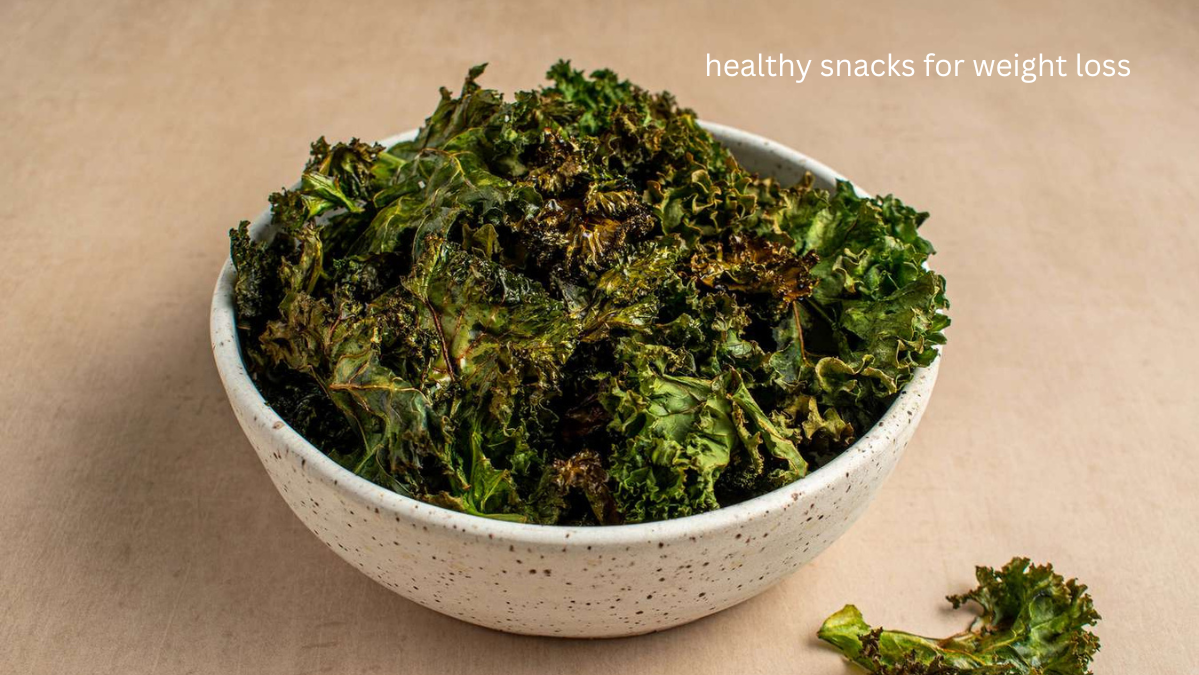
When it comes to managing weight, most people think they need to eat less and feel hungry all the time. That idea is outdated and often leads to burnout, cravings, and inconsistent eating habits. The reality is far more practical: smart snacking can actually support fat loss, improve energy levels, and make your daily diet easier to maintain.
This guide breaks down everything you need to know about building a sustainable snacking routine that works with your body instead of against it. It focuses on balance, nourishment, and long-term consistency rather than restriction or extreme dieting.
Understanding Healthy Snacks for Weight Loss
Healthy eating is not only about main meals. Snacks play a major role in controlling hunger, stabilizing energy, and preventing overeating later in the day. When chosen wisely, snacks can become a powerful tool for maintaining a calorie deficit without feeling deprived.
The concept of healthy snacks for weight loss is built around nutrient density. That means choosing foods that provide vitamins, minerals, protein, and fiber while keeping calories reasonably controlled. Instead of empty calories, these snacks fuel your body and keep you satisfied for longer periods.
Another important aspect is psychological balance. Many people struggle with diets because they eliminate snacks completely. Including structured, healthy snacking habits creates flexibility and reduces the chance of binge eating later.
As nutrition expert Marion Nestle once said, “Food is not just nutrients. Food is information.” This means every snack you choose sends signals to your body about energy balance, metabolism, and hunger regulation.
Why Smart Snacking Matters in Weight Management
Snacking often gets blamed for weight gain, but the real issue is not snacking itself—it’s the type and timing of snacks. Highly processed foods high in sugar and refined carbs can spike blood sugar and lead to increased hunger shortly after eating.
On the other hand, well-planned healthy snacks for weight loss help stabilize blood sugar levels and reduce cravings throughout the day. This stability makes it easier to control portions during main meals and avoid unnecessary calorie intake.
Smart snacking also supports metabolic efficiency. When your body receives consistent, balanced fuel, it avoids the energy crashes that often lead to overeating or poor food choices.
Dr. David Katz, a well-known preventive medicine specialist, once stated, “The best diet is the one you can stick to.” This applies directly to snacking habits. A sustainable approach always beats extreme restriction.
Nutritional Foundations of Smart Snacking
Every effective snack strategy begins with understanding macronutrients: protein, carbohydrates, and fats. Each plays a unique role in appetite control and energy balance.
Protein is especially important because it promotes satiety. Fiber slows digestion and supports gut health, while healthy fats help maintain long-lasting energy levels. A balanced combination of these nutrients creates the ideal structure for healthy snacks for weight loss.
Micronutrients also matter. Vitamins and minerals support metabolism, hormonal balance, and overall well-being. Snacks like fruits, vegetables, nuts, and dairy alternatives offer these essential nutrients naturally.
The goal is not perfection but consistency. A snack that contains even two of the three macronutrients is often enough to keep hunger under control until the next meal.
Best Whole Food Options for Daily Energy
Whole foods are the foundation of any sustainable eating pattern. They are minimally processed, naturally nutrient-rich, and easier for the body to digest efficiently.
Fruits like apples, berries, and oranges provide natural sweetness along with fiber and antioxidants. Vegetables such as carrots, cucumbers, and bell peppers add crunch and hydration with very low calorie density.
Nuts and seeds offer healthy fats and protein, making them excellent options when consumed in controlled portions. These foods are often included in healthy snacks for weight loss because they provide satisfaction without excessive calories.
Whole food snacking also reduces exposure to artificial additives and preservatives that can sometimes trigger cravings or disrupt appetite regulation.
Protein-Rich Snack Choices That Keep You Full
Protein is one of the most powerful nutrients for appetite control. It reduces hunger hormones and increases satiety hormones, making it easier to stay full for longer periods.
Greek yogurt, boiled eggs, cottage cheese, and lean poultry slices are excellent examples of protein-rich snacks. These options support muscle maintenance and help stabilize energy throughout the day.
To better understand how protein snacks compare, consider the following breakdown:
| Snack Option | Protein Content | Calories | Satiety Level |
|---|---|---|---|
| Greek Yogurt | High | Medium | Very High |
| Boiled Eggs | High | Low | High |
| Cottage Cheese | High | Medium | Very High |
| Almonds (small portion) | Medium | Medium | High |
| Turkey Slices | High | Low | Very High |
This type of structure makes it easier to choose healthy snacks for weight loss that align with your daily calorie needs without sacrificing fullness or satisfaction.
As fitness nutritionist Alan Aragon often says, “Protein is the most effective macronutrient for controlling appetite and preserving lean body mass.”
Fiber-Packed Snacks for Better Digestion
Fiber plays a crucial role in digestion and weight management. It slows down the absorption of sugar, supports gut health, and helps regulate bowel movements.
Foods like chia seeds, oats, fruits with skin, and raw vegetables are naturally rich in fiber. These snacks create a feeling of fullness that lasts longer than low-fiber alternatives.
Incorporating fiber-rich healthy snacks for weight loss into your routine can significantly reduce unnecessary cravings. Fiber also supports beneficial gut bacteria, which play a surprising role in metabolism and overall health.
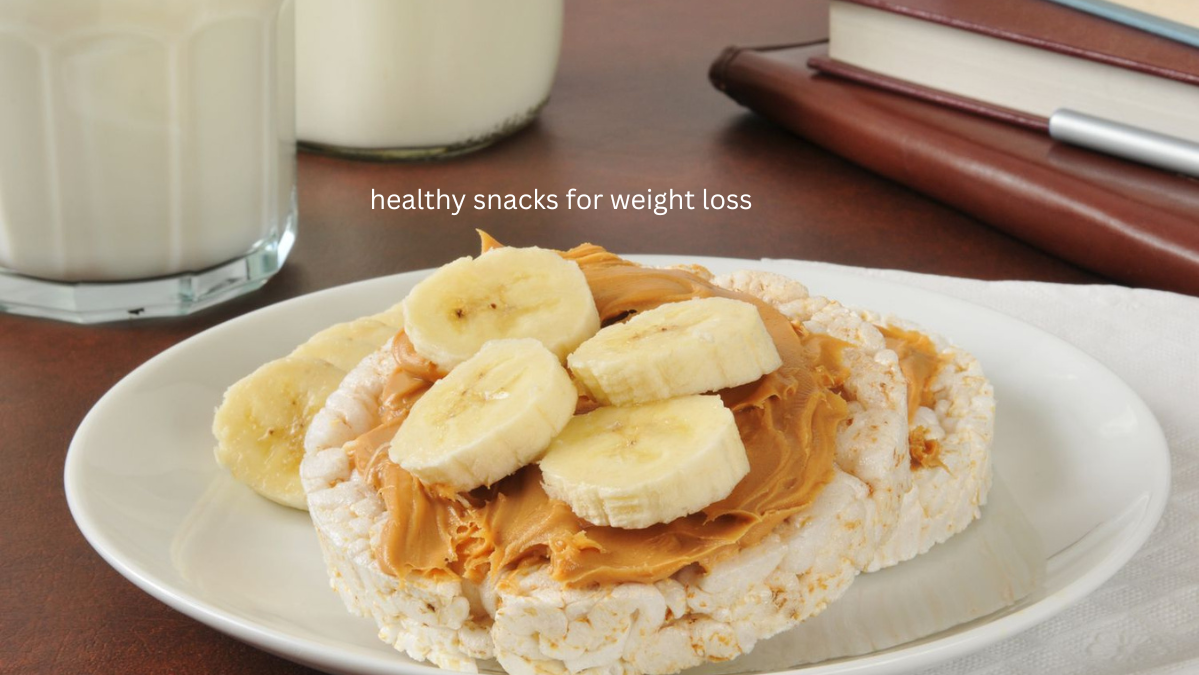
A simple bowl of berries or an apple with peanut butter can be both satisfying and nutritionally powerful without overloading calories.
Low-Calorie Sweet Snacks for Cravings
Cravings for sweets are completely natural. The key is managing them without falling into high-sugar traps that lead to energy crashes.
Fresh fruit, yogurt with honey, and dark chocolate in moderation are excellent ways to satisfy sweet cravings while staying aligned with healthy snacks for weight loss principles.
The psychological aspect is equally important. When people feel deprived, they are more likely to overconsume later. Allowing controlled sweetness helps maintain balance and reduces the feeling of restriction.
Nutritionist Rachael Hartley once noted, “All foods fit when there is balance, awareness, and intention behind eating.” This idea is especially relevant when managing sweet cravings.
Hydration and Snacking Connection
Hydration often gets overlooked in weight management discussions, but it directly impacts hunger signals. Many people confuse thirst with hunger, leading to unnecessary snacking.
Drinking water before reaching for food can help distinguish true hunger from dehydration. Herbal teas, infused water, and low-calorie beverages also support hydration without adding unnecessary calories.
Some healthy snacks for weight loss naturally contain high water content, such as cucumbers, watermelon, and celery. These foods provide volume with minimal calories, helping control appetite effectively.
Proper hydration also improves digestion and energy levels, making it easier to maintain consistent eating habits throughout the day.
Timing and Portion Control Strategies
When and how much you eat can be just as important as what you eat. Structured snacking helps prevent random grazing, which often leads to excess calorie intake.
Eating snacks between meals can stabilize energy levels and prevent overeating during lunch or dinner. However, portion control remains essential to ensure calorie balance.
A mindful approach to healthy snacks for weight loss involves paying attention to hunger signals rather than emotional triggers. Eating slowly and intentionally allows the body to recognize fullness more effectively.
Consistency in timing also helps regulate metabolism and reduces the likelihood of late-night snacking.
Common Mistakes in Snacking Habits
One of the biggest mistakes people make is choosing snacks based on convenience rather than nutrition. Packaged foods often contain hidden sugars, unhealthy fats, and excess calories.
Another common issue is mindless eating. Snacking while distracted can lead to overconsumption without awareness of portion size or hunger levels.
Even when choosing healthy snacks for weight loss, portion distortion can become a problem if not monitored carefully. Nuts, for example, are nutritious but calorie-dense.
Understanding these mistakes helps create better awareness and encourages more intentional eating habits over time.
Practical Snack Ideas for Busy Lifestyle
Modern lifestyles often demand quick and convenient food options. Preparing in advance can make healthy eating much easier during busy schedules.
Simple combinations like fruit with nut butter, yogurt with seeds, or vegetables with hummus can be prepared quickly and stored easily.
These options fit perfectly into the concept of healthy snacks for weight loss because they require minimal preparation while delivering strong nutritional value.
As author Michael Pollan once wrote, “Eat food. Not too much. Mostly plants.” This simple philosophy fits perfectly into practical snacking strategies.
Building a Sustainable Snack Routine
Long-term success in weight management comes from consistency rather than perfection. A sustainable routine allows flexibility while maintaining structure.
Planning snacks ahead of time reduces impulsive eating and ensures better nutritional balance throughout the day. It also helps create a predictable rhythm for hunger and energy levels.
Incorporating healthy snacks for weight loss into daily habits becomes easier when choices are simple, accessible, and enjoyable.
Over time, these small decisions build a strong foundation for overall health, better energy, and improved weight control without extreme dieting.
Conclusion
Healthy snacking is not about restriction or avoiding food between meals. It is about making intentional choices that support your body’s needs while maintaining energy balance and satisfaction.
When approached correctly, snacks become a powerful ally in weight management rather than an obstacle. The key lies in nutrient density, portion awareness, and consistency.
By focusing on whole foods, balanced nutrients, and mindful eating habits, anyone can build a sustainable approach to eating that supports long-term health and well-being.
Frequently Asked Questions
What are the best options for healthy snacks for weight loss?
The best options include protein-rich foods like yogurt and eggs, fiber-rich fruits and vegetables, and small portions of nuts or seeds. These help control hunger and maintain energy balance throughout the day.
Can snacking really help with weight loss?
Yes, when done correctly. Structured snacking prevents overeating at meals and helps regulate blood sugar levels, making it easier to maintain a calorie deficit without feeling deprived.
How often should snacks be eaten during the day?
Most people benefit from one or two snacks between meals depending on activity level and hunger. The key is to ensure snacks are planned and nutrient-dense rather than random or emotional.
Are fruits considered good healthy snacks for weight loss?
Yes, fruits are excellent because they are naturally low in calories, high in fiber, and rich in vitamins. They help satisfy sweet cravings in a healthy way.
What mistakes should be avoided when choosing snacks?
Avoid highly processed foods, oversized portions, and mindless eating. Even healthy foods can lead to excess calorie intake if portion control is not maintained.