

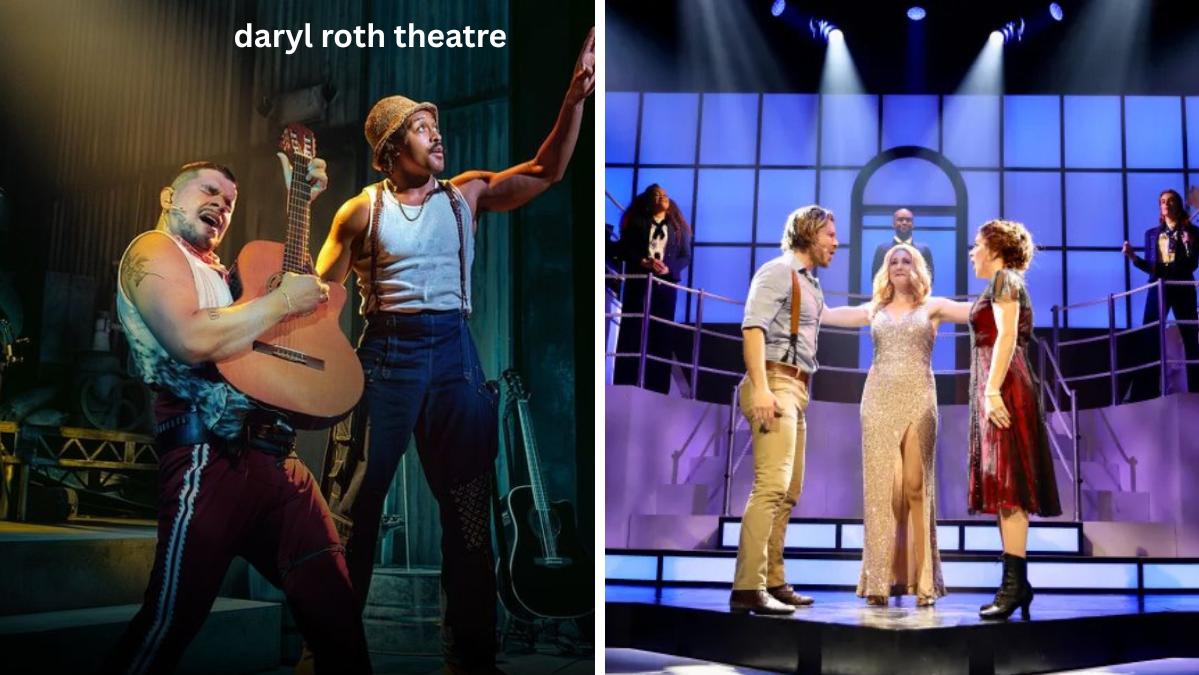
The Daryl Roth Theatre stands as one of New York City’s most distinctive performance spaces, blending rich history with contemporary artistic innovation. Located in the heart of Manhattan’s Union Square neighborhood, this remarkable venue has earned a reputation for hosting groundbreaking productions, immersive experiences, and memorable theatrical events that attract audiences from around the world.
Unlike many traditional Broadway houses, the theater offers a unique atmosphere that combines historic architecture with modern performance capabilities. Over the years, it has become a destination for theater enthusiasts seeking productions that push creative boundaries while maintaining high artistic standards. Its transformation from a historic religious building into a vibrant cultural venue reflcts the dynamic nature of New York City’s performing arts scene.
The venue’s reputation has grown significantly through its association with acclaimed producer Daryl Roth, whose commitment to supporting innovative theater has helped establish the space as a respected institution in the entertainment industry. Today, visitors recognize it as a place where artistic ambition and architectural beauty come together to create unforgettable experiences.
The Fascinating History Behind the Venue
The building that houses the theater has a history stretching back more than a century. Originally constructed as the Union Square Savings Bank and later serving as a church, the structure has witnessed countless changes in New York City’s landscape. Its architectural significance alone makes it a notable landmark in the area.
When the property was transformed into a performance venue, great care was taken to preserve many of its original features. This approach allowed the building to retain its historical character while adapting to the technical demands of modern theatrical productions. Visitors often remark on the impressive combination of old-world craftsmanship and contemporary functionality.
The conversion into a theater marked a significant chapter in the building’s story. Rather than allowing a historic structure to fade into obscurity, its transformation gave it a renewed purpose as a center for creativity and artistic expression. This preservation effort has helped ensure that future generations can continue to appreciate both its history and cultural value.
As New York’s theater industry evolved, the venue established itself as an important alternative to traditional Broadway houses. Its unique design and flexible layout made it particularly attractive to producers looking to create intimate and immersive audience experiences.
Architectural Features That Set It Apart
One of the most striking aspects of the Daryl Roth Theatre is its architecture. The building’s exterior immediately captures attention with its historic design elements, while the interior offers an atmosphere unlike any other theatrical venue in the city.
High ceilings, ornate details, and expansive spaces contribute to the theater’s distinctive character. These features create a sense of grandeur that enhances the audience experience before a performance even begins. The architecture serves as more than a backdrop; it becomes part of the storytelling process.
The venue’s adaptable design allows producers to experiment with staging concepts that might be difficult to achieve elsewhere. Different productions have utilized the space in creative ways, transforming seating arrangements and performance areas to suit specific artistic visions.
Many visitors compare the experience to stepping into a living piece of New York history. The preserved architectural elements provide a tangible connection to the city’s past while supporting innovative contemporary performances. This balance between heritage and progress remains one of the theater’s greatest strengths.
Quick Facts About the Theater
| Feature | Details |
|---|---|
| Location | Union Square, Manhattan, New York City |
| Type | Off-Broadway Performance Venue |
| Notable For | Immersive and innovative productions |
| Historic Origins | Former bank and church building |
| Architectural Style | Historic landmark architecture |
| Seating Configuration | Flexible depending on production |
| Primary Use | Theater, events, performances |
| Cultural Significance | Major contributor to NYC arts scene |
The Vision of Daryl Roth
The success of the venue is closely tied to the vision of producer Daryl Roth. Her influence on American theater has been profound, with numerous acclaimed productions earning critical praise and industry recognition.
Roth has long championed stories that challenge audiences, inspire conversation, and expand the possibilities of live performance. Her dedication to supporting diverse voices and innovative works has shaped the identity of the theater bearing her name.
One quote frequently associated with successful theatrical producing is: “The best theater leaves audiences thinking long after the curtain falls.” This philosophy reflects the type of productions often presented within the venue’s walls.
Under her leadership and influence, the theater has become known for taking artistic risks. Rather than relying solely on conventional programming, it regularly embraces productions that offer fresh perspectives and unique theatrical experiences.
The venue’s reputation for quality programming has helped attract talented actors, directors, writers, and designers. This creative ecosystem continues to contribute to its status as a respected institution in New York’s performing arts community.
Memorable Productions and Performances
Throughout its history, the theater has hosted a wide variety of productions ranging from dramatic plays and musicals to immersive experiences and experimental works. These productions have showcased the versatility of the venue and its ability to accommodate different artistic approaches.
Several critically acclaimed performances have enjoyed successful runs within the space. Audiences have praised the intimate atmosphere, which allows them to feel closely connected to performers and narratives. This sense of proximity often enhances emotional engagement and creates memorable theatrical moments.
Immersive productions have become particularly associated with the venue. Rather than sitting passively, audience members may find themselves moving through different spaces or interacting with elements of the performance environment. Such experiences help distinguish the theater from more traditional venues.
The diversity of programming has also contributed to its broad appeal. Whether visitors prefer classic storytelling, contemporary drama, innovative musicals, or experimental performance art, they often discover something unique and compelling on the theater’s schedule.
As one theater critic famously observed, “A great venue doesn’t simply host performances—it becomes part of them.” This statement accurately captures the role the theater has played in many successful productions.
Why Audiences Love the Experience
Audience members frequently describe performances at the theater as more personal and immersive than those found in larger venues. The building’s layout encourages a closer connection between performers and viewers, creating an atmosphere that feels both intimate and engaging.
Many visitors appreciate the sense of discovery that comes with attending a performance there. Because the venue often hosts innovative productions, audiences can expect experiences that differ from conventional theater-going traditions. This element of surprise adds excitement to every visit.
The location in Union Square also enhances the overall experience. Surrounded by restaurants, shops, and cultural attractions, the area provides plenty of opportunities to extend an evening of entertainment into a full day of exploration.
Comfort and accessibility have also contributed to the venue’s popularity. Modern amenities combined with historic charm create an environment that feels welcoming while preserving the building’s unique character.
Repeat visitors often note that no two productions feel exactly alike. The flexibility of the space allows creative teams to reinvent the venue repeatedly, ensuring fresh experiences for returning audiences.
The Role of the Theater in New York’s Cultural Landscape
New York City is home to some of the world’s most famous performance venues, yet the Daryl Roth Theatre occupies a unique position within this competitive environment. Its commitment to artistic innovation has allowed it to carve out a distinct identity separate from traditional Broadway institutions.
The theater contributes significantly to the city’s cultural diversity by supporting productions that might not fit conventional commercial models. This willingness to embrace creative experimentation strengthens New York’s reputation as a global center for the arts.
Emerging artists have also benefited from opportunities associated with the venue. By providing a platform for new voices and unconventional ideas, it helps foster the next generation of theatrical talent. Many successful careers have been influenced by productions staged within its walls.
The economic impact should not be overlooked either. Performances attract visitors who contribute to local businesses, restaurants, hotels, and tourism-related industries. This relationship demonstrates how cultural institutions can support broader community development.
As the performing arts continue evolving, the venue remains an important example of how historic spaces can adapt to contemporary creative needs while preserving their cultural significance.
Events Beyond Traditional Theater
Although best known for live theatrical performances, the venue has hosted a variety of events extending beyond conventional stage productions. These include special presentations, corporate gatherings, artistic showcases, and cultural celebrations.
Its distinctive architecture makes it an attractive location for private events and unique experiences. Organizers often choose the space because it offers an atmosphere that cannot be replicated in standard event venues.
The flexibility of the building allows for creative event design. Different areas can be adapted to suit specific requirements, whether hosting intimate gatherings or larger public functions. This versatility contributes to the venue’s continued relevance in a rapidly changing entertainment landscape.
Special events frequently draw attendees who may not regularly visit theaters, introducing new audiences to the space and broadening its cultural reach. These activities help strengthen the venue’s connection to the wider community.
The Future of the Venue
The future appears bright for this historic performance space. As audience expectations evolve and new forms of storytelling emerge, the theater is well positioned to continue serving as a hub for innovation and artistic exploration.
Technological advancements are likely to influence future productions, enabling even more immersive and interactive experiences. The venue’s adaptable design provides a strong foundation for incorporating these developments while preserving its historic character.
Industry trends suggest increasing interest in experiential entertainment, an area where the theater has already demonstrated considerable expertise. This alignment with audience preferences may help ensure its continued success in the years ahead.
At the same time, preserving the building’s architectural heritage remains an important priority. Maintaining this balance between innovation and preservation will be essential for sustaining the venue’s unique identity.
The ongoing support of artists, producers, audiences, and cultural organizations will continue shaping its evolution. Through collaboration and creativity, the theater is likely to remain a significant force within New York’s performing arts scene for many years to come.
Conclusion
The Daryl Roth Theatre represents far more than a performance venue. It is a living example of how historic architecture, artistic vision, and cultural innovation can come together to create something truly special. From its fascinating history and distinctive design to its groundbreaking productions and community impact, the theater occupies a unique place in New York City’s cultural landscape.
Its ability to embrace new ideas while honoring its past has allowed it to remain relevant in an ever-changing entertainment world. Whether hosting immersive performances, supporting emerging artists, or preserving an architectural treasure, the venue continues to inspire audiences and contribute meaningfully to the arts.
For theater lovers, history enthusiasts, and visitors seeking memorable cultural experiences, the Daryl Roth Theatre remains one of New York City’s most compelling destinations.
FAQs
What is the Daryl Roth Theatre known for?
The theater is known for its innovative productions, immersive experiences, and unique historic setting in Manhattan’s Union Square area. It often hosts performances that push creative boundaries while maintaining high artistic standards.
Where is the Daryl Roth Theatre located?
The venue is located in the Union Square neighborhood of Manhattan, New York City. Its central location makes it easily accessible and close to many restaurants, shops, and cultural attractions.
Is the building historically significant?
Yes, the structure has a rich history and originally served different purposes before becoming a performance venue. Many historic architectural features have been preserved, contributing to its distinctive character.
What types of productions are performed there?
The venue hosts a wide range of productions, including plays, musicals, immersive theater experiences, experimental works, and special cultural events. Its flexible design supports many different performance styles.
Who is Daryl Roth?
Daryl Roth is a highly respected theatrical producer known for supporting innovative and influential productions. Her contributions to American theater have earned widespread recognition throughout the entertainment industry.
Why do audiences enjoy visiting the theater?
Visitors appreciate the intimate atmosphere, creative programming, historic architecture, and immersive experiences often associated with performances at the venue. These elements combine to create memorable theatrical experiences.
Does the theater only host stage productions?
No. In addition to theatrical performances, the venue also hosts private events, cultural gatherings, artistic showcases, and other special presentations, demonstrating its versatility as a creative space.
Read also: Jordan Roth Net Worth: Inside the Wealth, Career, and Influence of a Broadway Visionary