

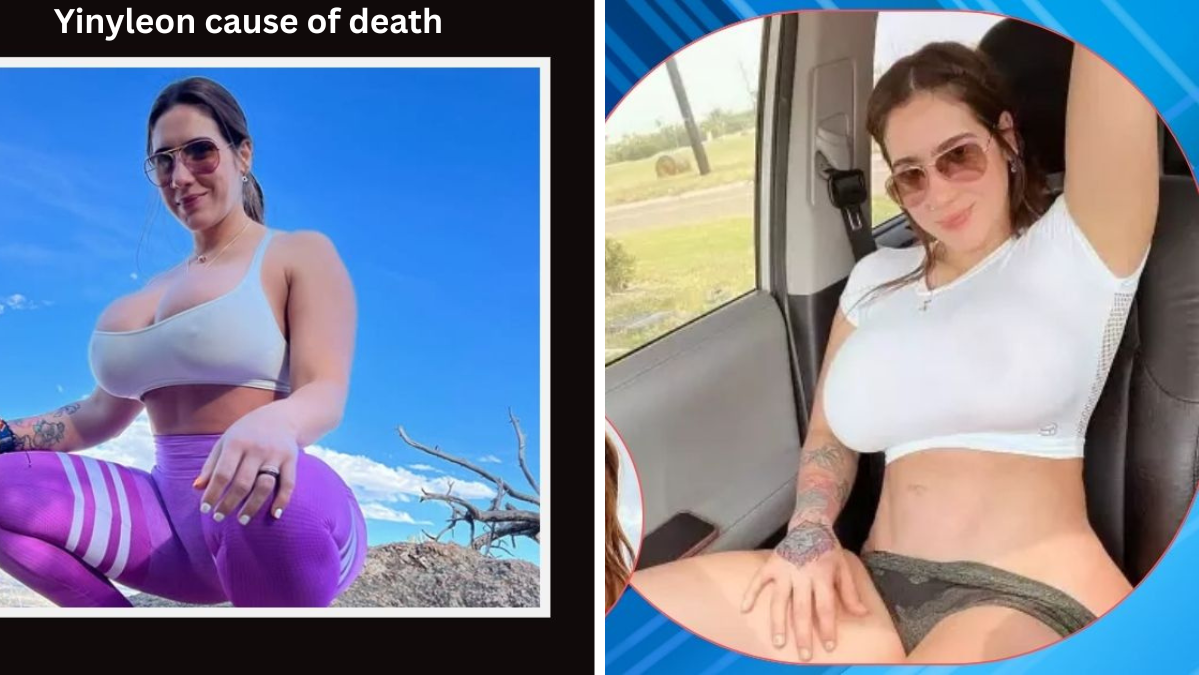
The phrase yinyleon cause of death has become a widely searched topic across the internet as fans and followers attempt to understand what happened to the popular online personality. Whenever a well-known figure suddenly disappears from public activity or becomes the subject of rumors, curiosity grows rapidly. Unfortunately, the internet often amplifies speculation faster than verified information can emerge.
Yinyleon gained attention through her online presence and built a substantial audience over the years. As searches related to her health, well-being, and alleged passing increased, many websites began publishing articles that mixed facts with assumptions. This created confusion among readers looking for reliable information.
Understanding the discussion surrounding her reported death requires separating confirmed details from internet rumors. It also involves examining how social media reacts to celebrity news, how misinformation spreads, and why audiences become emotionally invested in the lives of public figures.
Many people searching for information want clear answers. However, when publicly available evidence is limited, responsible reporting becomes essential. Rather than relying on speculation, it is important to focus on verified information and credible sources whenever discussing sensitive topics involving someone’s life or death.
Who Was Yinyleon and Why She Became Popular
Yinyleon became known online through her content creation work and developed a loyal fan base that followed her across various digital platforms. Her popularity stemmed from a combination of charisma, confidence, and a strong online identity that resonated with many viewers.
As social media platforms expanded, creators like Yinyleon were able to build communities that extended far beyond traditional entertainment channels. Fans often felt a personal connection to her content, which contributed significantly to her growing recognition.
One reason for her popularity was consistency. Successful online personalities frequently maintain engagement with followers through regular content updates, interactions, and community participation. This ongoing connection can create a sense of familiarity between creators and audiences.
Her influence also reflected broader trends in digital culture. The internet has transformed ordinary individuals into global personalities capable of reaching millions of people. Yinyleon became part of that evolution, attracting attention from both supporters and critics.
The emotional investment many fans had in her career helps explain why discussions about her personal life gained so much attention. When audiences spend years following a creator, they naturally become concerned when unexpected news begins circulating.
The Growing Interest in Yinyleon Cause of Death
Interest in yinyleon cause of death increased dramatically as online discussions began spreading across forums, social media platforms, blogs, and video-sharing websites. People searched for answers, hoping to find accurate information regarding reports connected to her name.
The rise of internet speculation often follows a familiar pattern. Someone posts an unverified claim, others repeat it, and eventually the story gains enough visibility that many people assume it must be true. This cycle can occur regardless of whether substantial evidence exists.
Search engine trends frequently reveal how quickly public curiosity grows during such situations. A sudden increase in searches related to a person’s death often reflects uncertainty rather than confirmed facts. Users seek information because they cannot determine what is true and what is false.
Another factor contributing to interest is the emotional nature of death-related news. Audiences react strongly to stories involving individuals they admire or follow closely. Even rumors can trigger widespread concern and encourage people to investigate further.
This phenomenon highlights the importance of responsible information consumption. Readers should evaluate sources carefully, especially when dealing with sensitive subjects involving health, tragedy, or personal loss.
Understanding the Difference Between Facts and Rumors
One of the most important aspects of discussing any reported death is distinguishing verified information from speculation. In the digital age, misinformation can spread globally within minutes.
Rumors often originate from anonymous posts, edited screenshots, misleading headlines, or misunderstood statements. Once these claims gain momentum, they can become difficult to correct, even when evidence contradicts them.
The challenge becomes greater when a public figure maintains limited communication with followers. In the absence of official updates, people may attempt to fill information gaps with assumptions. Unfortunately, assumptions frequently evolve into perceived facts despite lacking verification.
Media literacy plays a critical role in these situations. Consumers should consider questions such as:
| Information Type | Reliability Level | Examples |
|---|---|---|
| Official Statement | Very High | Family announcements, verified representatives |
| Established News Sources | High | Reputable journalism organizations |
| Verified Social Media Accounts | Moderate to High | Confirmed public accounts |
| Blogs Without Sources | Low | Unsourced articles |
| Anonymous Posts | Very Low | Forum rumors and speculation |
Understanding these distinctions helps readers make informed decisions about the credibility of information they encounter online.
Public Reactions and Online Conversations
Whenever news involving a popular online personality emerges, public reactions vary considerably. Some fans express grief, others seek confirmation, while many wait for official statements before forming conclusions.
The discussion surrounding yinyleon cause of death illustrates how online communities process uncertainty. Social media platforms became spaces where people shared memories, discussed rumors, and searched for answers together.
In many cases, communities develop collective narratives before complete information becomes available. These narratives may contain elements of truth, but they can also incorporate inaccuracies that become increasingly difficult to separate from reality.
Online discussions often reveal the emotional connections audiences form with creators. Followers may feel genuine sadness even if they never met the individual personally. This reaction reflects the evolving nature of digital relationships.
As one media researcher famously observed:
“The internet creates communities built on shared attention, and those communities experience loss collectively.”
This observation helps explain why discussions surrounding public figures frequently become widespread and emotionally charged.
How Social Media Influences Death Rumors
Social media platforms have fundamentally changed the way information spreads. News that once took hours or days to circulate can now reach millions of people within minutes.
Algorithms prioritize engagement, and emotionally charged content often generates significant attention. As a result, posts discussing alleged deaths can spread rapidly regardless of accuracy.
The conversation surrounding yinyleon cause of death demonstrates this dynamic clearly. Curiosity encouraged sharing, sharing increased visibility, and visibility generated even more discussion.
A major challenge is that corrections rarely travel as far as original rumors. Once a story gains traction, many users continue believing it even after contradictory evidence appears.
Social media users therefore benefit from adopting a cautious approach. Verifying information before sharing it can help reduce the spread of misinformation and protect individuals from unnecessary harm.
Responsible engagement is especially important when discussing sensitive topics involving real people and their families.
The Emotional Impact of Celebrity Death Speculation
Speculation about someone’s death can have significant emotional consequences for fans, friends, relatives, and the individual involved if reports prove inaccurate.
Followers often experience anxiety when conflicting information circulates online. The absence of reliable updates can create uncertainty and encourage further speculation.
For families and close associates, widespread rumors can be particularly distressing. They may find themselves responding to public claims while simultaneously coping with private challenges.
The emotional impact extends beyond immediate circles. Online communities built around content creators frequently develop strong social bonds. Members support one another, share experiences, and participate in ongoing discussions that create a sense of belonging.
When rumors emerge, these communities often experience collective confusion. Members search for trustworthy information while attempting to process their emotional reactions.
This highlights the need for empathy during periods of uncertainty. Respectful discussion should always take priority over sensationalism.
Why Accurate Information Matters
Accuracy becomes especially important when discussing subjects related to death. Incorrect reporting can cause emotional harm, damage reputations, and create confusion among audiences.
The internet provides unprecedented access to information, but access alone does not guarantee reliability. Readers must evaluate sources critically and avoid accepting claims solely because they appear frequently.
Many experts emphasize the importance of confirmation before publication. Journalistic standards typically require verification through multiple credible sources before reporting a death.
This principle exists for good reason. History contains numerous examples of public figures incorrectly reported as deceased due to misunderstandings, hoaxes, or deliberate misinformation.
The widespread interest in yinyleon cause of death demonstrates how quickly rumors can become major search topics. It also underscores the responsibility shared by content creators, publishers, and readers.
A respected journalism principle states:
“Being first is valuable, but being accurate is essential.”
That philosophy remains highly relevant in today’s digital environment.
Digital Fame and Public Curiosity
The rise of digital media has transformed public curiosity into a powerful force. Audiences now expect immediate access to information about the personalities they follow.
Content creators occupy a unique position. They often share aspects of their lives publicly while maintaining privacy regarding other areas. This balance can become difficult during periods of uncertainty or controversy.
When communication decreases unexpectedly, audiences naturally wonder what happened. Search trends often reflect that curiosity, generating increased interest in personal details that may previously have attracted little attention.
The case of Yinyleon highlights how digital fame differs from traditional celebrity culture. Online creators frequently cultivate direct relationships with followers through comments, livestreams, and social media interactions.
These interactions strengthen audience connections, making personal developments feel more significant to supporters.
Consequently, rumors involving well-known creators often attract intense public attention regardless of whether confirmed information exists.
Examining Online Search Trends
Search trends provide valuable insight into public behavior during periods of uncertainty. When large numbers of people search for the same phrase, it often reflects collective curiosity rather than established facts.
The popularity of searches related to yinyleon cause of death illustrates how online audiences respond to rumors. Increased search volume typically indicates demand for information rather than confirmation of claims.
Researchers studying internet behavior have noted that searches frequently spike when:
- Unexpected rumors emerge
- Social media discussions intensify
- Public appearances become less frequent
- Contradictory reports circulate
- Major influencers comment on a topic
Understanding these patterns helps explain why certain topics dominate online conversations.
Search activity alone should never be interpreted as evidence supporting a claim. Instead, it serves as an indicator of public interest.
Responsible readers recognize the distinction between popularity and accuracy.
The Role of Online Communities
Online communities play a central role in shaping discussions surrounding public figures. These communities can provide support, share information, and preserve memories.
In situations involving uncertainty, community members often work collectively to identify reliable sources and verify claims. This collaborative effort can help counter misinformation.
However, communities can also unintentionally contribute to rumor amplification. Repeated discussions may increase visibility even when participants express skepticism.
The balance between curiosity and responsibility remains important. Healthy communities encourage evidence-based conversations while discouraging unfounded speculation.
Many long-time followers of online creators understand this responsibility. They recognize that public figures deserve privacy and respect, particularly during sensitive situations.
The discussions surrounding Yinyleon reveal both the strengths and challenges of digital communities in the modern information landscape.
Legacy, Influence, and Public Memory
Regardless of rumors or speculation, discussions about public figures often evolve into broader reflections on their influence and legacy.
People remember creators for different reasons. Some appreciate entertainment value, others admire personality traits, and many simply enjoy being part of a shared community.
Yinyleon’s online presence left an impression on numerous followers who engaged with her content over time. These interactions contributed to a digital legacy that continues generating interest.
Legacy extends beyond metrics such as views, likes, or follower counts. It includes the memories, conversations, and experiences audiences associate with a creator’s work.
Public memory can be powerful. Years after a creator stops producing content, discussions often continue because audiences remain interested in their story.
This ongoing interest partly explains why topics related to her life and reported death continue attracting attention.
Media Responsibility in Sensitive Stories
Media organizations face significant challenges when reporting on sensitive topics. Speed, accuracy, audience expectations, and ethical considerations must all be balanced carefully.
Responsible reporting requires verification, transparency, and caution. Journalists should clearly distinguish confirmed facts from speculation.
Sensational headlines may attract clicks, but they can also mislead readers. Ethical reporting prioritizes truth over engagement metrics.
The discussion surrounding yinyleon cause of death serves as a reminder of these responsibilities. Audiences deserve accurate information rather than exaggerated narratives designed solely to generate traffic.
Readers also share responsibility. Consuming information critically and avoiding the spread of unverified claims helps create a healthier digital environment.
The combination of responsible reporting and informed readership remains one of the most effective defenses against misinformation.
The Continuing Search for Answers
Many individuals continue searching for information because uncertainty naturally encourages curiosity. People want clarity, particularly when stories involve well-known public figures.
Yet not every question receives an immediate answer. In some cases, verified information remains limited or unavailable. When this occurs, patience becomes important.
Speculation may feel satisfying in the short term, but it rarely produces reliable conclusions. Waiting for confirmation from credible sources remains the most responsible approach.
The ongoing interest in yinyleon cause of death demonstrates how digital audiences respond when information gaps exist. Search engines, social platforms, and online communities become tools through which people attempt to find clarity.
Ultimately, accuracy matters more than speed. Reliable information provides understanding, while rumors often create additional confusion.
Conclusion
The topic of yinyleon cause of death continues to attract widespread attention because it combines public curiosity, internet culture, and the emotional connections audiences form with online personalities. While many rumors and claims have circulated across digital platforms, the most important principle remains the same: verified information should always take precedence over speculation.
The modern internet allows news, theories, and assumptions to spread rapidly. As a result, distinguishing fact from rumor has become more important than ever. Readers should approach sensitive topics with caution, seek trustworthy sources, and avoid contributing to the spread of misinformation.
Yinyleon’s popularity ensured that discussions about her life would continue long after initial rumors emerged. Whether people are longtime followers or simply curious readers, respecting accuracy, privacy, and responsible reporting remains essential.
By focusing on evidence rather than assumptions, audiences can engage with sensitive topics thoughtfully while honoring the principles of truth and respect.
FAQ
What is the most commonly searched topic related to Yinyleon?
One of the most searched phrases online is yinyleon cause of death because many internet users want to understand the rumors and discussions surrounding her reported passing. Search popularity reflects public curiosity rather than confirmation of specific claims.
Why did rumors about Yinyleon’s death spread online?
Rumors spread quickly because social media platforms allow information to travel rapidly. Unverified posts, discussions, and repeated sharing often contribute to the growth of speculation before official information becomes available.
Is there verified information available regarding Yinyleon’s death?
Readers should rely on credible sources and verified statements when evaluating any reports. Information circulating on anonymous forums or unsupported blogs should be treated with caution until confirmed by trustworthy sources.
Why are people still searching for yinyleon cause of death?
People continue searching because uncertainty often generates ongoing curiosity. Fans, followers, and casual readers want accurate information and seek clarification regarding conflicting reports found online.
How can readers identify reliable information online?
Reliable information usually comes from established news organizations, verified public accounts, official statements, and sources that provide evidence for their claims. Readers should compare multiple trustworthy sources before accepting information as factual.
What lessons can be learned from online death rumors?
Online death rumors demonstrate the importance of media literacy, critical thinking, and responsible sharing. Verifying information before spreading it helps reduce misinformation and protects individuals and families from unnecessary distress.
Why is responsible reporting important in discussions about yinyleon cause of death?
Responsible reporting ensures that audiences receive accurate information rather than speculation. Sensitive topics involving death deserve careful treatment, respect for privacy, and a commitment to factual accuracy.
Read also Kenzie Madison Net Worth: Career, Income Sources, Lifestyle, and Financial Success Story