

Introduction
Cheddar cheese is one of the most recognizable and widely enjoyed cheeses in the world. Known for its rich flavor, smooth texture, and versatility in cooking, cheddar has become a staple ingredient in countless kitchens. From classic comfort foods like macaroni and cheese to gourmet sandwiches and sauces, this cheese plays a major role in both traditional and modern cuisine. Its popularity spans continents, making it one of the most produced and consumed cheese varieties globally.
What makes cheddar cheese particularly fascinating is the wide range of flavors it offers. Depending on how long it is aged, cheddar can taste mild, creamy, sharp, or intensely tangy. This variation allows it to appeal to many different palates and makes it suitable for a variety of recipes. Its texture can range from soft and smooth in younger cheeses to crumbly and complex in older varieties. These characteristics make cheddar both a cooking ingredient and a table cheese enjoyed on its own.
Another unique feature of cheddar cheese is the special process used to produce it, commonly known as the “cheddaring process.” This technique gives cheddar its distinctive texture and helps develop its rich flavor profile. Over time, this method has been refined and adopted by cheese makers across the globe, contributing to the cheese’s consistent quality and popularity.
In this comprehensive guide, we will explore everything you need to know about cheddar cheese. From its historical origins and production methods to its nutritional benefits and culinary uses, this article provides an in-depth look at why cheddar remains one of the most beloved cheeses in the world.
What Is Cheddar Cheese?
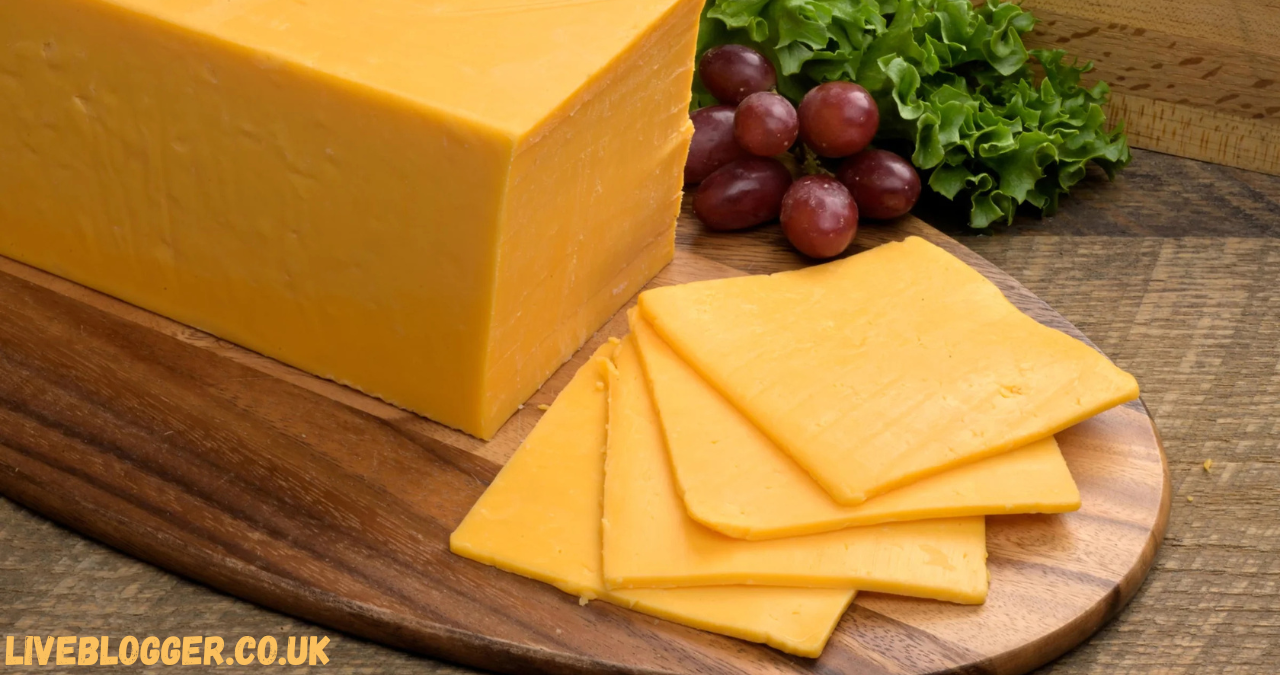
Cheddar cheese is a natural cheese traditionally made from cow’s milk and known for its firm texture and distinctive flavor. It belongs to the category of hard cheeses and is produced through a specific method that sets it apart from many other varieties. Cheddar typically ranges in color from pale yellow to deep orange, although the color does not necessarily affect its taste. The flavor varies depending on the aging process, with younger cheddar tasting mild and creamy, while aged cheddar develops a sharper and more complex flavor.
One of the defining characteristics of cheddar cheese is its aging process. Cheese makers allow cheddar to mature for different lengths of time, often ranging from a few months to several years. During this aging period, enzymes break down proteins and fats in the cheese, gradually intensifying its flavor and altering its texture. Mild cheddar is usually aged for two to three months, while sharp and extra-sharp varieties can be aged for over a year.
Another key aspect that defines cheddar is its unique manufacturing method known as cheddaring. In this process, the curds are stacked, cut, and turned repeatedly to remove excess whey. This step helps create the firm, dense structure that cheddar cheese is known for. The process also contributes to the cheese’s characteristic crumbly texture when it is aged for long periods.
Cheddar cheese is widely used in cooking due to its excellent melting properties and balanced flavor. It blends well with many other ingredients, making it ideal for sauces, baked dishes, sandwiches, and snacks. Whether enjoyed melted on a burger or sliced with crackers, cheddar cheese remains a versatile and flavorful ingredient loved by millions.
The History and Origin of Cheddar Cheese
The history of cheddar cheese dates back several centuries to the village of Cheddar in Somerset, England. This small region is considered the birthplace of the cheese and gave it its name. Early cheese makers in this area discovered that the natural caves in the region provided ideal conditions for aging cheese. The cool and humid environment allowed cheddar to mature slowly, developing its distinctive flavor and texture.
During the Middle Ages, cheddar cheese became increasingly popular throughout England. Farmers began producing the cheese on their farms and selling it in local markets. Because of its relatively long shelf life compared to fresh dairy products, cheddar was easy to transport and store. This practicality helped it spread beyond Somerset and gain recognition across the country.
As global trade expanded in the 18th and 19th centuries, cheddar cheese traveled beyond England and reached other parts of the world. Immigrants carried traditional cheese-making techniques to countries such as the United States, Canada, Australia, and New Zealand. These regions soon developed their own cheddar production industries, adapting the methods to local conditions and milk supplies.
Today, cheddar cheese is produced in many countries and is considered a global cheese variety rather than one limited to a single region. Modern technology has improved production methods, allowing manufacturers to produce cheddar on both small artisanal scales and large industrial levels. Despite these advancements, many traditional producers still follow time-honored methods to preserve the authentic taste and quality of classic cheddar cheese.
Types of Cheddar Cheese

Cheddar cheese comes in several varieties, mainly distinguished by how long the cheese has been aged. Mild cheddar is the youngest type and is typically aged for a short period of two to three months. Because of its limited aging time, mild cheddar has a creamy texture and a gentle flavor. This type of cheddar melts very easily, making it ideal for grilled cheese sandwiches, sauces, and casseroles.
Medium cheddar is aged slightly longer, often between four and nine months. This additional aging allows the flavor to develop more complexity while still maintaining a smooth texture. Medium cheddar strikes a balance between creaminess and sharpness, making it a popular choice for everyday cooking and snacking.
Sharp and extra-sharp cheddar cheeses are aged for longer periods, sometimes for one to two years or more. As cheddar matures, its flavor becomes stronger and tangier. The texture also becomes firmer and more crumbly. Aged cheddar often develops small crunchy crystals that form naturally during the aging process. These crystals add a pleasant texture and are highly appreciated by cheese enthusiasts.
Another variation in cheddar cheese is its color. Some cheddar cheeses are naturally pale or white, while others appear bright orange. The orange color comes from the addition of a natural coloring agent called annatto. While the color difference may affect appearance, it does not significantly change the flavor. Both white and orange cheddar offer the same delicious taste and versatility in cooking.
Nutritional Value of Cheddar Cheese
Cheddar cheese is not only flavorful but also packed with important nutrients. One of its most notable benefits is its high protein content. Protein plays a crucial role in building and repairing tissues in the body, making cheddar a valuable addition to a balanced diet. A moderate serving of cheddar cheese can provide a significant portion of the daily protein requirement.
Another important nutritional component of cheddar cheese is calcium. Calcium is essential for maintaining strong bones and teeth, and cheddar cheese is one of the richest dietary sources of this mineral. Regular consumption of calcium-rich foods helps support bone density and may reduce the risk of conditions related to bone weakness.
Cheddar cheese also contains essential vitamins such as vitamin A and vitamin B12. Vitamin A supports eye health and immune function, while vitamin B12 plays a vital role in nerve health and red blood cell production. These nutrients contribute to overall well-being and make cheddar cheese a nutrient-dense food option when consumed in moderation.
However, it is important to be mindful of the fat and sodium content in cheddar cheese. Because it is a high-fat dairy product, excessive consumption may contribute to increased calorie intake. Moderation is key when incorporating cheddar cheese into meals. When enjoyed as part of a balanced diet, it can provide valuable nutrients while enhancing the flavor of many dishes.
Culinary Uses of Cheddar Cheese

Cheddar cheese is incredibly versatile and can be used in a wide range of dishes. One of the most common uses is in comfort foods such as macaroni and cheese. Its ability to melt smoothly and create a creamy texture makes it perfect for cheese sauces and baked pasta dishes. Cheddar is also a popular topping for burgers and sandwiches, where it adds both flavor and richness.
In baking, cheddar cheese can add depth and savory character to breads, biscuits, and muffins. Cheese breads and savory scones often rely on cheddar for their bold taste. The cheese melts into the dough during baking, creating pockets of rich flavor that enhance the overall texture and aroma of the baked goods.
Cheddar cheese is also widely used in soups and sauces. Creamy cheddar soup is a comforting dish enjoyed in many cuisines. Similarly, cheddar-based sauces are commonly used for vegetables, nachos, and pasta dishes. Its melting properties allow it to blend smoothly with other ingredients, creating rich and satisfying meals.
Beyond cooked dishes, cheddar cheese is also enjoyed on its own. It pairs wonderfully with fruits like apples and pears, as well as with crackers and nuts. These combinations highlight the natural flavor of the cheese and make it a popular choice for snack platters and cheese boards.
Conclusion
Cheddar cheese has earned its reputation as one of the most beloved cheeses in the world. From its humble beginnings in a small English village to its widespread production across continents, cheddar has maintained its popularity for centuries. Its unique production process, diverse flavor range, and excellent melting properties make it a favorite among both chefs and home cooks.