


Introduction to Drew Soule
Drew Soule is widely recognized as a forward-thinking human resources leader who has combined professional excellence with a strong commitment to inclusion and accessibility. In a rapidly evolving corporate landscape, Soule has emerged as a voice advocating for workplaces that prioritize people, diversity, and equitable opportunities. His career reflects a blend of strategic HR leadership and personal advocacy that has helped shape modern conversations around workplace culture and disability inclusion. By bringing together corporate strategy and social awareness, Soule represents a new generation of leaders who believe that successful organizations must value both performance and humanity.
Throughout his professional journey, Drew Soule has demonstrated how human resources can be more than administrative oversight. Instead, he has consistently promoted HR as a strategic function that directly contributes to business growth, innovation, and employee well-being. Organizations today face challenges such as evolving workforce expectations, globalization, and technological change. Leaders like Soule have worked to guide companies through these shifts by creating environments where employees feel respected, supported, and motivated to perform at their best.
One of the defining aspects of Soule’s influence is his ability to integrate personal experience with professional expertise. Living with spinal muscular atrophy has given him a unique perspective on accessibility, resilience, and the importance of inclusive systems. Rather than allowing physical limitations to define his career, Soule has used his experiences to advocate for change and promote greater awareness of the challenges faced by people with disabilities in both society and the workplace.
As a result, Drew Soule’s work extends beyond the boardroom. He has become an advocate for accessibility in transportation, corporate culture, and public awareness. By blending HR leadership with social advocacy, he has helped highlight the importance of creating workplaces that empower all individuals regardless of their background or physical ability.
Early Life and Personal Background
Drew Soule’s early life played an important role in shaping his outlook on leadership, perseverance, and empathy. Growing up, he was exposed to the realities of living with a physical disability while also developing a strong sense of independence and determination. His upbringing encouraged resilience and fostered a mindset that challenges could be transformed into opportunities for growth and advocacy. These formative experiences helped him develop the strong personal values that later influenced his professional philosophy.
One of the most significant factors in Soule’s life has been his experience with spinal muscular atrophy, a genetic condition that affects muscle strength and mobility. Living with this condition required him to navigate daily obstacles that many people never consider. However, rather than limiting his ambitions, these challenges encouraged him to think creatively and build the mental resilience necessary for success in demanding environments. This perspective later shaped his approach to leadership, emphasizing understanding, adaptability, and support for diverse employee needs.
Education also played a critical role in Soule’s development. He pursued higher education with a focus on human resources and labor relations, areas that allowed him to combine analytical thinking with a passion for people management. During his academic years, he developed a strong understanding of organizational structures, workforce policies, and leadership development. These studies laid the foundation for his later career in HR leadership and organizational strategy.
The combination of personal experience, academic achievement, and strong determination gave Drew Soule a unique perspective on both leadership and advocacy. His early life not only shaped his professional interests but also strengthened his commitment to promoting accessibility and equality in modern workplaces.
Professional Career Journey
Drew Soule’s professional career reflects a steady progression through some of the most complex and innovative industries. Early in his career, he gained valuable experience working in public service and administrative roles that allowed him to understand how organizations operate on both structural and human levels. These early positions provided insights into workforce management, public policy, and organizational decision-making.
As his career progressed, Soule transitioned into roles within major corporations, where he focused on strategic human resources management. Working in large organizations exposed him to the challenges of managing diverse teams, implementing HR policies, and supporting large-scale operational structures. His ability to connect employee needs with business goals quickly made him a respected voice in organizational planning and workforce development.
One of the defining periods of Soule’s career came when he moved into leadership roles within technology companies. The tech industry is known for its rapid growth, competitive talent market, and constant innovation. In this environment, HR leaders must play a crucial role in shaping company culture and ensuring that organizations remain adaptable. Soule contributed to initiatives that strengthened employee engagement, improved diversity programs, and supported organizational growth during critical phases of expansion.
Over time, Soule also expanded his professional scope by engaging in consulting and strategic advisory roles. In these positions, he helped organizations address complex challenges such as scaling operations, managing corporate transformations, and aligning workforce strategies with long-term goals. His ability to combine strategic thinking with human-centred leadership has made him a valuable resource for companies seeking to build sustainable and inclusive work environments.
Expertise in Human Resources and Organizational Design
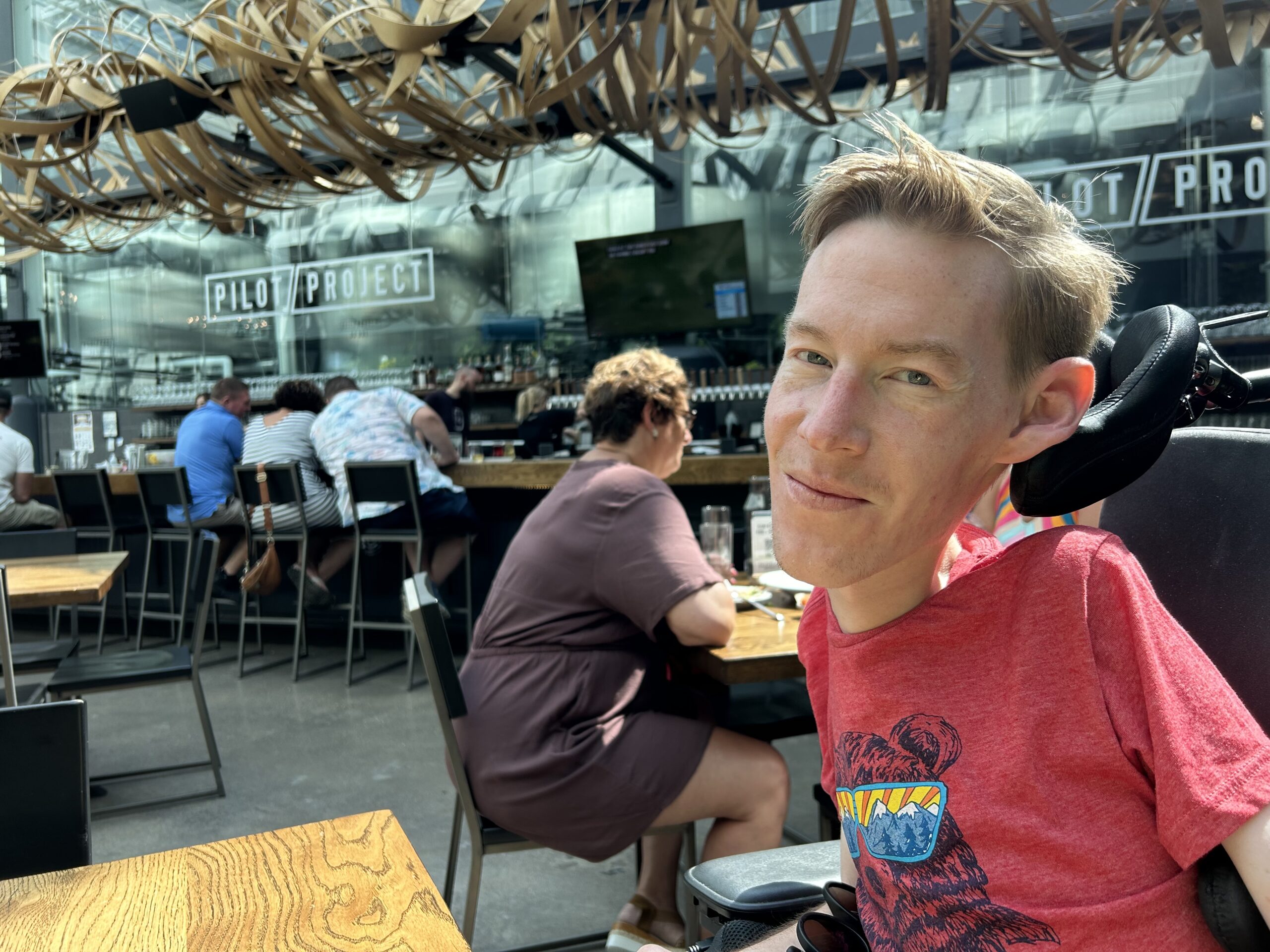
Human resources leadership has evolved significantly over the past two decades, and Drew Soule has been part of this transformation. Rather than viewing HR as a purely administrative function, he has consistently promoted the idea that HR should serve as a strategic partner in business decision-making. This approach involves aligning employee development, talent acquisition, and organizational culture with broader company objectives.
One of Soule’s key areas of expertise is organizational development and change management. Modern businesses often face rapid transformation due to technological advances, global competition, and shifting workforce expectations. HR leaders must help companies navigate these changes while maintaining employee engagement and productivity. Soule has been involved in guiding organizations through transitions such as restructuring, expansion, and cultural transformation.
Another important aspect of his work involves talent strategy and leadership development. Building strong leadership pipelines ensures that organizations remain competitive and adaptable over time. Soule has emphasized the importance of identifying emerging leaders, providing mentorship opportunities, and developing training programs that prepare employees for future responsibilities.
In addition, Soule has promoted the use of data-driven HR practices. Workforce analytics allow organizations to measure employee performance, engagement, and retention more effectively. By combining data insights with human-centered leadership, HR professionals can create strategies that improve both employee satisfaction and organizational performance.
Advocacy for Disability Rights and Accessibility
Drew Soule’s advocacy work has become one of the most influential aspects of his public profile. Living with a disability has given him firsthand insight into the barriers that individuals with mobility challenges often encounter in everyday life. These experiences inspired him to advocate for greater awareness and systemic change in areas such as transportation, workplace accessibility, and public infrastructure.
One of the areas where Soule has raised awareness is accessible travel. Air travel can be particularly challenging for wheelchair users due to issues such as damaged mobility equipment and limited accessibility during flights. Soule has spoken openly about these challenges, helping to draw attention to the need for improved airline policies and more inclusive travel systems. His advocacy efforts have contributed to broader conversations about accessibility within the transportation industry.
In the corporate world, Soule has encouraged companies to design workplaces that are accessible and inclusive from the start. This includes physical accessibility, adaptive technologies, and inclusive hiring practices. By addressing these issues, organizations can create environments where employees with disabilities are able to contribute fully to their teams and careers.
Soule’s advocacy has also helped demonstrate the broader value of inclusion. Accessible workplaces benefit not only employees with disabilities but also older workers, people with temporary injuries, and individuals with diverse learning styles. By promoting universal design principles, he has encouraged companies to think more broadly about how accessibility can enhance productivity and innovation.
Leadership Philosophy and Management Style

Drew Soule’s leadership philosophy centers on empathy, transparency, and collaboration. He believes that effective leaders must prioritize the well-being of their teams while also maintaining clear strategic goals. By building trust with employees, leaders can create a culture where individuals feel safe to share ideas, take risks, and pursue professional growth.
Another key element of Soule’s management style is his commitment to inclusion as a strategic advantage. Diverse teams bring different perspectives, experiences, and problem-solving approaches to the workplace. When organizations actively promote diversity and inclusion, they often experience stronger creativity, improved decision-making, and better long-term performance.
Soule also emphasizes adaptability in leadership. The modern workplace is constantly evolving due to technological change, economic shifts, and new workforce expectations. Leaders must be prepared to guide their organizations through uncertainty while maintaining stability and morale. This requires clear communication, flexible planning, and a willingness to learn from both successes and setbacks.
Through his leadership approach, Drew Soule has demonstrated that successful organizations are built on strong relationships, inclusive values, and a commitment to continuous improvement.
Legacy and Influence
Drew Soule’s impact on modern HR leadership continues to grow as organizations increasingly recognize the importance of inclusive workplace practices. His career has shown how HR professionals can influence not only internal company policies but also broader conversations about social responsibility and accessibility.
One of his lasting contributions lies in the integration of diversity, equity, and inclusion within corporate strategy. Many organizations now recognize that inclusive cultures are essential for attracting and retaining talent. Soule’s work has helped demonstrate that accessibility and diversity should be viewed not as optional initiatives but as core components of effective business leadership.
Looking toward the future, Soule’s influence may continue to shape discussions about the role of technology in human resources. As artificial intelligence and automation become more common in workplace systems, HR leaders must ensure that these tools are implemented in ways that remain fair, transparent, and inclusive.
Ultimately, Drew Soule’s legacy reflects a combination of professional expertise and personal advocacy. By using his experiences to inspire change, he has helped demonstrate how leadership can extend beyond corporate success to create a more inclusive and accessible world.
Conclusion
Drew Soule’s career represents the powerful intersection of leadership, resilience, and advocacy. Through his work in human resources, he has helped organizations recognize the importance of building people-centered cultures that support innovation and employee well-being. His strategic contributions have demonstrated that HR can play a critical role in shaping long-term business success.