

Introduction to Dungeness Crab
Dungeness crab is one of the most celebrated seafood delicacies found along the Pacific coastline of North America. Known for its sweet, tender meat and rich flavor, this crab species has earned a reputation among seafood lovers and chefs alike. It is commonly harvested from the cold waters stretching from Alaska to California, where it thrives in sandy and muddy ocean floors. For decades, Dungeness crab has been an essential part of coastal cuisine and maritime culture, particularly in the Pacific Northwest of the United States.
What makes Dungeness crab truly special is its balance of flavor, texture, and versatility in cooking. Unlike some crab varieties that have overly firm or salty meat, Dungeness crab offers a delicate sweetness and a soft yet flaky texture that pairs well with many dishes. It is commonly served steamed, boiled, or incorporated into soups, salads, and pasta dishes. Restaurants, seafood markets, and home cooks eagerly await the crab season each year, when fresh catches become widely available.
Beyond its culinary appeal, Dungeness crab also plays an important economic role in coastal fishing communities. Commercial crab fisheries generate millions of dollars annually, supporting fishermen, seafood processors, and local markets. In many coastal towns, crab harvesting is more than just a profession; it is a tradition passed down through generations.
The popularity of Dungeness crab has also made it a symbol of sustainable seafood management. Strict fishing regulations, seasonal harvesting limits, and size restrictions help maintain healthy crab populations. These measures ensure that future generations can continue to enjoy this iconic Pacific Coast seafood.
What Is a Dungeness Crab?
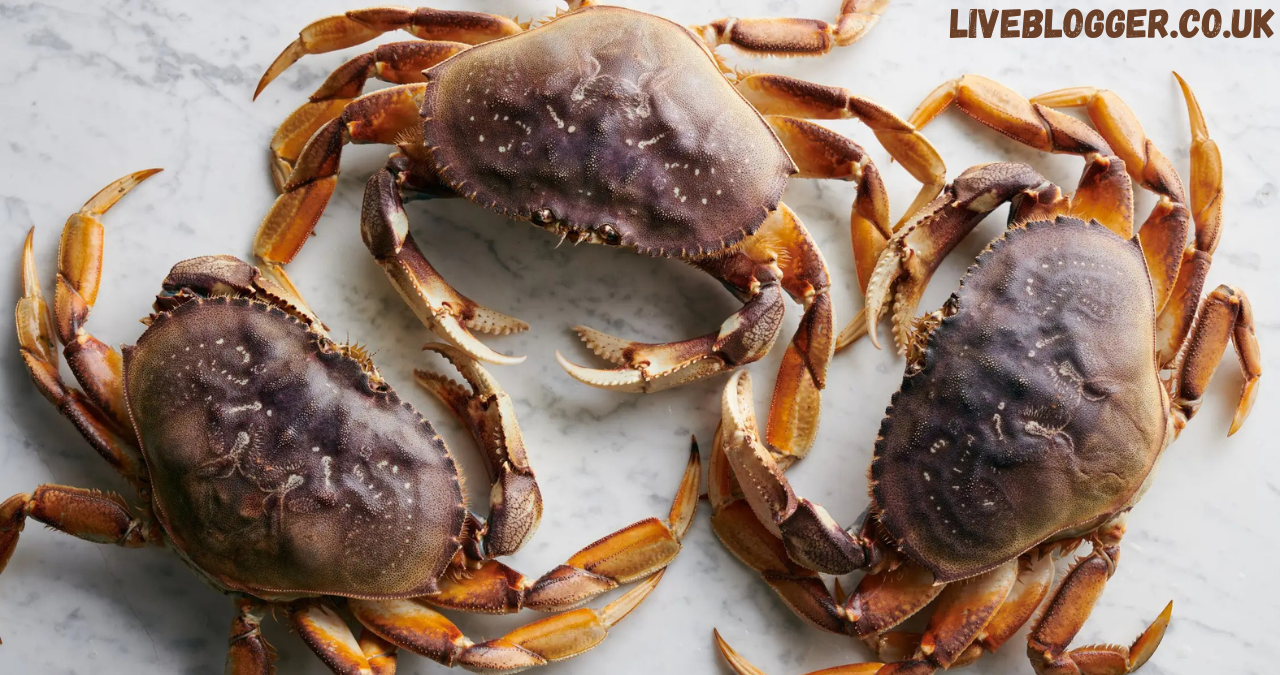
Dungeness crab belongs to the species Metacarcinus magister and is recognized as one of the most commercially important crab species in North America. It gets its name from Dungeness, Washington, where the species was first commercially harvested in the United States. The crab has a wide, oval-shaped shell and powerful claws that it uses for feeding and defense. Adult crabs typically measure up to 10 inches across the shell and can weigh around two pounds, although some grow even larger.
The appearance of a Dungeness crab is quite distinctive. Its shell ranges in color from light brown to purplish hues, often with a slightly mottled pattern that helps it blend into the ocean floor. The crab has five pairs of legs, including a pair of strong claws used for breaking shells of prey. Male Dungeness crabs are usually larger than females and are the primary targets of commercial fishing, as harvesting female crabs is generally restricted to protect reproduction.
Like many crustaceans, Dungeness crabs grow through a process called molting. During molting, the crab sheds its hard outer shell and forms a new, larger one. This process allows the crab to grow but also leaves it temporarily vulnerable to predators until the new shell hardens. Young crabs molt more frequently than adults, which helps them rapidly increase in size during their early life stages.
The life cycle of a Dungeness crab begins when female crabs release thousands of eggs into the ocean. These eggs hatch into microscopic larvae that drift with ocean currents before eventually settling on the seabed. Over time, they develop into juvenile crabs and continue growing until they reach adulthood. This fascinating life cycle plays a vital role in maintaining healthy marine ecosystems.
Natural Habitat and Geographic Distribution
Dungeness crabs are native to the Pacific Ocean and are primarily found along the western coast of North America. Their natural range extends from the cold waters of Alaska down to the central coast of California. These crabs prefer coastal environments with sandy or muddy ocean floors where they can easily bury themselves for protection. The shallow coastal waters provide abundant food sources and ideal conditions for growth.
The habitat of the Dungeness crab varies depending on its stage of life. Juvenile crabs often live in estuaries, bays, and eelgrass beds where they are protected from larger predators. These sheltered areas offer a rich supply of small organisms that young crabs feed on as they grow. As they mature, adult crabs move to deeper coastal waters, typically ranging from shallow shorelines to depths of several hundred feet.
Dungeness crabs are opportunistic feeders, meaning they eat a wide variety of foods available in their environment. Their diet includes small fish, clams, worms, mussels, and other crustaceans. They also scavenge on dead marine animals, which helps keep the ocean floor clean. This feeding behavior plays an important role in maintaining ecological balance in marine ecosystems.
Despite their ability to adapt to different environments, Dungeness crabs face challenges from changing ocean conditions. Rising ocean temperatures, pollution, and habitat loss can affect their survival and reproduction. For this reason, marine scientists and fishery managers closely monitor crab populations to ensure they remain stable and sustainable.
Dungeness Crab Fishing and Harvesting
The commercial fishery for Dungeness crab is one of the most valuable seafood industries along the Pacific Coast. Every year, thousands of fishermen set out during crab season to harvest these prized crustaceans. The fishing season typically begins in late fall and continues through winter, although exact dates vary depending on regional regulations and environmental conditions.
Fishermen usually catch Dungeness crabs using specially designed traps known as crab pots. These pots are baited with fish or other seafood to attract crabs. Once inside the trap, the crabs cannot escape, allowing fishermen to collect them later. The traps are attached to floating buoys that mark their location on the water surface. This method is considered efficient and relatively sustainable compared to other fishing techniques.
To protect crab populations, strict regulations govern the harvesting process. Fishermen are only allowed to keep male crabs that meet a minimum size requirement. Female crabs carrying eggs must be returned to the ocean immediately. These rules help ensure that enough crabs remain in the ocean to reproduce and maintain healthy populations.
Recreational crabbing is also popular among coastal residents and tourists. Many people catch Dungeness crabs from piers, beaches, and small boats using simple traps or nets. This activity has become a favorite pastime for families and seafood enthusiasts who enjoy both the excitement of catching crabs and the reward of cooking them fresh.
Culinary Uses of Dungeness Crab

Dungeness crab is widely regarded as one of the most delicious crab varieties available. Its meat is known for its naturally sweet flavor, delicate texture, and slightly nutty taste. Because of these qualities, it is often served with minimal seasoning so that the natural flavor of the crab can shine through. Many chefs consider it a premium seafood ingredient used in both simple and gourmet dishes.
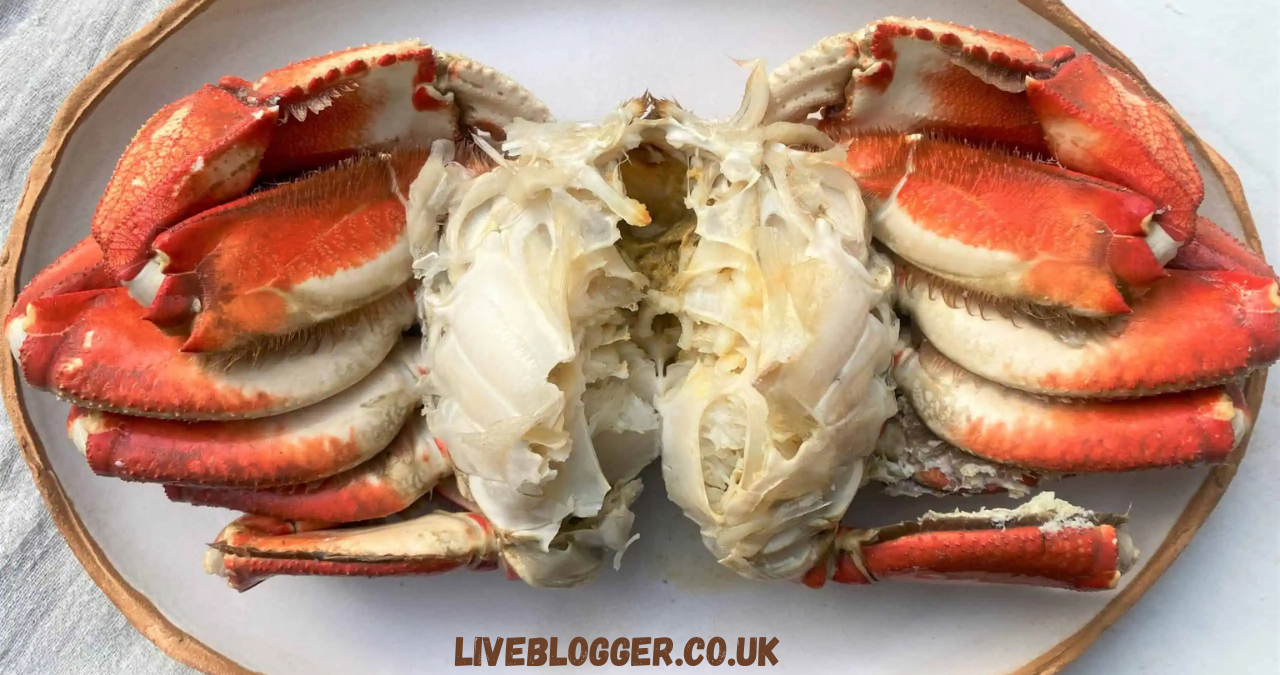
One of the most common ways to prepare Dungeness crab is by steaming or boiling the whole crab shortly after it is caught. Once cooked, the shell is cracked open to reveal tender white meat inside the legs and body. The meat can be eaten on its own, dipped in butter, or added to a variety of recipes. Popular dishes include crab cakes, seafood salads, pasta, chowders, and sushi.
In many coastal regions, Dungeness crab is the centerpiece of traditional seafood feasts. Families and friends gather around tables covered with freshly cooked crab, bread, and sauces. The experience of cracking the shells and sharing the meal together has become an important social tradition in many communities.
The versatility of Dungeness crab also makes it a favorite in international cuisines. Asian dishes often incorporate the crab into stir-fries, noodle dishes, and soups. Mediterranean-inspired recipes combine the crab with olive oil, herbs, and fresh vegetables. No matter the preparation style, the rich flavor of Dungeness crab remains the highlight of the dish.
Conclusion
Dungeness crab stands as one of the most treasured seafood species found in the Pacific Ocean. Its sweet, delicate meat, impressive size, and culinary versatility have made it a favorite among seafood lovers around the world. From the cold coastal waters where it lives to the dining tables where it is served, this crab plays an important role in both marine ecosystems and human culture.
The fishing industry built around Dungeness crab provides livelihoods for thousands of coastal residents while contributing significantly to regional economies. At the same time, careful management practices ensure that the species remains sustainable for future generations. Size limits, seasonal harvesting rules, and protections for female crabs all help maintain healthy crab populations.
Beyond economics and ecology, Dungeness crab also brings people together through food and tradition. Whether enjoyed at a seaside restaurant, prepared at home, or shared during community festivals, it continues to be a symbol of coastal heritage and culinary excellence.
As awareness of sustainable seafood continues to grow, the story of Dungeness crab serves as an example of how responsible fishing practices and environmental stewardship can protect valuable marine resources. With continued conservation efforts, this remarkable crab will remain a cherished part of Pacific coastal life for many years to come.
FAQs
What does Dungeness crab taste like?
Dungeness crab has a sweet, delicate flavor with a tender and slightly nutty taste that many seafood lovers prefer over other crab varieties.
Where are Dungeness crabs found?
They are primarily found along the Pacific coastline of North America, from Alaska to California.
When is Dungeness crab season?
The season usually begins in late fall and continues through winter, although the exact timing varies by region.
Is Dungeness crab healthy to eat?
Yes, it is high in protein, low in fat, and contains important nutrients such as vitamin B12, zinc, and omega-3 fatty acids.
What is the best way to cook Dungeness crab?
Steaming or boiling is the most common method, as it preserves the natural sweetness and texture of the crab meat.