

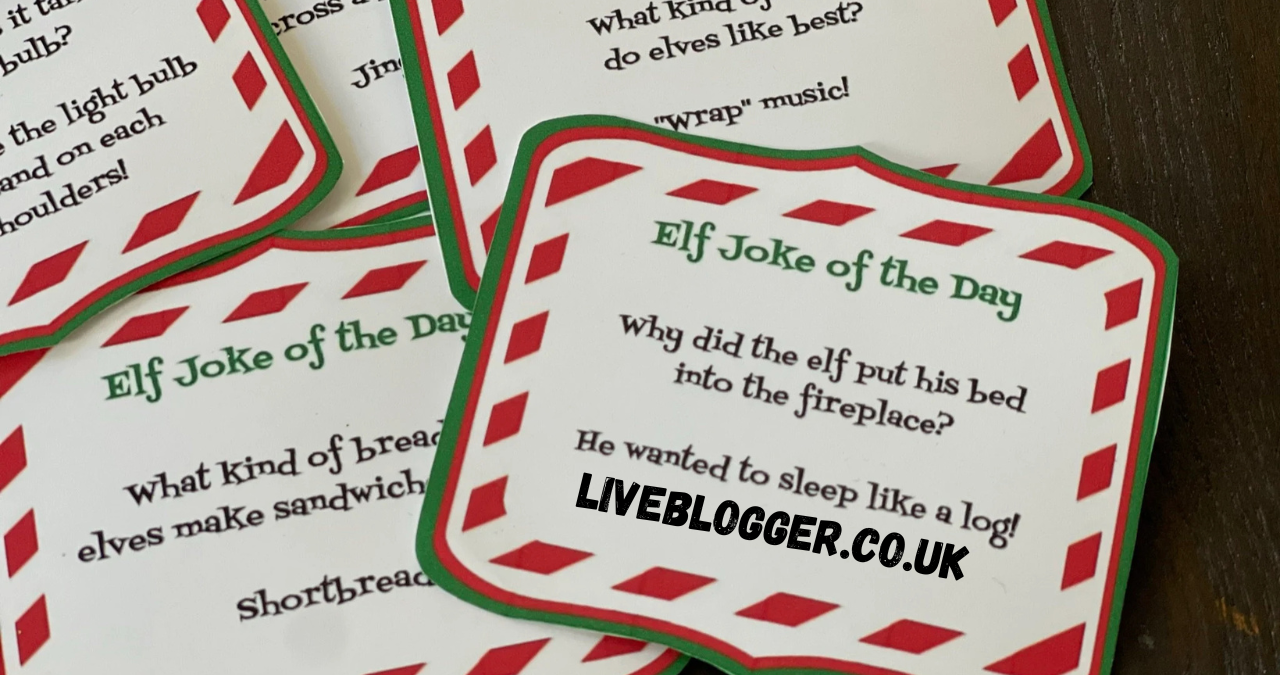
Elf jokes have carved out a special place in holiday humor, blending festive cheer with clever wordplay that delights both children and adults. From playful Christmas puns to fantasy-inspired one-liners, elf humor continues to evolve while staying rooted in tradition. Whether you are crafting jokes for a classroom, planning holiday party entertainment, or simply looking to boost seasonal social media engagement, understanding the art of elf jokes can help you create laughter that truly “sleighs.” This comprehensive guide explores the origins, styles, writing techniques, and lasting popularity of elf jokes while providing practical insight into how to craft your own.
The Origins of Elves in Folklore and Pop Culture
Elves did not begin as the cheerful toy-makers we associate with Christmas today. In early European folklore, elves were mystical beings, often portrayed as magical, mischievous, and sometimes even unpredictable. Scandinavian and Germanic myths described elves as ethereal creatures connected to nature, capable of influencing human fate. These ancient depictions carried a tone of mystery and enchantment rather than comedy. Over time, however, cultural shifts softened their image. As winter traditions merged with Christian celebrations, elves gradually transformed into helpful companions of Santa Claus, becoming symbols of generosity and craftsmanship. This transformation laid the groundwork for elf jokes, as humor thrives on characters that are both familiar and exaggerated.
Modern pop culture further shaped the comedic identity of elves. Films such as Elf redefined the elf archetype by blending innocence with absurdity, creating a lovable character whose oversized enthusiasm generated endless humor. Meanwhile, fantasy epics like The Lord of the Rings portrayed elves as elegant, wise, and heroic beings. These contrasting portrayals expanded the range of elf jokes, allowing writers to play with stereotypes—whether poking fun at toy workshops or magical archery skills. Even characters like Legolas inspire lighthearted humor that contrasts their dignified image with playful punchlines. This rich cultural background gives elf jokes depth, versatility, and cross-generational appeal.
Types of Elf Jokes That Keep the Laughter Rolling
Elf jokes come in many forms, each tailored to different audiences and occasions. Christmas-themed elf jokes are perhaps the most recognizable. These often revolve around Santa’s workshop, toy production mishaps, or the infamous naughty and nice list. Wordplay is central to their success. Puns such as “What do elves learn in school? The elf-abet!” rely on phonetic humor that is simple yet effective. These jokes are particularly popular in classrooms and family gatherings because they are clean, easy to understand, and accessible to young children. Their charm lies in their simplicity and festive tone, making them ideal for holiday cards, party games, and seasonal newsletters.
Fantasy-inspired elf humor, on the other hand, targets older audiences who appreciate references to magical abilities and epic adventures. These jokes may exaggerate the grace, height, or seriousness often associated with fantasy elves, creating comedic contrast. Knock-knock jokes and one-liners also remain highly effective formats. Short jokes work especially well for social media platforms where brevity drives engagement. The key is adaptability—elf jokes can be tailored to fit professional settings, casual gatherings, or online audiences. By understanding these categories, writers can strategically choose the style that best suits their purpose while maintaining originality and festive flair.
How to Write Your Own Elf Jokes
Writing an effective elf joke begins with understanding classic joke structure. Every strong joke has a setup that builds expectation and a punchline that subverts it. The setup should be clear and concise, while the punchline should introduce a twist, often through wordplay or unexpected logic. For example, many elf jokes rely on replacing “self” with “elf” to create humorous misunderstandings. This linguistic flexibility makes elf humor especially appealing to writers who enjoy experimenting with phonetics. However, originality is essential. While holiday clichés can provide inspiration, relying too heavily on overused punchlines may diminish impact.
Creativity thrives when you incorporate context. Consider the audience’s age, cultural background, and familiarity with Christmas traditions or fantasy lore. For children, simple rhymes and visual humor work best. For adults, layered references and subtle irony can elevate the joke. Testing jokes aloud is also valuable, as timing plays a significant role in comedic delivery. Additionally, maintaining inclusivity ensures that humor remains lighthearted and enjoyable for everyone. Avoid jokes that target sensitive topics or rely on exclusionary stereotypes. Instead, focus on universal themes such as teamwork, holiday stress, or playful rivalries in Santa’s workshop. By combining structure, originality, and audience awareness, you can craft elf jokes that resonate widely and leave a lasting impression.
Why Elf Jokes Are So Popular

Elf jokes endure because they tap into nostalgia and shared cultural experiences. For many people, elves symbolize childhood wonder, holiday anticipation, and the magic of gift-giving. Humor rooted in these emotions feels comforting and familiar. During the holiday season, stress levels often rise due to travel, shopping, and social commitments. Lighthearted elf jokes provide a moment of relief, allowing people to laugh at exaggerated scenarios rather than dwell on real pressures. This emotional connection strengthens their popularity year after year.
Moreover, elves embody a “small but mighty” archetype that naturally lends itself to comedy. Their diminutive stature, boundless energy, and association with intricate toy-making create countless opportunities for exaggeration. Humor often thrives on contrast, and elves present the perfect juxtaposition: tiny figures performing monumental tasks. This contrast makes punchlines both surprising and satisfying. In digital spaces, elf jokes also perform well because they are adaptable to memes, captions, and short-form videos. Their seasonal relevance boosts search engine visibility, making them a strong topic for SEO-driven content. By blending nostalgia, relatability, and versatility, elf jokes continue to captivate audiences across generations and platforms.
Conclusion
Elf jokes represent more than seasonal humor—they are a celebration of creativity, culture, and connection. Rooted in ancient folklore yet shaped by modern media, elves have evolved into versatile comedic icons. From classic Christmas puns to fantasy-inspired satire, elf humor spans multiple genres and age groups. Its enduring appeal lies in its ability to combine innocence with cleverness, delivering laughter that feels both timeless and fresh.
For writers, elf jokes offer endless opportunities to experiment with language, structure, and audience engagement. By understanding their origins, mastering different formats, and prioritizing originality, you can craft jokes that truly “sleigh” the competition. Whether shared around a dinner table, printed in a greeting card, or posted online, elf jokes continue to spread joy—proving that even the smallest characters can deliver the biggest laughs.
FAQs About Elf Jokes
1. What makes an elf joke funny?
A strong elf joke uses clever wordplay, a clear setup, and an unexpected punchline while staying lighthearted and inclusive.
2. Are elf jokes suitable for all ages?
Most Christmas-themed elf jokes are family-friendly, though fantasy-based humor may appeal more to older audiences.
3. How can I create original elf puns?
Experiment with replacing similar-sounding words like “self” with “elf,” and incorporate workshop or holiday vocabulary creatively.
4. What is the difference between Christmas elf jokes and fantasy elf jokes?
Christmas elf jokes focus on Santa’s helpers and festive traditions, while fantasy elf jokes draw inspiration from magical lore and epic storytelling.
5. Where can I share elf jokes for maximum engagement?
Social media platforms, holiday newsletters, classroom activities, greeting cards, and party icebreakers are all excellent channels for sharing elf humor.