

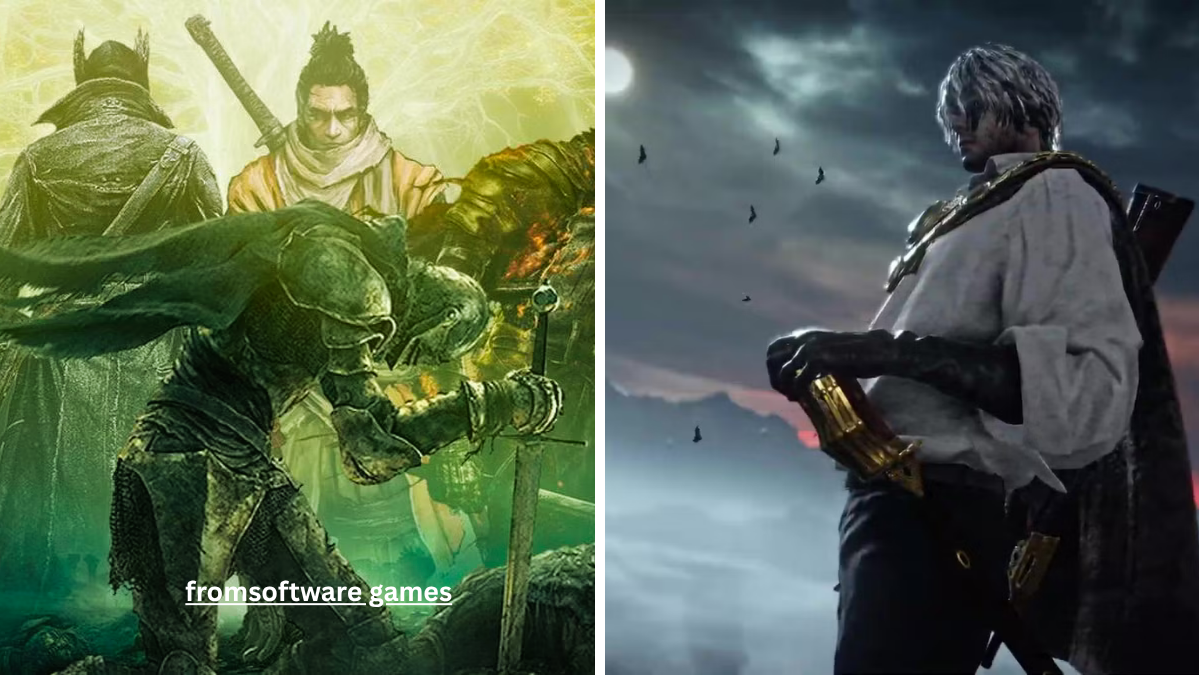
The modern gaming industry has produced countless influential studios, but very few have shaped player expectations the way FromSoftware has. Over the years, the company built a reputation for creating unforgettable worlds filled with danger, mystery, emotional storytelling, and demanding gameplay. Players around the globe now recognize the studio for delivering experiences that reward patience, curiosity, and determination.
What separates these titles from many mainstream releases is their commitment to trust the player. Instead of overwhelming players with tutorials, glowing markers, and endless guidance, these games encourage experimentation and observation. Every enemy encounter matters. Every shortcut feels earned. Every victory carries emotional weight. This design philosophy transformed the studio from a niche Japanese developer into one of the most respected names in gaming history.
The rise of fromsoftware games also changed how people discuss difficulty in entertainment. Instead of challenge being treated as a barrier, many players began seeing it as a meaningful part of immersion and satisfaction. Defeating a seemingly impossible boss creates a sense of accomplishment that few other genres can replicate. The result is a dedicated community that continues to celebrate every release, analyze every detail, and revisit old titles years after launch.
The influence of these games now stretches far beyond their own catalog. Developers across the industry borrow mechanics, level design concepts, storytelling methods, and combat systems inspired by FromSoftware’s work. Entire genres have emerged because of the studio’s success, and the phrase “Soulslike” has become part of gaming vocabulary. Yet despite this widespread influence, the company continues to evolve rather than simply repeat the same formula.
The Origins of FromSoftware and Its Early Identity
FromSoftware began as a Japanese software company in the 1980s before moving into video game development. In its early years, the studio experimented with a variety of genres instead of focusing on a single identity. Many gamers today associate the company exclusively with dark fantasy action RPGs, but the developer originally worked on titles ranging from mech combat games to experimental adventures.
One of the company’s earliest successes came through the Armored Core franchise. These games focused on customizable mechs, tactical combat, and futuristic warfare. Players could modify nearly every aspect of their machine, creating personalized strategies for intense missions. Although these games were popular within dedicated circles, they remained relatively niche compared to mainstream console hits.
The studio’s willingness to embrace difficult gameplay already existed during this period. Even early releases demanded careful planning and mechanical understanding. Instead of prioritizing accessibility over depth, the company leaned toward systems that rewarded commitment and mastery. This philosophy eventually became central to the identity of fromsoftware games years later.
The company also experimented with atmospheric storytelling long before Demon’s Souls arrived. Earlier projects often included fragmented narratives, environmental clues, and mysterious world-building. Players were expected to pay attention to dialogue, item descriptions, and level design to fully understand the story. These ideas eventually evolved into one of the studio’s defining strengths.
As technology improved and gaming audiences expanded globally, FromSoftware searched for a breakthrough project capable of separating the studio from competitors. That opportunity arrived during the PlayStation 3 era, changing not only the company’s future but also the entire action RPG landscape.
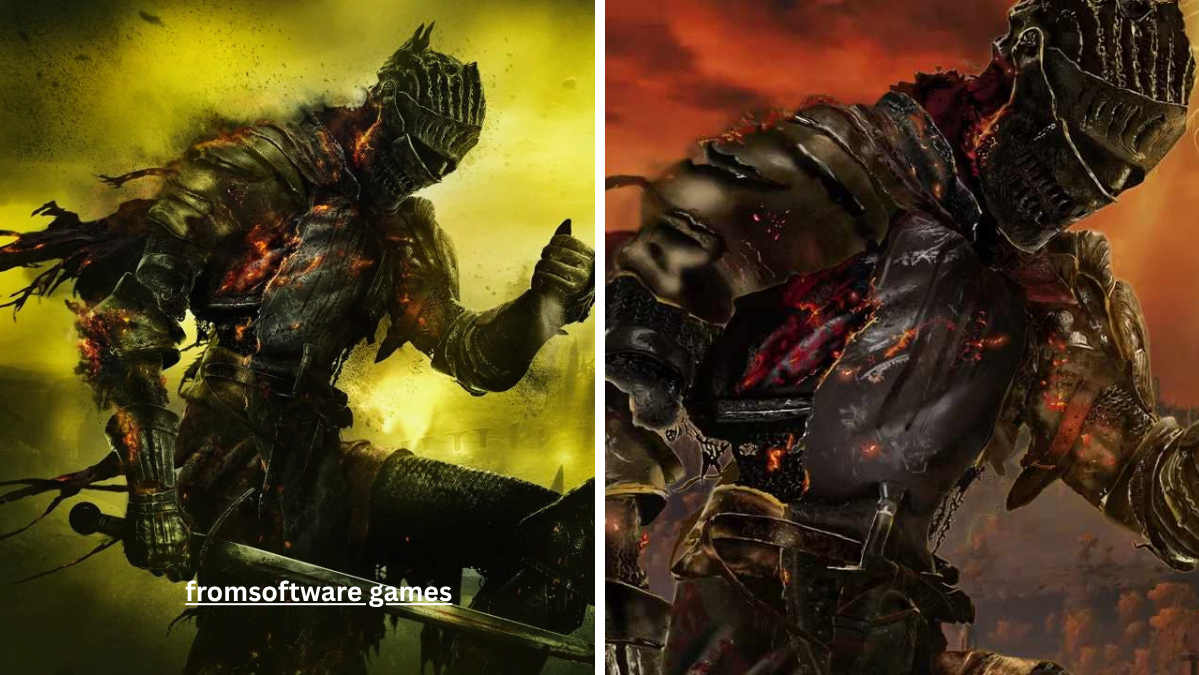
Demon’s Souls and the Birth of a New Era
When Demon’s Souls launched in 2009, many publishers doubted its commercial potential. The game was considered too difficult, too obscure, and too unconventional for mainstream audiences. Yet players who embraced its design discovered something extraordinary: a deeply rewarding action RPG that respected intelligence, patience, and persistence.
The game’s structure felt radically different from most titles of its era. Death carried meaningful consequences. Combat required precision instead of button mashing. Exploration demanded caution. Enemies could kill players quickly if mistakes were made. Instead of feeling unfair, however, the systems encouraged learning and adaptation.
One famous quote from game director Hidetaka Miyazaki captured the philosophy behind the design: “I wanted players to feel accomplishment by overcoming hardship.” That simple concept became the emotional foundation of the studio’s future projects.
Demon’s Souls introduced many mechanics that later defined fromsoftware games. Bonfire-style checkpoints, stamina-based combat, interconnected level design, cryptic multiplayer systems, and environmental storytelling all appeared in early forms here. Players could leave messages for one another, invade other worlds, or cooperate against difficult bosses. These features created a unique sense of shared struggle among the community.
The game’s atmosphere also became legendary. Fog-covered castles, decaying kingdoms, haunting music, and oppressive loneliness created a world that felt genuinely dangerous. Instead of delivering cinematic storytelling through lengthy cutscenes, the game immersed players through mood and discovery.
Commercially, Demon’s Souls exceeded expectations through word-of-mouth enthusiasm. Players recommended it passionately because the experience felt unlike anything else available at the time. The title’s success gave FromSoftware confidence to expand the formula further, eventually leading to one of the most influential franchises in gaming history.
Dark Souls and the Expansion of the Souls Formula
Dark Souls transformed a cult concept into a worldwide phenomenon. Released in 2011, the game refined nearly every idea introduced in Demon’s Souls while expanding the scale, interconnected world design, and lore complexity. The result was an instant classic that permanently altered the reputation of the studio.
One of the most celebrated aspects of Dark Souls was its world structure. Areas connected organically through hidden paths, elevators, locked gates, and shortcuts. Discovering how locations linked together created a powerful sense of place rarely matched in modern game design. The world felt believable, ancient, and carefully constructed.
Combat remained demanding but fair. Every weapon carried unique animations, timing, and tactical strengths. Players needed to study enemy patterns rather than rely on brute force. Shield usage, dodging, stamina management, and positioning all became essential skills.
The emotional impact of victory became one of the defining characteristics of fromsoftware games during this period. Boss fights such as Ornstein and Smough, Artorias, and Manus became legendary because they challenged players to improve rather than simply overpower opponents through statistics alone.
The storytelling style also evolved dramatically. Characters spoke in cryptic language filled with sadness, regret, ambition, and decay. Item descriptions contained fragments of forgotten histories. Entire fan communities formed around analyzing lore theories and hidden meanings.
The following table highlights several major Souls-era releases and their defining strengths:
| Game Title | Release Year | Core Strength | Notable Feature |
|---|---|---|---|
| Demon’s Souls | 2009 | Atmospheric challenge | World tendency system |
| Dark Souls | 2011 | Interconnected world | Deep environmental storytelling |
| Dark Souls II | 2014 | Build variety | Extensive weapon customization |
| Bloodborne | 2015 | Aggressive combat | Gothic horror setting |
| Dark Souls III | 2016 | Fast-paced battles | Refined boss encounters |
| Sekiro: Shadows Die Twice | 2019 | Precision sword combat | Posture system |
| Elden Ring | 2022 | Open-world exploration | Massive freedom and discovery |
Dark Souls II experimented heavily with build diversity, online systems, and large-scale content. While divisive among some fans, it introduced ambitious ideas that expanded the franchise in meaningful ways. Dark Souls III later refined combat speed and boss quality, delivering a powerful conclusion to the trilogy.
Together, these releases established the foundation of modern Soulslike design and cemented the studio’s global influence.
The Artistic Power of Environmental Storytelling
One reason players remain deeply attached to these games is the extraordinary use of environmental storytelling. Instead of explaining every detail through exposition, FromSoftware allows architecture, enemy placement, music, and visual design to communicate emotion and history.
Walking through a ruined cathedral tells a story without dialogue. Seeing abandoned armor beside a corpse suggests tragedy. Discovering forgotten kingdoms hidden beneath collapsing cities creates curiosity and wonder. This approach encourages players to become active participants in understanding the narrative rather than passive observers.
Many critics praise fromsoftware games for respecting player intelligence. The worlds contain layers of symbolism, historical parallels, and emotional themes hidden beneath surface-level combat. Stories about ambition, corruption, immortality, grief, and decay emerge gradually through exploration.
Bloodborne serves as one of the strongest examples of this design philosophy. The city of Yharnam initially appears to be a gothic horror setting inspired by werewolves and plague narratives. As players progress, however, the game slowly transforms into cosmic horror influenced by existential terror and forbidden knowledge. The environmental details guide players through this transformation without needing excessive exposition.
Music also plays a major role in storytelling. Silence dominates exploration areas, increasing tension and loneliness. Boss encounters suddenly erupt into powerful orchestral compositions that emphasize emotional intensity. These musical contrasts make victories and revelations feel unforgettable.
This style of storytelling creates long-lasting community engagement because players continue discovering new interpretations years later. Online discussions, lore videos, and fan theories remain incredibly active because the worlds invite analysis rather than offering simple answers.
Combat Design and the Philosophy of Fair Challenge
Combat in these games succeeds because it combines simplicity with extraordinary depth. Basic mechanics appear straightforward at first glance: attack, dodge, block, and manage stamina. Yet every encounter becomes meaningful because enemies are designed to punish carelessness.
The studio avoids artificial difficulty whenever possible. Most deaths occur because players become impatient, greedy, or inattentive. Learning enemy patterns, managing spacing, and understanding timing lead naturally to improvement. This creates a strong connection between personal skill and progression.
One famous statement often associated with the community captures the spirit perfectly: “Every death teaches something.” While frustrating moments certainly exist, players gradually realize that failure is part of the learning process rather than simple punishment.
The evolution of combat across fromsoftware games reveals the studio’s willingness to innovate. Dark Souls emphasized defensive positioning and stamina management. Bloodborne encouraged aggression by rewarding players for attacking after taking damage. Sekiro focused heavily on rhythm, deflection timing, and sword duels.
Sekiro represented one of the boldest departures in the company’s history. Instead of relying primarily on RPG statistics and build experimentation, the game demanded direct mechanical mastery. The posture system created intense duels where precision mattered more than character levels. Victory required confidence, focus, and timing.
Boss design remains another critical strength. The best encounters combine visual spectacle with mechanical complexity and emotional resonance. Battles feel memorable because they often represent narrative climaxes as much as gameplay challenges.
These fights also avoid excessive randomness. Skilled players can consistently overcome encounters through practice and understanding. This fairness helps explain why many players become deeply invested despite frequent difficulty.
Bloodborne and the Evolution of Gothic Horror
Bloodborne occupies a unique place in the studio’s catalog because it merged fast-paced combat with one of the most striking horror settings ever created in gaming. Released exclusively for PlayStation 4, the game quickly became a critical and commercial success.
The city of Yharnam feels alive despite being consumed by madness and disease. Narrow streets, towering cathedrals, flickering lanterns, and grotesque monsters create an atmosphere of relentless dread. Every location reinforces the sense that civilization itself is collapsing under hidden horrors.
Unlike the slower defensive combat of Dark Souls, Bloodborne encourages aggression. The rally system allows players to recover lost health by immediately striking enemies after taking damage. This mechanic transforms combat into a more frantic and daring experience.
Weapons in Bloodborne also stand out because of their creativity. Trick weapons can transform mid-combat into entirely different forms, adding tactical variety and visual flair. The Saw Cleaver, Ludwig’s Holy Blade, and Hunter Axe became iconic due to their versatility and satisfying design.
The game’s narrative gradually shifts from gothic horror into cosmic horror inspired by H.P. Lovecraft. Players uncover terrifying truths about ancient beings, forbidden knowledge, and humanity’s fragile understanding of reality. This transition remains one of the most celebrated storytelling achievements in fromsoftware games.
Fans continue discussing Bloodborne years after release because its atmosphere feels unmatched. The combination of horror, speed, mystery, and emotional tragedy created an experience that remains deeply influential within the action RPG genre.
Sekiro and the Reinvention of Sword Combat
Sekiro: Shadows Die Twice marked another major evolution for the studio. Instead of emphasizing traditional RPG customization, the game focused on precision combat and stealth mechanics set within a stylized version of feudal Japan.
Players control Wolf, a shinobi tasked with protecting his young lord in a brutal world filled with war, corruption, and supernatural threats. The narrative feels more direct than previous FromSoftware titles, yet still retains mystery and emotional depth.
The combat system became the defining feature. Deflecting enemy attacks with precise timing creates a rhythmic flow unlike any previous title from the studio. Battles resemble deadly dances where posture damage matters more than slowly draining health bars.
One quote frequently praised by fans comes from the game itself: “Hesitation is defeat.” This line perfectly summarizes Sekiro’s philosophy. Passive play often leads to failure, while confidence and precision lead to victory.
The game’s mobility also transformed exploration. Grappling hooks allowed players to move vertically across rooftops, temples, and cliffs with impressive speed. This freedom added a fresh sense of momentum to traversal.
Although some fans initially struggled with the reduced RPG elements, many eventually recognized Sekiro as one of the finest combat-focused action games ever created. Its success demonstrated that fromsoftware games could evolve dramatically while maintaining the studio’s core identity.
Elden Ring and the Open-World Revolution
Elden Ring represented perhaps the most ambitious project in the company’s history. By combining open-world exploration with classic Souls design, the game expanded the formula into something massive while preserving the challenge and atmosphere fans expected.
The Lands Between offered extraordinary freedom. Players could explore forests, castles, underground cities, swamps, mountains, and hidden ruins in nearly any order. This flexibility reduced frustration because difficult obstacles could often be bypassed temporarily while players explored elsewhere.
Collaboration with fantasy author George R. R. Martin helped shape the game’s mythological background. The world feels ancient, fractured, and politically complex. Yet the storytelling still relies heavily on environmental clues and subtle narrative design.
The scale of Elden Ring amazed players worldwide. Massive legacy dungeons delivered traditional Souls-style level design, while open-world regions encouraged organic discovery. Wandering into hidden caves, encountering wandering bosses, or discovering secret questlines created constant excitement.
Combat refined years of experimentation from previous entries. Players could combine melee combat, magic, stealth, mounted traversal, and spirit summons to approach challenges creatively. This flexibility made the game more accessible without sacrificing depth.
The commercial impact of Elden Ring elevated fromsoftware games into mainstream cultural prominence. Millions of players who had previously avoided difficult games finally embraced the genre. Critics praised the title for redefining open-world exploration by prioritizing curiosity over checklist design.
The game also won numerous awards, including Game of the Year honors. Its success proved that challenging gameplay and massive commercial popularity could coexist.
The Emotional Psychology Behind Player Satisfaction
One fascinating aspect of these games involves the emotional relationship players develop with challenge and accomplishment. Many titles provide constant rewards, rapid progression, and minimal resistance. FromSoftware instead builds tension through uncertainty and risk.
Losing accumulated resources after death creates genuine stakes. Entering unfamiliar areas triggers anxiety because danger could appear at any moment. Defeating a difficult boss therefore produces powerful emotional release.
Psychologically, this cycle creates memorable experiences because effort increases perceived value. Players remember victories more vividly when success requires persistence and adaptation. The emotional highs become deeply personal.
Communities surrounding fromsoftware games often celebrate stories of perseverance. Players share experiences of finally defeating bosses after dozens of attempts. These moments become meaningful because they reflect growth and determination.
The games also encourage mindfulness. Careless rushing leads to punishment, while patience and observation lead to survival. Many players describe the experience as surprisingly meditative despite the intense difficulty.
Importantly, the games rarely mock failure. Death animations may be brutal, but the design philosophy encourages learning rather than humiliation. Every obstacle remains theoretically conquerable through skill and understanding.
This emotional structure helps explain why fans remain loyal across multiple generations of releases.
Multiplayer Systems and Community Culture
The multiplayer design in these games remains remarkably unique. Instead of traditional matchmaking systems, FromSoftware created mechanics that blend cooperation, competition, mystery, and tension.
Players can summon allies for difficult areas or boss fights, creating moments of shared triumph. At the same time, hostile invaders may appear unexpectedly to hunt other players. This unpredictability keeps exploration exciting.
Message systems also became iconic. Players leave warnings, jokes, hints, or deceptive advice for others. These messages create a strange form of asynchronous communication that strengthens community identity.
Memes and inside jokes flourished because of these interactions. Phrases like “Praise the Sun” and “Try finger but hole” became part of gaming culture itself. The communities surrounding fromsoftware games developed humor alongside deep appreciation for challenge and lore.
Speedrunning communities also embraced the games due to their mechanical depth and sequence-breaking possibilities. Watching skilled players complete difficult titles with astonishing efficiency highlights the flexibility and mastery embedded within the systems.
Challenge runs became another major part of community culture. Players complete games without leveling up, taking damage, or using specific mechanics. These self-imposed challenges demonstrate the incredible depth of combat and player expression.
Online discussions continue years after release because each game contains hidden secrets, lore mysteries, and gameplay nuances waiting to be discovered.
Boss Design as Interactive Storytelling
Boss encounters represent the emotional centerpieces of these games. While mechanically demanding, the best fights also serve narrative and thematic purposes.
Artorias from Dark Souls embodies tragic heroism. Lady Maria from Bloodborne reflects guilt and emotional restraint. Isshin from Sekiro represents ultimate mastery and relentless determination. These characters resonate because gameplay and storytelling reinforce one another.
Visual presentation plays a critical role in boss design. Arena layouts, musical compositions, animation quality, and pacing combine to create unforgettable moments. Players often remember their emotional reactions to bosses years after completing the games.
The studio carefully balances spectacle with readability. Even enormous monsters generally telegraph attacks clearly enough for attentive players to react. This balance preserves fairness while maintaining intensity.
Many fans consider the best boss fights in fromsoftware games among the greatest encounters ever designed in interactive entertainment. These battles succeed because they challenge both mechanical skill and emotional resilience.
Bosses frequently evolve throughout encounters. New attack patterns, changing arenas, or dramatic phase transitions create escalating tension. These moments feel cinematic without sacrificing player control.
Importantly, victories feel personal. Players earn success through understanding rather than scripted events or overpowering statistics.
Music, Sound Design, and Atmosphere
Audio design remains one of the most underrated strengths of the studio’s work. Silence often dominates exploration sections, allowing footsteps, distant screams, creaking wood, and environmental sounds to build tension naturally.
Boss music contrasts sharply with this restraint. Orchestral compositions explode with intensity during major encounters, emphasizing emotional stakes and dramatic momentum. Choirs, strings, percussion, and haunting melodies elevate fights into unforgettable spectacles.
The soundtrack of Bloodborne deserves particular recognition for blending gothic horror with operatic grandeur. Tracks such as “Ludwig, the Holy Blade” and “Gehrman, the First Hunter” contribute enormously to emotional immersion.
Voice acting also enhances atmosphere through restrained performances. Characters often speak softly, cryptically, or mournfully. Conversations feel intimate and mysterious rather than exaggerated.
Sound effects further reinforce combat clarity. The metallic clash of swords, crunch of armor, and impact of successful parries provide essential feedback that strengthens gameplay responsiveness.
Atmosphere in fromsoftware games emerges through the careful interaction of visuals, sound, pacing, and environmental storytelling. Few studios achieve such cohesive emotional consistency across entire worlds.
The Influence on the Gaming Industry
The influence of FromSoftware now extends across nearly every corner of the gaming industry. Entire genres evolved because of the studio’s success, particularly the rise of Soulslike games.
Developers worldwide adopted mechanics such as stamina-based combat, checkpoint systems, environmental storytelling, and challenging boss encounters. Titles like Nioh, Lies of P, Hollow Knight, and Star Wars Jedi: Fallen Order demonstrate clear inspiration from the studio’s design philosophy.
Even games outside the action RPG genre borrowed ideas. Concepts like meaningful exploration, player-driven storytelling, and demanding combat became increasingly common across modern releases.
Critics also changed how they discussed difficulty. Before Demon’s Souls, many mainstream games focused heavily on accessibility and cinematic presentation. FromSoftware proved that audiences still desired challenge, tension, and mechanical depth.
The company’s influence extends into streaming culture as well. Watching players overcome difficult encounters became highly entertaining content on platforms like Twitch and YouTube. Boss reactions, challenge runs, and lore analysis videos attract millions of viewers.
The phrase “Soulslike” itself demonstrates the scale of this impact. Very few studios create design philosophies influential enough to inspire entirely new genre terminology.
Importantly, fromsoftware games influenced developers not merely through difficulty but through trust in player intelligence and curiosity.
Art Direction and World Building Excellence
Visual fidelity alone does not define great art direction. Many technically impressive games become visually forgettable because they lack identity. FromSoftware instead prioritizes atmosphere, symbolism, and emotional resonance.
Each world feels distinct despite recurring themes of decay and struggle. Dark Souls presents medieval fantasy ruins filled with fading gods and dying civilizations. Bloodborne embraces gothic and cosmic horror. Sekiro focuses on mythological feudal Japan. Elden Ring expands into mythic open-world fantasy.
Architecture tells stories throughout these worlds. Towering castles suggest former glory. Rotting villages reveal societal collapse. Hidden temples imply forgotten religions and ancient rituals.
Enemy designs also contribute heavily to world-building. Creatures often reflect thematic ideas such as corruption, obsession, immortality, or forbidden knowledge. Monsters rarely exist purely for visual spectacle.
Color palettes shift carefully depending on emotional context. Golden sunlight may symbolize fading hope, while pale moonlight emphasizes loneliness and dread. Environmental lighting often communicates narrative tone more effectively than dialogue.
Artists working on fromsoftware games consistently demonstrate remarkable creativity in balancing realism with surreal fantasy. The resulting worlds feel timeless rather than tied to temporary graphical trends.
Accessibility Debates and Player Perspectives
The difficulty of these games sparked years of debate regarding accessibility and inclusivity in gaming. Some critics argued that the demanding mechanics excluded certain audiences, while supporters emphasized the importance of preserving artistic vision.
The conversation became more nuanced over time. Many players recognized that challenge itself is not inherently exclusionary, but accessibility options for disabilities can coexist with difficulty. Discussions increasingly focused on physical accessibility rather than reducing gameplay depth.
Interestingly, countless players who initially believed these games were “not for them” eventually became passionate fans. The gradual learning process often transformed frustration into confidence and pride.
One reason fromsoftware games resonate emotionally is because they refuse to trivialize achievement. Overcoming adversity creates memorable experiences precisely because success is not guaranteed.
The studio has also slowly introduced more flexible systems without abandoning challenge entirely. Elden Ring allows players greater freedom in exploration and build experimentation, helping newcomers progress while maintaining core difficulty.
This balance between accessibility and artistic integrity remains an important discussion within modern game design.
Why Players Keep Returning to These Worlds
Replay value remains extraordinarily high because the games support experimentation, mastery, and discovery. Different builds dramatically change combat approaches. Hidden questlines reveal new story details. Online interactions remain unpredictable.
Players often revisit older titles simply to experience familiar locations and emotional moments again. Walking through Firelink Shrine or hearing certain musical themes instantly triggers nostalgia for many fans.
The sense of mystery also contributes to longevity. Even after multiple playthroughs, players continue uncovering hidden lore details and gameplay secrets. Few games reward curiosity so consistently.
The communities surrounding fromsoftware games further strengthen long-term engagement. Lore discussions, challenge runs, fan art, cosplay, and cooperative play maintain enthusiasm between releases.
Importantly, these games rarely feel disposable. They leave lasting emotional impressions because players invest genuine effort into progression and understanding.
Each title also captures a slightly different emotional atmosphere. Some players prefer the melancholy fantasy of Dark Souls, while others connect more strongly with the horror of Bloodborne or the disciplined combat of Sekiro.
This diversity ensures that the studio’s catalog remains relevant and continuously discussed years after release.
The Future of FromSoftware
The future of the studio appears exceptionally promising. Following the massive success of Elden Ring, expectations for future projects continue growing worldwide.
FromSoftware demonstrated an ability to evolve without abandoning core design principles. Rather than repeating identical formulas endlessly, the company experiments with combat systems, world structures, themes, and storytelling techniques.
The return of Armored Core showed the studio’s willingness to revisit older franchises while applying modern design expertise. This flexibility suggests future projects may continue surprising audiences rather than simply delivering predictable sequels.
Fans remain particularly interested in how the studio may expand multiplayer systems, environmental storytelling, and open-world design in future releases. Technological advances also create opportunities for even more immersive worlds and dynamic encounters.
Regardless of genre or setting, players expect future fromsoftware games to maintain certain qualities: meaningful challenge, atmospheric world-building, mechanical depth, and emotional resonance.
That trust represents one of the company’s greatest achievements. Few developers command such consistent respect across both critics and players.
Conclusion
FromSoftware transformed from a relatively niche Japanese developer into one of the most influential studios in gaming history through relentless commitment to artistic identity and gameplay excellence. The company’s titles redefined player expectations regarding challenge, exploration, storytelling, and emotional engagement.
The success of fromsoftware games comes not from difficulty alone but from carefully crafted experiences that reward patience, curiosity, and perseverance. Every world feels alive with history and tragedy. Every combat encounter carries weight. Every victory feels genuinely earned.
Whether exploring the interconnected ruins of Dark Souls, surviving the horrors of Bloodborne, mastering sword combat in Sekiro, or wandering the vast landscapes of Elden Ring, players encounter experiences that remain memorable long after completion.
The studio’s influence continues shaping the gaming industry, inspiring countless developers while building one of the most passionate communities in modern entertainment. As gaming technology evolves, FromSoftware stands uniquely positioned to continue pushing creative boundaries without losing the qualities that made its work legendary.
More than just difficult action RPGs, these titles represent a philosophy of design built around trust, discovery, resilience, and emotional immersion. That philosophy ensures the legacy of FromSoftware will remain significant for many years to come.
FAQ
What makes FromSoftware games different from other action RPGs?
These games stand apart because they emphasize meaningful challenge, environmental storytelling, precise combat, and interconnected world design. Instead of relying heavily on cinematic exposition or constant guidance, they encourage exploration, experimentation, and player-driven discovery. The emotional satisfaction of overcoming difficult encounters also creates a uniquely rewarding experience.
Which FromSoftware game is best for beginners?
Many newer players begin with Elden Ring because its open-world structure allows greater freedom and flexibility. Players can explore different regions, level up gradually, and experiment with various combat styles before tackling especially difficult content. The game remains challenging but offers more approachable progression than some earlier titles.
Why are FromSoftware games considered difficult?
The difficulty comes from deliberate combat pacing, enemy pattern recognition, resource management, and meaningful consequences for mistakes. However, the games are generally designed to be fair. Success usually depends on learning mechanics, improving timing, and understanding encounters rather than relying purely on luck.
Are FromSoftware games connected to each other?
Most titles exist in separate universes with distinct lore and settings. Dark Souls forms its own trilogy, while Bloodborne, Sekiro, and Elden Ring each feature independent worlds and stories. Despite this separation, recurring themes such as decay, ambition, sacrifice, and cyclical history appear throughout many releases.
What is the meaning of “Soulslike” games?
The term “Soulslike” refers to games inspired by the design philosophy established through Demon’s Souls and Dark Souls. Common features include stamina-based combat, challenging enemies, checkpoint systems, environmental storytelling, and high-risk progression mechanics. Many developers now create titles influenced by this formula.
Why do players enjoy replaying FromSoftware games?
Replayability comes from build diversity, hidden secrets, multiple endings, online interactions, and deep combat systems. Different weapons, abilities, and strategies can dramatically change the experience. Players also enjoy revisiting these worlds to uncover additional lore details and improve their mastery of difficult encounters.
Which boss fights are considered the most iconic in FromSoftware history?
Several boss encounters achieved legendary status among fans, including Ornstein and Smough from Dark Souls, Lady Maria from Bloodborne, Isshin from Sekiro, and Malenia from Elden Ring. These battles are celebrated for combining challenging mechanics, emotional storytelling, memorable music, and striking visual design.