

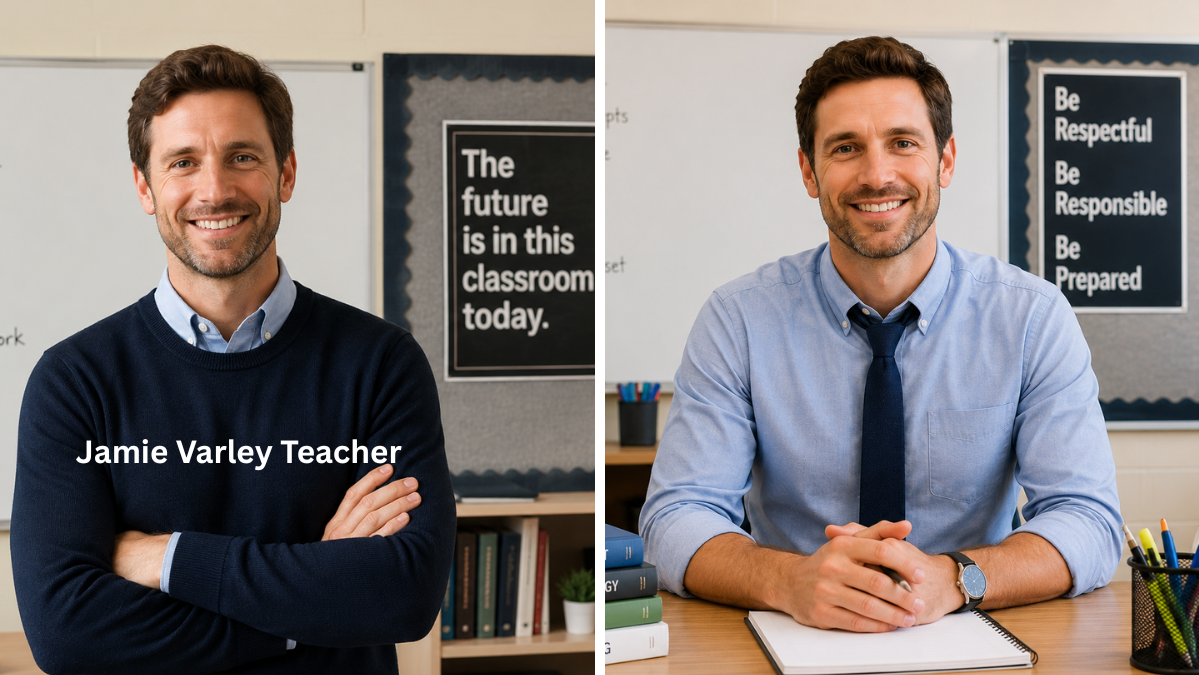
When people search for information about jamie varley teacher, they are often looking for insight into the professional life, educational background, teaching methods, and influence of an educator who has made a meaningful impact on students and learning communities. Teachers play a unique role in society. They shape minds, inspire curiosity, and help students develop the confidence needed to navigate life successfully.
Education has always been more than the delivery of information. Great teachers create environments where students feel encouraged to ask questions, challenge ideas, and develop skills that extend beyond the classroom. The growing interest in learning more about educators reflects society’s appreciation for those who dedicate their careers to helping others grow academically and personally.
The story associated with Jamie Varley offers an opportunity to explore broader themes within education, including effective teaching strategies, student engagement, classroom leadership, and the evolving responsibilities of educators in the modern world. While individual teachers may have different approaches, the most successful educators often share common traits such as dedication, empathy, professionalism, and a commitment to lifelong learning.
Understanding the work of educators helps highlight the importance of teaching as a profession and demonstrates how positive classroom experiences can influence students for years after graduation.
The Importance of Teachers in Modern Society
Teachers occupy a position that extends far beyond academic instruction. They serve as mentors, role models, advisors, and advocates for student growth. In many cases, a teacher becomes one of the most influential figures in a young person’s life.
Education systems around the world depend on educators who can adapt to changing circumstances while maintaining high standards of learning. From technological advancements to evolving curriculum requirements, teachers must continually update their skills to meet student needs.
The role of a teacher has become increasingly complex over the past several decades. Today’s classrooms often include diverse learning styles, cultural backgrounds, and educational needs. Effective educators understand how to create inclusive environments that support all learners while encouraging academic excellence.
The public interest surrounding individuals such as jamie varley teacher highlights a broader recognition of the value educators bring to communities. Teachers help build future leaders, professionals, innovators, and responsible citizens.
A strong educational foundation influences economic growth, social development, and personal achievement. Behind every successful educational experience is usually a teacher who invested time, effort, and care into helping students reach their potential.
Understanding the Qualities of an Effective Educator
Successful teachers share a variety of characteristics that contribute to positive learning outcomes. These qualities are not limited to subject knowledge alone. Instead, they encompass communication skills, emotional intelligence, adaptability, and leadership abilities.
One of the most important qualities is patience. Students learn at different rates, and teachers must be able to adjust their methods accordingly. Patience allows educators to support struggling learners while continuing to challenge advanced students.
Communication also plays a critical role. Great teachers explain complex ideas in ways that students can understand. They listen carefully, encourage discussion, and create opportunities for meaningful interaction.
Another essential trait is enthusiasm. Passion for teaching often inspires students to develop interest in subjects they may have previously overlooked. Enthusiasm can transform a routine lesson into an engaging learning experience.
As discussions surrounding jamie varley teacher continue to attract attention, many people are interested in understanding how effective educators develop these skills and apply them in real classroom settings.
Empathy is equally important. Students face academic, social, and personal challenges that can affect their learning. Teachers who understand these challenges are better equipped to provide support and guidance.
Educational Leadership and Classroom Influence
Leadership is often associated with business executives or political figures, but teachers demonstrate leadership every day. Classroom leadership involves setting expectations, fostering respect, and creating a culture of learning.
Students frequently look to teachers for direction and inspiration. The attitudes displayed by educators can influence how students approach challenges, collaborate with peers, and pursue goals.
Educational leadership also involves decision-making. Teachers must evaluate student progress, adapt instructional methods, and address issues that arise within the classroom environment. These responsibilities require confidence, professionalism, and sound judgment.
The influence of educators extends beyond school walls. Many students remember specific teachers years later because of the encouragement and support they received during critical stages of development.
Strong classroom leaders establish trust. When students trust their teachers, they are more likely to participate actively, take intellectual risks, and engage deeply with learning materials.
The growing interest in jamie varley teacher reflects a broader appreciation for educators who demonstrate these leadership qualities and contribute positively to student development.
Core Responsibilities of Professional Teachers
Teaching involves a wide range of responsibilities that often go unnoticed by the public. While classroom instruction remains central, educators perform numerous tasks behind the scenes.
The following table highlights some of the key responsibilities associated with modern teaching.
| Responsibility | Description | Impact on Students |
|---|---|---|
| Lesson Planning | Preparing structured learning activities | Improves understanding and engagement |
| Assessment | Evaluating student progress | Identifies strengths and areas for improvement |
| Classroom Management | Maintaining a positive learning environment | Encourages focus and participation |
| Student Support | Providing guidance and assistance | Builds confidence and motivation |
| Communication | Interacting with parents and colleagues | Creates stronger educational partnerships |
| Professional Development | Continuing education and training | Ensures updated teaching practices |
| Curriculum Implementation | Delivering educational standards | Supports academic achievement |
Each responsibility contributes to a comprehensive educational experience. Teachers must balance these duties while maintaining high levels of professionalism and commitment.
The complexity of these responsibilities demonstrates why effective teaching requires significant preparation, expertise, and dedication.
The Evolution of Teaching Methods
Education has changed dramatically over time. Traditional lecture-based instruction has gradually given way to more interactive and student-centered approaches.
Modern classrooms often incorporate technology, collaborative learning, project-based assignments, and critical thinking exercises. These methods encourage students to become active participants in their own education.
Technology has introduced new opportunities for learning. Digital resources, online platforms, and interactive tools allow educators to present information in engaging and accessible ways. At the same time, teachers must ensure that technology enhances rather than replaces meaningful instruction.
Educational research continues to influence classroom practices. Teachers regularly adapt strategies based on evidence regarding student engagement, memory retention, and cognitive development.
Individuals interested in jamie varley teacher frequently seek to understand how educators navigate these changes while maintaining educational quality and student success.
The best teaching methods are often those that combine innovation with proven educational principles. Flexibility remains one of the defining characteristics of successful educators.
Building Positive Student Relationships
One of the most powerful aspects of teaching involves relationship building. Students are more likely to succeed when they feel respected, supported, and valued by their teachers.
Positive relationships create an environment where learning can flourish. Students become more comfortable asking questions, seeking help, and participating in discussions.
Teachers who invest time in understanding their students often gain valuable insights into learning preferences, strengths, and challenges. This understanding allows for more effective instruction and personalized support.
Relationships based on mutual respect encourage accountability and responsibility. Students are more likely to meet expectations when they feel connected to their learning environment.
A frequently cited educational principle states:
“Students may forget a lesson, but they rarely forget how a teacher made them feel.”
This statement captures the lasting influence teachers can have on their students.
The attention surrounding jamie varley teacher demonstrates the enduring public interest in educators who create meaningful connections and positive educational experiences.
Creating an Engaging Learning Environment
Student engagement remains one of the most important factors in academic success. Engaged learners tend to retain information more effectively and demonstrate stronger problem-solving skills.
Creating engagement requires careful planning and creativity. Teachers often use discussions, group activities, hands-on projects, and real-world examples to maintain student interest.
An engaging classroom encourages participation rather than passive observation. Students become active contributors to the learning process, which enhances understanding and confidence.
Variety is another important component. Different instructional methods help accommodate diverse learning styles and prevent monotony. Visual learners, auditory learners, and kinesthetic learners all benefit from varied approaches.
Teachers also encourage curiosity by presenting challenging questions and encouraging exploration. Curiosity serves as a powerful motivator that drives lifelong learning.
Educational professionals understand that engagement is not merely entertainment. Effective engagement combines interest with meaningful educational objectives.
Challenges Faced by Teachers Today
Teaching remains one of the most rewarding professions, but it also presents significant challenges. Modern educators must navigate academic expectations, administrative responsibilities, technological changes, and diverse student needs.
Workload is a common concern. Teachers often spend hours preparing lessons, grading assignments, attending meetings, and participating in professional development activities outside regular school hours.
Student well-being has become an increasingly important focus. Teachers frequently support students facing social, emotional, and personal challenges that affect academic performance.
Technology offers benefits but also creates new demands. Educators must learn new tools, manage digital resources, and address issues related to online learning and digital citizenship.
Another challenge involves maintaining student engagement in an era characterized by constant digital distractions. Teachers continually develop innovative strategies to keep students focused and motivated.
The conversation surrounding jamie varley teacher highlights the broader realities educators face as they work to balance these responsibilities while maintaining educational excellence.
Despite these challenges, many teachers remain deeply committed to their profession because they recognize the profound impact they can have on students’ lives.
Professional Development and Lifelong Learning
Effective educators understand the importance of continuous growth. Professional development enables teachers to stay current with educational research, teaching strategies, and curriculum changes.
Lifelong learning serves as a model for students. When teachers demonstrate curiosity and a commitment to improvement, they encourage students to adopt similar attitudes toward learning.
Professional development may include workshops, conferences, advanced degrees, certifications, collaborative projects, and independent study. These opportunities help educators refine their skills and expand their knowledge.
Educational environments continue to evolve. New technologies, teaching methodologies, and assessment strategies require teachers to remain adaptable and informed.
One insightful educational quote states:
“The best teachers are also the best learners.”
This perspective reflects the ongoing nature of professional growth within education.
Teachers who embrace learning are often better equipped to address emerging challenges and provide high-quality educational experiences.
The Role of Communication in Teaching Success
Communication forms the foundation of effective teaching. Whether explaining concepts, providing feedback, or interacting with parents, educators rely heavily on strong communication skills.
Clear communication improves understanding and reduces confusion. Students benefit when expectations, instructions, and objectives are presented in accessible ways.
Constructive feedback is particularly important. Effective feedback helps students recognize strengths while identifying opportunities for improvement. It encourages growth rather than discouragement.
Parent-teacher communication also contributes to student success. Collaboration between educators and families creates a supportive network that reinforces learning and development.
Communication extends beyond words. Teachers use body language, tone, visual aids, and classroom interactions to enhance understanding and engagement.
Many educators recognized for their effectiveness share a common ability to communicate complex ideas with clarity and confidence.
Educational Impact Beyond the Classroom
The influence of teachers often extends far beyond academic achievement. Educators help students develop critical thinking skills, resilience, confidence, and social awareness.
Many adults can identify teachers who influenced major life decisions, career choices, or personal growth. These lasting effects demonstrate the broader significance of education.
Teachers frequently encourage students to pursue goals they might not have considered possible. Through mentorship and support, educators help students recognize their potential.
Communities also benefit from strong educational leadership. Schools serve as important institutions that contribute to social development and economic progress.
The reputation associated with jamie varley teacher reflects the broader recognition that dedicated educators can positively influence individuals and communities alike.
Educational impact should not be measured solely by test scores. Personal growth, confidence, character development, and lifelong learning habits are equally valuable outcomes.
Why Great Teachers Leave Lasting Impressions
Certain teachers remain memorable long after students leave the classroom. Their influence often stems from a combination of knowledge, kindness, enthusiasm, and genuine concern for student success.
Memorable teachers create experiences that inspire learning rather than simply delivering information. They challenge students to think critically and encourage them to explore new perspectives.
Students often remember educators who believed in them during moments of uncertainty. Encouragement can have a profound effect on confidence and motivation.
Great teachers also model important values such as integrity, perseverance, respect, and responsibility. These lessons frequently remain relevant throughout life.
The public interest surrounding jamie varley teacher reflects society’s appreciation for educators who leave positive and lasting impressions on those they teach.
A teacher’s legacy is often measured not by awards or recognition but by the success and growth of former students.
Conclusion
The story and interest surrounding jamie varley teacher provide an opportunity to reflect on the broader importance of educators in modern society. Teachers do far more than deliver lessons. They inspire curiosity, foster critical thinking, build confidence, and help shape future generations.
Effective teaching requires knowledge, patience, communication, leadership, and a commitment to lifelong learning. Educators face numerous challenges, yet their influence remains one of the most powerful forces in personal and societal development.
Whether through classroom instruction, mentorship, or encouragement, dedicated teachers leave lasting impressions that extend far beyond graduation. Their contributions help students develop not only academic skills but also the character, resilience, and confidence needed for success in life.
As education continues to evolve, the value of passionate and committed teachers remains constant. Their work continues to strengthen communities, empower individuals, and create opportunities for future generations.
FAQ
Who is Jamie Varley teacher?
The term jamie varley teacher is commonly searched by individuals interested in learning more about an educator and the broader impact teachers have within educational settings. Publicly available information may vary, but interest typically focuses on teaching contributions, educational influence, and professional accomplishments.
Why are teachers important in student development?
Teachers play a critical role in academic growth, personal development, and skill building. They provide knowledge, guidance, encouragement, and mentorship that help students achieve their goals and develop confidence.
What qualities make an effective teacher?
Effective teachers are knowledgeable, patient, communicative, adaptable, and empathetic. They create engaging learning environments, build positive relationships, and support students in reaching their full potential.
How do teachers influence students beyond academics?
Teachers often help students develop critical thinking skills, confidence, resilience, leadership abilities, and social awareness. These qualities can have a lasting impact on personal and professional success.
What challenges do modern teachers face?
Modern teachers face challenges such as increasing workloads, technological changes, diverse student needs, curriculum requirements, and maintaining student engagement in a rapidly evolving educational landscape.
Why do some teachers leave a lasting impression on students?
Teachers who demonstrate genuine care, enthusiasm, and dedication often create memorable educational experiences. Their encouragement and mentorship can influence students long after formal education has ended.
How does professional development benefit teachers?
Professional development helps teachers stay updated with educational research, teaching methods, and technological advancements. Continuous learning improves instructional quality and enhances student outcomes.
Read also: Jeremy Clarkson Net Worth: The Remarkable Journey of a Television Icon, Journalist, and Entrepreneur