

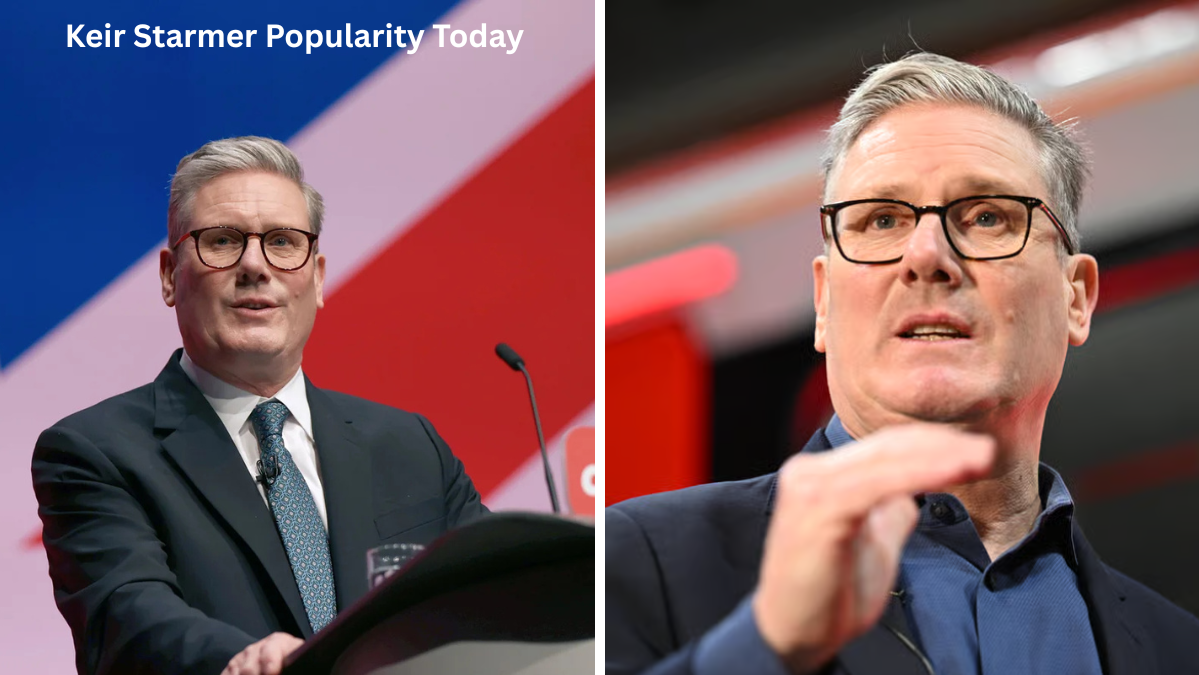
The political landscape of the United Kingdom has undergone dramatic shifts over the past decade. From Brexit and leadership changes to economic pressures and international challenges, voters have experienced a period of significant political turbulence. At the center of Britain’s current political conversation stands Prime Minister Keir Starmer, whose leadership has generated intense debate among supporters, critics, political analysts, and undecided voters alike.
Understanding keir starmer popularity today requires more than simply examining polling numbers. Popularity is influenced by economic conditions, party performance, media coverage, government decisions, public expectations, and the broader mood of the electorate. As Prime Minister, Starmer faces the difficult task of balancing campaign promises with the realities of governing a complex modern nation.
Since becoming Labour leader and later Prime Minister, Starmer has attempted to reshape both his party and the country’s political direction. His supporters argue that he offers stability, professionalism, and competence after years of political uncertainty. Critics, however, question whether his policies are sufficiently ambitious and whether his leadership style inspires voters in the way some previous political figures have managed.
This comprehensive analysis explores public sentiment, approval ratings, voter demographics, political strengths, challenges, and the factors shaping perceptions of Starmer in contemporary Britain.
The Political Journey That Brought Keir Starmer to Power
Keir Starmer’s rise to national leadership did not happen overnight. Before entering frontline politics, he built a respected legal career, eventually serving as Director of Public Prosecutions. This background helped establish his reputation as a serious and detail-oriented professional.
When Starmer entered Parliament, he quickly became known for his analytical approach and methodical style. Unlike politicians who rely heavily on charisma and dramatic rhetoric, he cultivated an image based on competence and expertise.
His election as Labour leader marked a significant turning point for the party. Labour had suffered electoral setbacks and internal divisions, creating pressure for a leader capable of rebuilding public trust. Starmer’s mission involved modernizing Labour’s image while maintaining support among traditional voters.
Many political observers believed his greatest challenge would be convincing voters that Labour could govern responsibly. Over time, his leadership strategy focused on presenting Labour as a credible alternative government rather than simply an opposition movement.
That strategy eventually paid dividends, helping Labour regain support across many regions and demographic groups. The foundation of current discussions surrounding keir starmer popularity today can be traced directly to this transformation period.
Understanding How Political Popularity Is Measured
Political popularity is rarely a straightforward concept. Approval ratings provide valuable insights, but they represent only one part of a much larger picture.
Pollsters typically evaluate public opinion through several indicators:
| Measurement Type | What It Measures | Importance |
|---|---|---|
| Approval Rating | Satisfaction with leadership | High |
| Favorability Rating | Personal perception | High |
| Voting Intention | Electoral support | Very High |
| Trust Metrics | Confidence in decision-making | High |
| Economic Confidence | Views on economic management | Very High |
| Issue Competence | Ability to handle key issues | High |
Popularity can fluctuate rapidly depending on major events. Economic developments, international crises, public services, taxation decisions, and political controversies all influence voter attitudes.
Political analysts often caution against focusing solely on headline approval numbers. A leader may have moderate personal ratings while maintaining strong electoral support through broader party confidence.
For Starmer, public perception reflects not only opinions about his personality but also judgments regarding Labour’s overall performance in government.
Public Perception of Leadership Style
One of the most distinctive elements of Starmer’s political identity is his leadership style. He is frequently described as calm, disciplined, and pragmatic.
Supporters view these qualities as essential strengths. In an era often characterized by political drama and polarization, many voters appreciate a leader who appears measured and professional.
Political commentator Matthew Goodwin once observed:
“British voters often say they want competence and stability, especially after periods of uncertainty.”
This observation helps explain why some segments of the electorate respond positively to Starmer’s approach.
However, leadership style can be both an asset and a challenge. Critics sometimes argue that Starmer’s careful communication lacks emotional resonance. They contend that voters often connect strongly with leaders who project passion, charisma, or bold vision.
The debate surrounding his style remains central to discussions about keir starmer popularity today because leadership perception frequently influences broader political support.
Economic Performance and Its Influence on Public Opinion
Economic conditions have historically played a major role in determining political popularity. Regardless of ideology, governments are often judged primarily by their ability to improve living standards.
For Starmer, economic management represents one of the most important tests of leadership. Issues such as inflation, wages, housing affordability, energy costs, and public spending directly affect public sentiment.
When economic indicators improve, governing parties typically benefit. Conversely, periods of economic hardship often produce declining approval ratings.
Many voters evaluate governments through practical questions:
- Are household finances improving?
- Is employment stable?
- Are public services functioning effectively?
- Is economic growth increasing?
- Are taxes perceived as fair?
Starmer’s government faces the challenge of delivering tangible results while managing fiscal constraints. Public expectations remain high, particularly among voters who hoped for meaningful change after previous administrations.
Economic perceptions therefore remain a major factor shaping political popularity across the United Kingdom.
The Role of Healthcare in Shaping Support
Healthcare consistently ranks among the most important issues for British voters. The National Health Service occupies a unique place in public consciousness and often serves as a benchmark for governmental competence.
Starmer’s approach to healthcare reform has attracted significant attention. Voters frequently judge political leaders based on waiting times, hospital capacity, staffing levels, and overall service quality.
Healthcare discussions are emotionally powerful because they affect citizens directly. Families experiencing difficulties accessing treatment may develop negative views of government performance regardless of success in other areas.
Supporters argue that Labour’s traditional association with public services strengthens Starmer’s credibility in this area. Skeptics remain cautious, emphasizing that promises must ultimately be reflected in measurable improvements.
As healthcare challenges continue, public assessments of government performance are likely to remain closely linked to NHS outcomes.
How Different Voter Groups View Starmer
Public opinion is rarely uniform. Different demographic groups often evaluate political leaders through distinct lenses.
Younger voters tend to prioritize issues such as housing affordability, climate policy, higher education, and employment opportunities. Their assessment of Starmer often reflects expectations regarding social and economic reform.
Older voters may focus more heavily on pensions, healthcare, taxation, and national stability. For these voters, experience and competence frequently carry significant weight.
Regional differences also matter. Voters in major urban centers sometimes prioritize different concerns compared to those living in rural communities or post-industrial regions.
Political strategists understand that maintaining broad coalitions requires addressing diverse priorities simultaneously. Starmer’s challenge involves balancing competing demands without alienating key voter groups.
The complexity of these dynamics makes any assessment of keir starmer popularity today inherently multifaceted.
Media Coverage and Public Image
Media coverage remains one of the most influential forces in modern politics. Television, newspapers, radio, podcasts, and digital platforms all contribute to shaping public perceptions.
Starmer’s media profile has evolved significantly throughout his political career. Early coverage often emphasized his legal background and technocratic image. More recent reporting focuses on government performance and policy implementation.
Positive media narratives can reinforce perceptions of competence and leadership. Negative coverage can amplify criticism and create lasting reputational challenges.
Social media has added another layer of complexity. Political discussions now unfold continuously across multiple platforms, where narratives spread rapidly and public reactions become highly visible.
The modern media environment means leaders are evaluated not only on policy outcomes but also on communication effectiveness and crisis management skills.
The Importance of Trust in Political Leadership
Trust is one of the most valuable assets any political leader can possess. Voters may disagree with specific policies while still supporting leaders they perceive as honest and competent.
Starmer has often emphasized integrity and professionalism. His supporters argue that these qualities distinguish him from some political figures associated with controversy or scandal.
Trust influences public reactions during difficult periods. Leaders who maintain credibility often receive greater patience when confronting challenges.
Political scientist David Runciman noted:
“Trust is difficult to build, easy to lose, and essential for democratic leadership.”
This principle applies strongly to contemporary British politics. Public confidence can shape everything from economic expectations to electoral outcomes.
Trust metrics therefore remain a critical component when evaluating overall popularity.
Foreign Policy and International Standing
Prime ministers are increasingly judged not only on domestic issues but also on their international performance.
Global conflicts, trade relationships, climate negotiations, and diplomatic partnerships all contribute to public perceptions of leadership effectiveness.
Starmer’s international engagements have helped define his image as a statesman on the global stage. Supporters often point to diplomatic professionalism and alliance-building efforts as evidence of responsible leadership.
Foreign policy rarely dominates everyday political discussions, but major international events can significantly influence public opinion.
Successful crisis management abroad can strengthen perceptions of competence at home, while diplomatic difficulties may generate criticism.
The interconnected nature of modern politics means international leadership remains an important factor in overall public approval.
Challenges Facing the Current Government
Every government encounters obstacles, and Starmer’s administration is no exception.
Key challenges include:
- Economic recovery pressures
- Public service demands
- Housing shortages
- Infrastructure modernization
- Energy security concerns
- Immigration debates
- Climate commitments
These issues require long-term solutions rather than quick fixes. As a result, public patience often becomes a crucial political resource.
Governments must demonstrate progress while acknowledging practical limitations. Failure to manage expectations can lead to dissatisfaction even when improvements occur.
Political popularity often depends less on eliminating problems entirely and more on convincing voters that meaningful progress is being made.
Comparing Starmer With Previous Prime Ministers
Historical comparisons are inevitable in British politics. Voters frequently evaluate current leaders against predecessors.
Starmer’s leadership style differs significantly from several recent prime ministers. Whereas some leaders relied heavily on personal charisma and media presence, Starmer emphasizes policy detail and institutional competence.
Comparisons reveal both advantages and disadvantages. His measured approach appeals to voters seeking stability, yet some observers believe it can make it harder to generate enthusiasm.
Each prime minister faces unique circumstances, making direct comparisons imperfect. Nevertheless, historical context helps explain contemporary perceptions and expectations.
Understanding these comparisons provides valuable insight into the broader discussion surrounding leadership effectiveness.
Public Expectations and the Burden of Governance
Opposition leaders and governing leaders often face very different public expectations.
While in opposition, politicians can focus on criticism and vision. Once in government, they become responsible for delivering results.
This transition frequently affects popularity. Voters who support change may become impatient when reforms take longer than expected.
Starmer now faces the realities of governing, where difficult trade-offs are unavoidable. Decisions involving budgets, taxation, public spending, and policy priorities inevitably create winners and losers.
Managing expectations therefore represents one of the most important aspects of sustaining public support.
Regional Political Dynamics Across Britain
The United Kingdom contains diverse political cultures and regional identities.
England, Scotland, Wales, and Northern Ireland each present unique political environments. Even within England, voting patterns vary significantly between regions.
Starmer’s ability to maintain broad appeal across these different areas influences national popularity. Success in one region does not automatically translate into support elsewhere.
Regional economic conditions, local governance concerns, and cultural identities all contribute to political attitudes.
Understanding these variations helps explain why national popularity can sometimes mask significant differences across the country.
Opposition Criticism and Political Debate
Healthy democratic systems rely on vigorous debate and scrutiny.
Opposition parties regularly challenge government decisions, presenting alternative policies and highlighting perceived shortcomings.
Critics of Starmer argue that certain reforms have not gone far enough. Others contend that government priorities should be adjusted to address different concerns.
Supporters counter that pragmatic governance requires balancing ambition with practicality.
These debates are a normal feature of democratic politics and contribute to evolving public perceptions. They also influence media narratives and polling trends.
Political popularity is rarely static because public evaluations continually respond to new arguments, developments, and events.
The Future Outlook for Starmer’s Leadership
Predicting political futures is notoriously difficult. Public opinion can shift quickly in response to economic developments, policy outcomes, and unexpected events.
Several factors are likely to influence future perceptions:
- Economic growth rates
- NHS performance
- Housing availability
- Cost-of-living trends
- International developments
- Public service improvements
If voters perceive meaningful progress in these areas, support could strengthen significantly. Conversely, persistent challenges may generate dissatisfaction.
Political history demonstrates that popularity often depends on whether governments meet expectations rather than simply whether conditions improve.
The future trajectory of keir starmer popularity today will therefore depend heavily on results achieved over the coming years.
Why Popularity Matters in Modern Politics
Popularity is more than a matter of personal image. It affects political capital, legislative effectiveness, party unity, and electoral prospects.
Leaders with strong public support often find it easier to implement policies and maintain authority within their parties.
However, popularity alone does not guarantee successful governance. Effective leadership also requires strategic decision-making, administrative competence, and long-term planning.
Starmer’s political challenge involves balancing immediate public expectations with broader national objectives.
This balancing act defines modern democratic leadership and helps explain why popularity remains such a closely watched indicator.
Conclusion
The discussion surrounding keir starmer popularity today reflects the complexity of contemporary British politics. Public opinion is shaped by economic conditions, healthcare performance, leadership style, trust, media narratives, regional dynamics, and policy outcomes.
Starmer has built a reputation for professionalism, discipline, and competence. These qualities have attracted support among voters seeking stability after years of political turbulence. At the same time, critics continue to debate whether his approach delivers the level of transformation some voters desire.
As Prime Minister, he faces the demanding reality that popularity ultimately depends on results. Economic progress, public service improvements, and effective governance will likely determine how future generations assess his leadership.
While polling figures may fluctuate, the broader question remains whether voters believe their lives are improving under his administration. That perception, more than any individual statistic, will continue to shape public attitudes and define his political legacy.
FAQ
What is keir starmer popularity today based on?
Public opinion is typically measured through approval ratings, favorability surveys, voting intention polls, trust indicators, and perceptions of government performance. These combined metrics provide a broader understanding of how voters view Starmer’s leadership.
Why do some voters support Keir Starmer?
Supporters often cite his professionalism, experience, pragmatic decision-making, and focus on stable governance. Many voters appreciate his measured approach and emphasis on competence in government.
Why do critics question Starmer’s leadership?
Critics argue that some policies lack boldness or transformative ambition. Others believe government reforms should move faster or address different priorities more aggressively.
How does the economy affect keir starmer popularity today?
Economic conditions are one of the strongest influences on political popularity. Inflation, employment, wages, taxation, and living standards directly affect how voters evaluate government performance and leadership effectiveness.
Does media coverage influence public opinion about Starmer?
Yes. Traditional media and social media both play important roles in shaping political narratives. Positive coverage can strengthen public confidence, while negative reporting can amplify criticism and concerns.
Can popularity change quickly in politics?
Political popularity can change rapidly due to economic developments, policy decisions, international events, scandals, or major national issues. Public opinion is dynamic and often responds to current circumstances.
What factors could improve Starmer’s popularity in the future?
Sustained economic growth, improved public services, reduced healthcare pressures, increased housing availability, and successful policy implementation could all contribute to stronger public support over time.
Read also: Rachel Reeves Net Worth: A Detailed Look at Her Wealth, Career, Income, and Financial Journey