

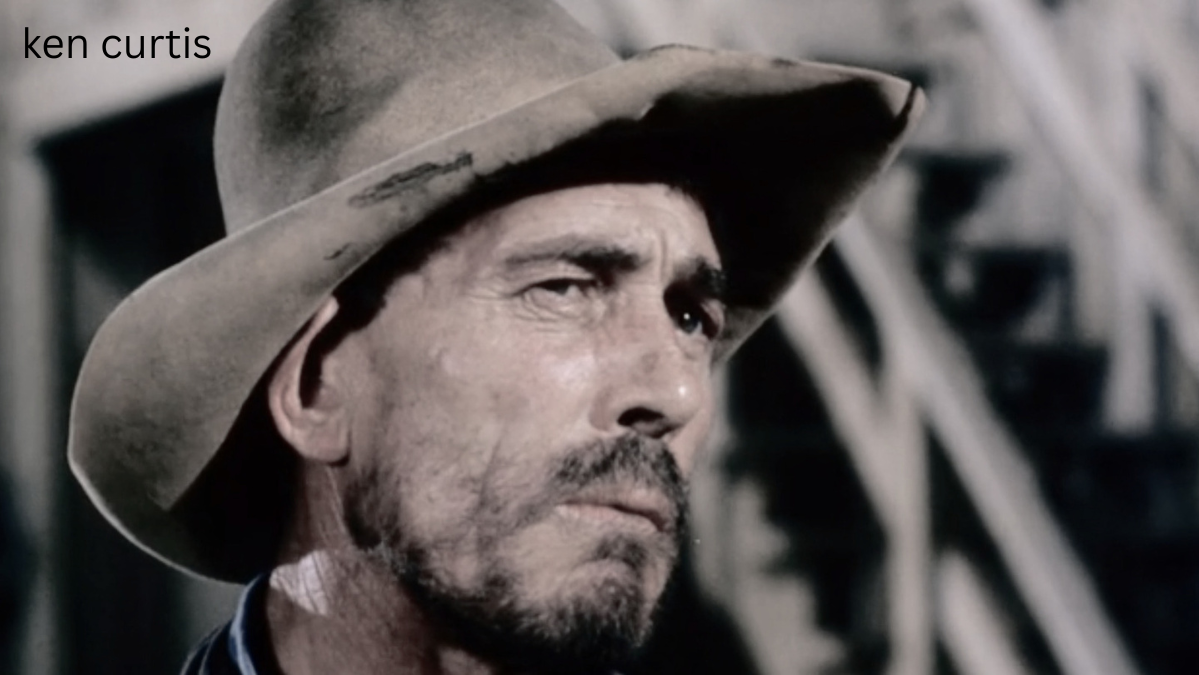
Ken Curtis stands as one of the most recognizable faces in American Western entertainment, known for his distinctive voice, rugged charm, and unforgettable role in television history. His journey from a small-town upbringing to becoming a household name in classic Westerns reflects a career built on talent, persistence, and versatility.
Ken Curtis is often remembered for his iconic portrayal of Festus Haggen in Gunsmoke, but his career extended far beyond a single role. He worked as a singer, actor, and performer across multiple decades, leaving behind a legacy that continues to influence Western storytelling today.
Early Life and Background of Ken Curtis
Ken Curtis grew up in a modest environment that shaped his grounded personality and strong work ethic. Born in the American West, he was exposed early to rural life, storytelling traditions, and musical influences that later became central to his entertainment career.
Before stepping into Hollywood, Ken Curtis developed a deep appreciation for music and performance. His early exposure to country culture helped him naturally connect with Western-themed storytelling, which would eventually define his career path in the entertainment industry.
Musical Beginnings and Early Career
Ken Curtis began his career not as an actor but as a singer with a strong baritone voice. His early work in music helped him gain attention in radio and live performances, where his vocal style stood out among country and folk audiences.
During this stage of his career, Ken Curtis performed with notable bands and even worked alongside major musical groups of the era. His experience in music gave him the confidence and stage presence that later translated seamlessly into acting roles in film and television.
Transition to Hollywood Westerns
The shift from music to acting marked a major turning point for Ken Curtis. Hollywood Westerns were gaining massive popularity, and his rugged voice and authentic cowboy image made him a natural fit for the genre.
Ken Curtis quickly began appearing in supporting roles in Western films, where he built a reputation for reliability and charisma. Directors appreciated his ability to bring realism and emotional depth to characters that might otherwise have felt one-dimensional.
Gunsmoke and Festus Haggen Era
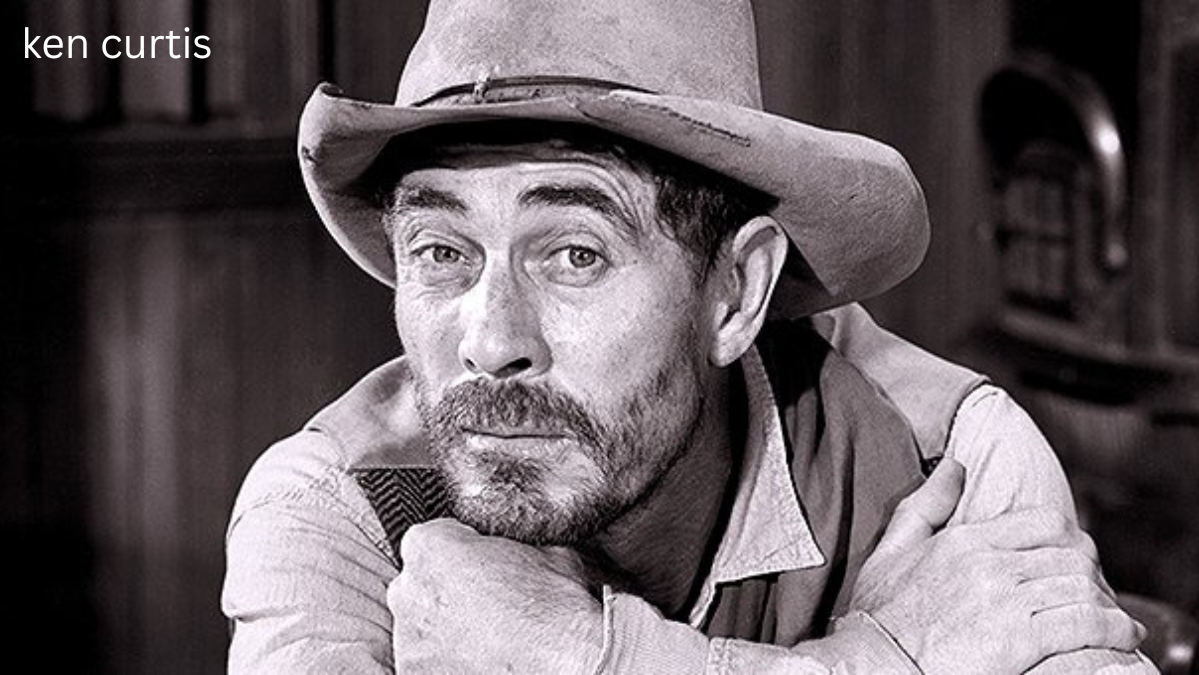
One of the most defining moments in Ken Curtis’s career was his role in Gunsmoke. His portrayal of Festus Haggen became legendary, transforming him into a television icon and solidifying his place in Western history.
Audiences connected deeply with Ken Curtis in this role because of his unique blend of humor, grit, and sincerity. Festus Haggen was not just a side character but a vital part of the show’s emotional core, often delivering both comedic relief and heartfelt moments.
Ken Curtis once reflected on his experience in television, saying, “Festus wasn’t just a character to me; he was a reflection of the everyday man trying to do right in a complicated world.” This perspective helped elevate the character beyond typical Western stereotypes.
Acting Style and On-Screen Persona
Ken Curtis developed a distinctive acting style that blended natural humor with grounded emotional expression. His performances often felt effortless, even when portraying complex or morally driven characters in Western narratives.
His on-screen persona was built around authenticity. Unlike many actors who relied heavily on theatrical delivery, Ken Curtis brought subtlety and realism to his roles, making his characters relatable to audiences across generations.
Filmography Overview and Table
Ken Curtis built an extensive career across film and television, appearing in numerous Western productions that defined the golden age of the genre. His filmography reflects both versatility and long-term commitment to storytelling.
Below is a simplified overview of selected works that highlight his career contributions:
| Title | Year | Role | Type |
|---|---|---|---|
| Gunsmoke | 1964–1975 | Festus Haggen | TV Series |
| The Searchers | 1956 | Trooper | Film |
| Rio Grande | 1950 | Soldier | Film |
| The Quiet Man | 1952 | Francis Ford Band Member | Film |
| Wagon Master | 1950 | Sandy Owens | Film |
Ken Curtis appeared in many more productions beyond this list, contributing to the growth of Western cinema during its peak era. His consistent performances helped define the tone and structure of mid-20th-century Western storytelling.
Personal Life and Off-Screen Interests
Outside of acting, Ken Curtis lived a life deeply connected to music and nature. He often enjoyed spending time away from Hollywood, preferring quieter environments that reflected his early upbringing.
Friends and colleagues described him as approachable, humorous, and down-to-earth. Despite his fame, Ken Curtis maintained a strong sense of humility, which made him well-liked both on and off set.
Legacy in Western Entertainment
The legacy of Ken Curtis continues to resonate strongly within the Western genre. His contributions helped shape how Western characters were portrayed on television, especially in long-running series like Gunsmoke.
Ken Curtis influenced future generations of actors who admired his ability to balance humor and seriousness within a single role. His work remains a reference point for authenticity in Western acting.
Influence on Pop Culture
Ken Curtis became more than just a television actor; he became a cultural symbol of the American West. His character Festus Haggen remains widely recognized even decades after the original broadcast of Gunsmoke ended.
His influence can still be seen in modern Western films and series that borrow elements of his acting style. The blend of humor, grit, and humanity he brought to his roles continues to inspire writers and performers today.
Later Years and Final Works
In his later years, Ken Curtis gradually stepped back from acting while still making occasional appearances in special productions and retrospectives. His legacy was already firmly established by this time.
Even after reducing his on-screen presence, Ken Curtis remained respected within the entertainment industry. His earlier work continued to be celebrated, ensuring that his contributions to Western television would never be forgotten.
Conclusion
Ken Curtis remains a defining figure in the history of American Western entertainment. His journey from singer to beloved television actor demonstrates a rare combination of adaptability, talent, and authenticity.
Through iconic roles, especially in Gunsmoke, he helped shape the emotional and cultural identity of the Western genre. His work continues to be appreciated by fans of classic television and film, ensuring his legacy remains alive across generations.
Ken Curtis ultimately represents more than just an actor; he symbolizes a golden era of storytelling where character depth, simplicity, and honesty defined entertainment.
FAQ
What made Ken Curtis famous in television history?
Ken Curtis became famous primarily for his role as Festus Haggen in Gunsmoke. His performance brought humor and emotional depth to the series, making him a fan favorite.
Was Ken Curtis only an actor?
No, Ken Curtis was also a talented singer before his acting career. He performed in musical groups and developed a strong foundation in vocal performance.
How did Ken Curtis start his Hollywood career?
Ken Curtis started by working in music and gradually transitioned into film roles in Westerns, where his natural cowboy persona helped him gain recognition.
Why is Ken Curtis important in Western films?
Ken Curtis is important because he helped shape the emotional tone of Western storytelling. His performances added realism and relatability to the genre.
What is Ken Curtis’s most memorable role?
Ken Curtis is best known for playing Festus Haggen in Gunsmoke, a role that became one of the most iconic characters in television Western history.
How is Ken Curtis remembered today?
Ken Curtis is remembered as a classic Western icon whose work continues to influence television and film storytelling. His legacy remains strong in the entertainment world.