

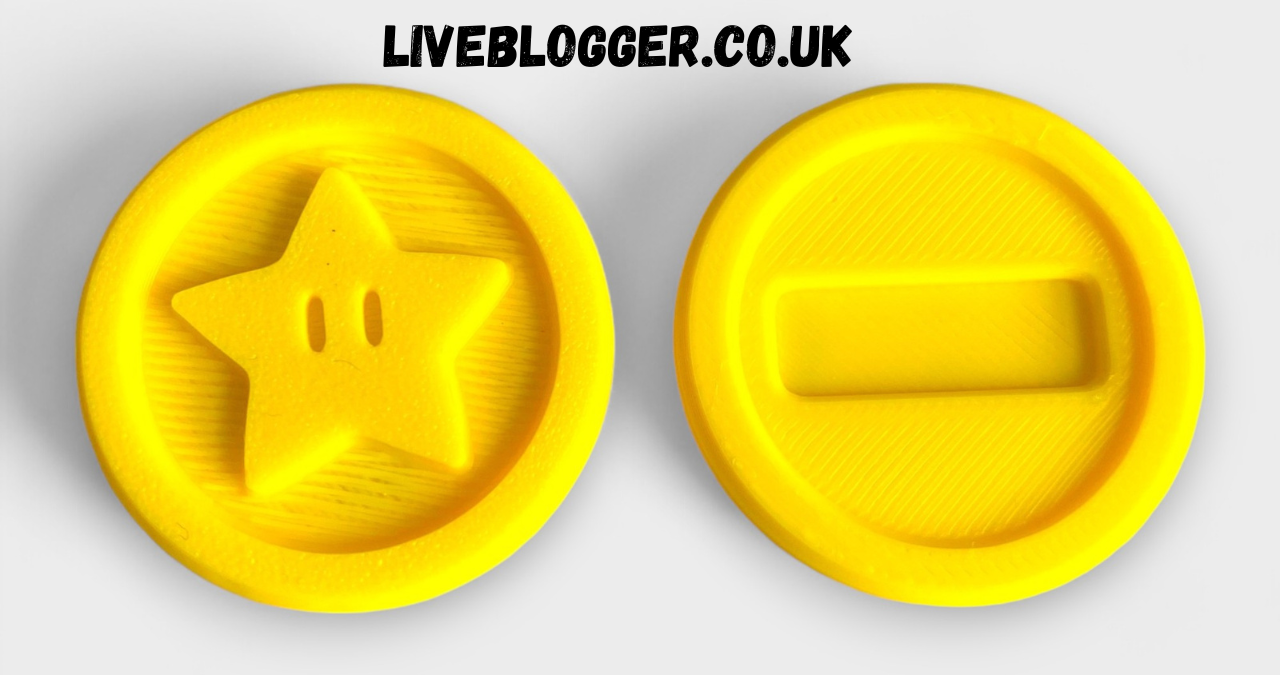
Introduction to the Mario Coin
The Mario coin is far more than a simple in-game collectible; it is one of the most recognizable symbols in video game history. Since its debut in Super Mario Bros., the Mario coin has represented progress, reward, and achievement for millions of players around the world. Small, golden, and spinning in midair, these coins quickly became a core element of gameplay, encouraging exploration and mastery. At a time when platform games were still defining their mechanics, the introduction of collectible coins created a simple yet powerful incentive system. Players were not only motivated to reach the end of a level but also to interact with every block, hidden area, and secret pathway along the way. This dual objective—completion and collection—added depth to what might otherwise have been a straightforward run-and-jump experience. The coin’s iconic shimmer and satisfying sound effect established an emotional connection between player and reward, reinforcing positive feedback loops that are still used in modern game design today.
As the Mario franchise evolved, so too did the importance of the Mario coin. What began as a pixelated gold oval in an 8-bit world transformed into a fully rendered, animated object in 3D environments. Despite technological advances, the fundamental purpose of the Mario coin remained consistent: to reward curiosity and skill. Coins serve as a universal language within the series, understood instantly by both new players and longtime fans. Their presence creates rhythm within levels, guiding players through safe paths or tempting them toward risky jumps. Over decades, the Mario coin has become synonymous with Nintendo’s design philosophy—accessible, intuitive, and endlessly engaging. Its enduring presence demonstrates how a simple mechanic, when executed thoughtfully, can become a cultural icon that transcends generations of gaming hardware.
Gameplay Mechanics Behind Mario Coins
From a gameplay perspective, Mario coins are a masterclass in reward system design. In classic 2D entries, collecting 100 coins grants the player an extra life, creating a clear and measurable goal within each level. This mechanic encourages thorough exploration and adds strategic value to coin placement. Players must decide whether to risk falling into a pit to grab a string of floating coins or to prioritize safety and reach the goal quickly. The coin system subtly teaches players about timing, spatial awareness, and level structure. Hidden coins tucked inside question blocks or concealed in invisible blocks further promote experimentation. These mechanics transform coins from passive decorations into active tools that shape player behavior. The steady accumulation of coins builds anticipation, making each collected piece feel like a step toward tangible progress. In this way, Mario coins are not merely decorative—they are deeply embedded into the pacing and challenge structure of each level.
The transition to 3D gameplay in Super Mario 64 expanded the coin system dramatically. Coins were no longer confined to linear pathways but scattered across open environments, encouraging free exploration. Special variations such as Red Coins introduced mission-based objectives, requiring players to locate a set number within a stage to unlock rewards. Later titles like New Super Mario Bros. introduced Star Coins, larger collectibles that demanded precision and puzzle-solving skills. These variations added layers of complexity, ensuring that coins remained relevant even as the series innovated. The consistent integration of coin mechanics across both 2D and 3D formats highlights their adaptability. Regardless of perspective or platform, Mario coins maintain their core function: guiding players, rewarding mastery, and reinforcing the joy of discovery that defines the Mario experience.
Design, Symbolism, and Audio Identity
The visual design of the Mario coin plays a significant role in its enduring appeal. Its bright gold color contrasts sharply against varied backgrounds, ensuring visibility even in fast-paced platforming sequences. In early pixelated form, the coin’s minimal design allowed it to stand out clearly despite hardware limitations. As graphics improved, the coin gained depth, shine effects, and smooth animations, yet it retained its instantly recognizable silhouette. This balance between evolution and consistency reflects thoughtful design philosophy. The spinning animation communicates value and interactivity, signaling to players that the object is collectible and beneficial. Unlike cluttered or overly detailed items in some modern games, the Mario coin remains elegantly simple. Its clarity reduces cognitive load, allowing players to focus on movement and timing without confusion. This clarity of design contributes to its effectiveness as both a gameplay mechanic and a visual icon within the broader Nintendo universe.
Equally important is the coin’s unmistakable sound effect—a brief, high-pitched chime that delivers immediate gratification. That sound has become one of the most iconic audio cues in gaming history, reinforcing positive reinforcement through auditory feedback. Each time a player collects a coin, the sound acts as confirmation of success, subtly triggering a sense of accomplishment. In psychological terms, this creates a micro-reward loop that encourages continued engagement. The symbolic meaning of Mario coins extends beyond gameplay mechanics; they represent progress, curiosity, and achievement. Coins often mark hidden secrets or reward daring maneuvers, reinforcing the idea that exploration leads to value. This symbolic layer transforms coins into more than digital currency—they become representations of player growth. Through thoughtful integration of visual simplicity and satisfying audio feedback, the Mario coin stands as a textbook example of how design elements can shape emotional experiences in interactive media.
Cultural Impact and the Future of Mario Coins

The influence of the Mario coin extends far beyond the Mario franchise itself. Countless platformers have adopted similar collectible currency systems, demonstrating how foundational this mechanic has become in game design. The idea that gathering items contributes to score, progression, or unlockables can be traced directly to the success of early Mario titles. In popular culture, Mario coins appear on merchandise, clothing, collectibles, and even themed attractions. Their instantly recognizable shape and golden shine make them powerful branding symbols for Nintendo. In modern entries such as Super Mario Odyssey, coins continue to play a central role, often integrated with region-specific currencies that expand on the traditional formula. These innovations show that while the core concept remains simple, it can be adapted to suit new gameplay styles and technological advancements without losing its identity.
Looking ahead, the future of Mario coins seems closely tied to emerging gaming technologies. As virtual reality and augmented reality platforms grow, collectible systems like coins may become even more immersive and interactive. Imagine physically reaching out to grab coins in a fully realized 3D environment or discovering hidden collectibles layered onto real-world spaces. The flexibility of the Mario coin mechanic makes it well suited for such innovation. At the same time, its timeless simplicity ensures it will not be overshadowed by technological complexity. The Mario coin has endured because it aligns perfectly with universal gaming principles: clear goals, immediate rewards, and satisfying feedback. Whether in 8-bit side-scrollers or expansive 3D adventures, the coin remains a unifying thread across decades of design evolution. Its continued relevance proves that strong foundational mechanics never go out of style.
Conclusion
The Mario coin is one of the most enduring and influential symbols in video game history. From its humble beginnings in early platformers to its sophisticated implementation in modern titles, it has consistently shaped player behavior and game design standards. By combining visual clarity, rewarding sound design, and meaningful gameplay integration, the Mario coin exemplifies how small mechanics can have massive impact. It teaches players to explore, take risks, and strive for mastery, all while delivering continuous positive reinforcement. This elegant simplicity has allowed it to remain relevant across generations of consoles and audiences.
More than just digital currency, Mario coins represent the heart of Nintendo’s design philosophy: accessible yet deep, simple yet endlessly engaging. Their cultural reach, influence on other games, and adaptability to new technologies ensure that they will continue to shine in future adventures. As long as players jump, explore, and chase that satisfying chime, the Mario coin will remain a golden standard in interactive entertainment.
Frequently Asked Questions (FAQs)
1. When did Mario coins first appear?
Mario coins first appeared in Super Mario Bros. in 1985 on the NES.
2. How many coins are needed to earn an extra life?
Traditionally, collecting 100 Mario coins grants the player one extra life.
3. What are Red Coins?
Red Coins are special collectibles often tied to specific missions or challenges within a level.
4. Are Star Coins different from regular coins?
Yes, Star Coins are larger, rarer collectibles usually required for unlocking additional content.
5. Why is the Mario coin sound so iconic?
Its short, high-pitched chime delivers immediate auditory feedback, reinforcing a sense of accomplishment.