

Introduction to the November Birth Flower
November is a month painted in warm amber tones, crisp air, and the quiet beauty of late autumn. While many people associate birthstones with their birth month, birth flowers carry an equally rich tradition filled with symbolism, cultural history, and emotional meaning. The November birth flower represents resilience, joy, and deep loyalty—qualities that perfectly mirror the season’s transition from vibrant fall to reflective winter. Understanding the November birth flower offers more than botanical knowledge; it provides insight into personality traits, cultural heritage, and meaningful gifting traditions.
There are two flowers traditionally associated with November birthdays: the Chrysanthemum and the Peony. Each bloom carries its own story, symbolism, and visual appeal. While chrysanthemums are more widely recognized as the primary November birth flower, peonies are sometimes listed as a secondary option due to their deep symbolic ties to prosperity and honor. Together, these flowers embody warmth, affection, and endurance—making them ideal representations of those born in this transformative month.
Chrysanthemum The Primary November Birth Flower
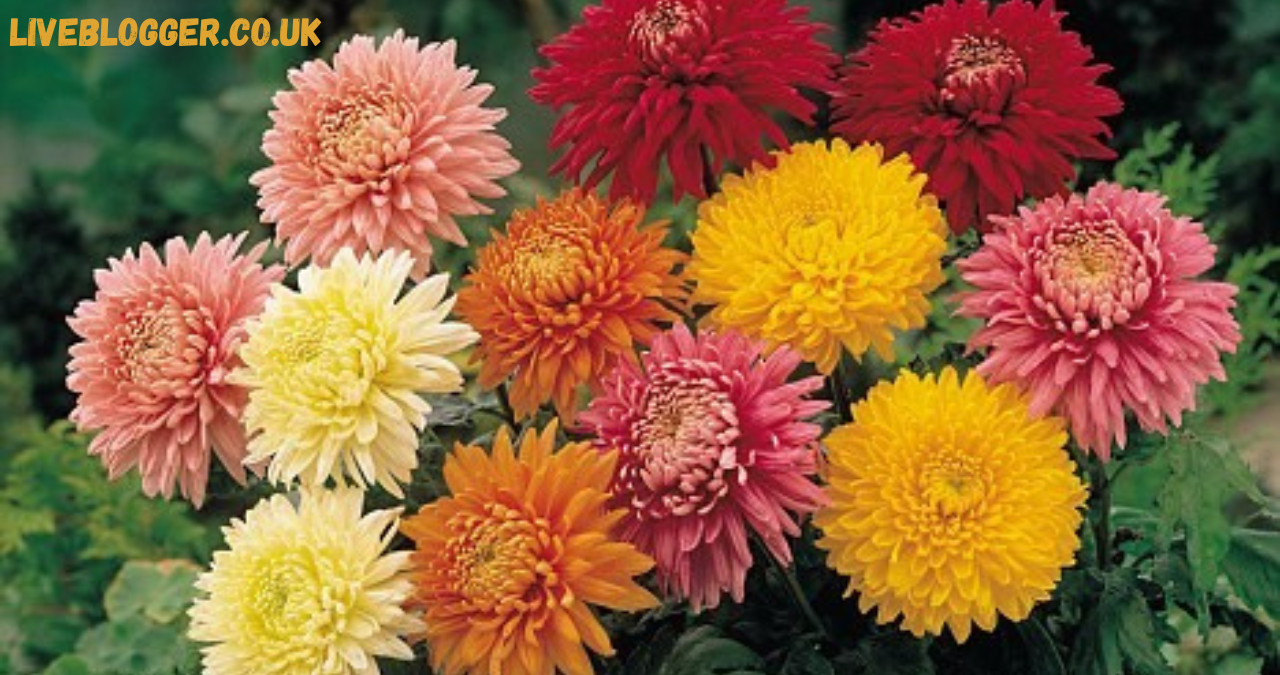
Chrysanthemums, often lovingly called “mums,” are among the most popular autumn flowers in the world. Originating in East Asia, particularly China, they have been cultivated for over 2,500 years. Botanically diverse, chrysanthemums bloom in a stunning range of shapes and colors, including red, yellow, white, pink, and purple. Their layered petals and full blossoms make them visually striking in gardens, bouquets, and seasonal décor. Because they bloom in late fall when many other flowers fade, chrysanthemums symbolize endurance and strength—qualities that resonate deeply with November-born individuals.
Symbolically, chrysanthemums represent loyalty, friendship, longevity, and happiness. However, their meaning shifts depending on color. Red chrysanthemums often symbolize love and passion, while yellow varieties represent joy and celebration. White chrysanthemums can symbolize purity and honesty in some cultures, but in parts of Europe, they are associated with remembrance and are often used in memorial settings. In Japan, chrysanthemums hold imperial significance and represent the sun and rejuvenation. This global range of meanings makes chrysanthemums one of the most culturally rich and versatile birth flowers. Whether gifted as a bouquet or grown in a garden, they carry messages of warmth and heartfelt emotion.
Peony: The Secondary November Birth Flower
Although peonies bloom primarily in late spring and early summer, they are sometimes associated with November due to their symbolic alignment with prosperity and honor. Peonies are known for their lush, full blooms and delicate fragrance. Their petals form soft, romantic layers that give the flower a luxurious and timeless appearance. Available in shades of pink, white, red, and coral, peonies are often featured in wedding bouquets and celebratory floral arrangements due to their association with romance and good fortune.
In symbolic terms, peonies represent wealth, compassion, honor, and a happy marriage. In Chinese culture, the peony is known as the “king of flowers” and is a traditional symbol of prosperity and feminine beauty. The flower frequently appears in classical art, textiles, and architecture. Its connection to abundance and success makes it a meaningful alternative birth flower for November. While chrysanthemums emphasize resilience and joy, peonies focus on prosperity and heartfelt affection. Together, they provide a dual perspective on the personality of those born in November—strong yet compassionate, joyful yet deeply grounded.
Cultural and Historical Significance
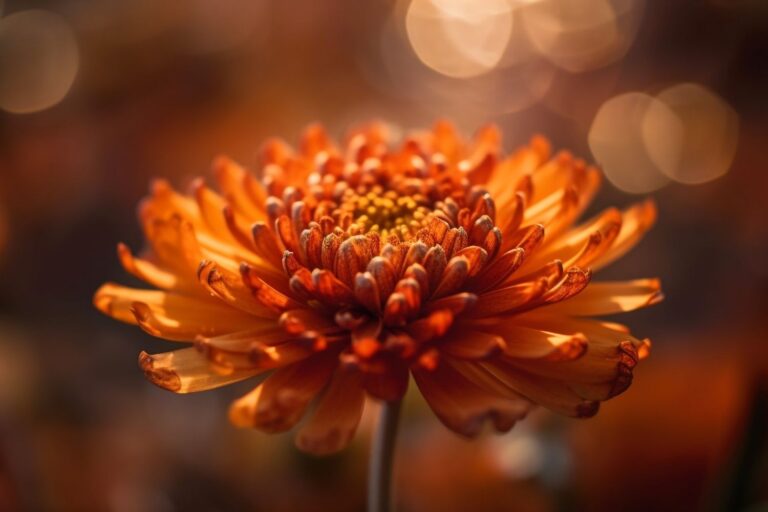
The chrysanthemum’s historical roots trace back to ancient China, where it was valued not only for its beauty but also for its medicinal properties. It later spread to Japan, where it became a symbol of the Emperor and the Imperial family. The Japanese even celebrate a national festival known as the Festival of Happiness, dedicated to appreciating chrysanthemums. In Western cultures, chrysanthemums arrived in the 17th century and quickly became popular ornamental plants. Over time, they developed different meanings depending on cultural context, demonstrating how flowers can carry diverse emotional interpretations.
Peonies also hold deep cultural importance, especially in Asia. In Chinese tradition, peonies symbolize royalty and honor, frequently appearing in imperial gardens. In Victorian England, flowers were used to send coded messages, and peonies often conveyed bashfulness or romance. Across cultures, both flowers reflect prosperity, dignity, and heartfelt emotion. Their long-standing presence in art, festivals, and ceremonies shows how birth flowers are not just decorative elements but powerful cultural symbols that transcend generations.
Symbolism and Personality Traits
People born in November are often described as passionate, loyal, intuitive, and resilient. The symbolism of chrysanthemums aligns beautifully with these traits. Their late-season bloom reflects strength in adversity, suggesting that November-born individuals thrive even in challenging conditions. The flower’s vibrant colors symbolize optimism and warmth, qualities that draw others toward them. Like the chrysanthemum, November personalities often possess a quiet strength paired with genuine kindness.
Peonies add another layer of symbolism to November birthdays. Their association with prosperity and honor reflects ambition and integrity. Those born in November may also display compassion, depth, and emotional intelligence—qualities mirrored in the peony’s soft yet abundant petals. Together, these flowers symbolize a balanced personality: strong but gentle, practical yet romantic. This combination makes November-born individuals uniquely captivating and emotionally grounded.
Choosing the Perfect November Birth Flower Gift
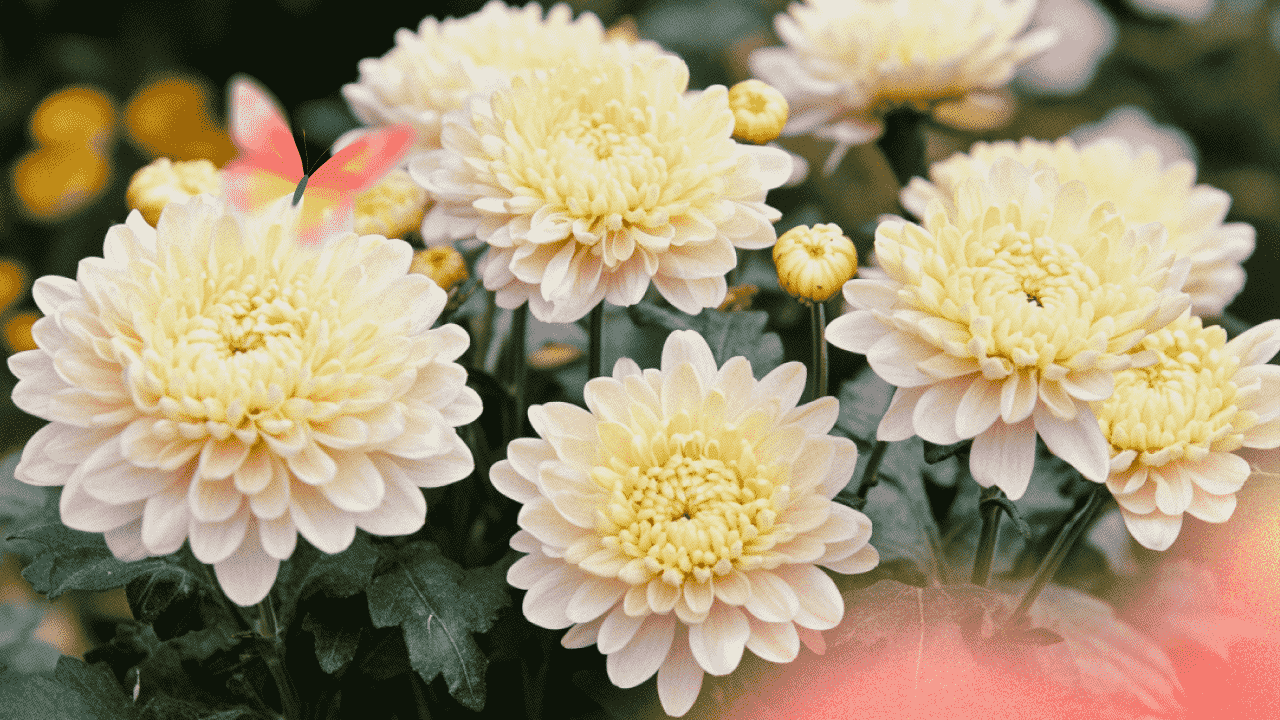
Selecting the perfect November birth flower depends on the message you wish to convey. Chrysanthemums are ideal for celebrating friendship, gratitude, and cheerful milestones. Their vibrant hues make them perfect for birthday bouquets, Thanksgiving centerpieces, or seasonal home décor. Potted chrysanthemums are also long-lasting gifts that continue blooming with proper care, making them both meaningful and practical.
Peonies, on the other hand, are excellent for romantic gestures or celebratory occasions like anniversaries and engagements. Because fresh peonies may not bloom in November, they can be gifted as preserved arrangements, artistic prints, or symbolic keepsakes. Pairing chrysanthemums with complementary autumn flowers such as roses or lilies can enhance the visual appeal and emotional impact of a bouquet. Ultimately, both flowers offer thoughtful ways to celebrate a November birthday with beauty and intention.
Growing November Birth Flowers at Home
Chrysanthemums are relatively easy to grow, making them a favorite among home gardeners. They thrive in well-drained soil and require full sunlight to produce abundant blooms. Regular watering and occasional pruning encourage healthy growth and extended flowering periods. Planting them in early spring ensures vibrant blossoms by fall. With proper care, chrysanthemums can return year after year, symbolizing enduring strength and renewal.
Peonies require patience but reward gardeners with breathtaking blooms. They prefer cooler climates and well-drained soil, often taking two to three years to fully establish. Once mature, however, peonies can live for decades with minimal maintenance. Their long lifespan further reinforces their symbolism of prosperity and lasting beauty. Growing these flowers at home allows individuals to connect personally with their birth month’s floral representation.
Conclusion
The November birth flower carries profound meaning rooted in history, culture, and symbolism. Chrysanthemums represent loyalty, joy, and resilience, while peonies symbolize prosperity, honor, and romance. Together, they capture the complexity and warmth of November-born individuals. Whether gifted in a bouquet, planted in a garden, or admired in art, these flowers provide a meaningful way to celebrate life, love, and seasonal beauty.
By understanding the symbolism and cultural heritage of November birth flowers, we deepen our appreciation for the language of flowers. They remind us that even in the cooler months, beauty continues to bloom with strength and grace.
Frequently Asked Questions (FAQs)
1. What is the official November birth flower?
The chrysanthemum is widely recognized as the primary November birth flower.
2. Why are there two November birth flowers?
Different cultural traditions recognize both chrysanthemums and peonies for their symbolic connections to November traits.
3. What does a chrysanthemum symbolize?
It symbolizes loyalty, joy, longevity, and friendship.
4. What does a peony symbolize?
Peonies represent prosperity, romance, honor, and good fortune.
5. Are chrysanthemums good birthday gifts?
Yes, they are vibrant, long-lasting, and full of positive symbolism.