

Introduction
The search phrase “Peter Orszag bald” has gained attention online, but it does not come from any verified news story or serious public issue. Instead, it is a combination of internet curiosity, search engine behavior, and the tendency of users to question the appearance of public figures.
To understand this properly, we need to look at who Peter Orszag is, how the rumor started, and why such search terms become popular even when they are not based on facts.
Who is Peter Orszag?
Peter Orszag is a highly respected American economist, policy advisor, and financial executive. He has built a strong reputation in both government and corporate sectors.
Major Roles in His Career
He is best known for:
- Serving as the Director of the U.S. Office of Management and Budget (OMB) under President Barack Obama
- Leading the Congressional Budget Office (CBO)
- Becoming the CEO and Chairman of Lazard, a global financial advisory firm
These positions placed him at the center of economic decision-making in the United States and global financial markets.
Academic and Professional Background
Peter Orszag studied economics and developed an early interest in public policy and financial systems. His academic work and research focused on:
- Economic forecasting
- Healthcare policy
- Federal budgeting systems
- Long-term fiscal sustainability
He has written and spoken extensively about how governments manage debt and economic growth.
What Does “Peter Orszag Bald” Mean?
The phrase itself is not linked to any official information. It is simply a search trend that developed over time.
There are no confirmed reports that:
- He has a medical condition related to hair loss
- He has publicly addressed baldness
- There is any controversy about his appearance
Instead, the phrase is mostly driven by curiosity and repeated online searches.
Why This Keyword Became Popular
1. Visual Observation
Public figures are constantly photographed and filmed. Small visual details can attract attention, including hairstyle, grooming, or changes in appearance.
2. Internet Curiosity Loop
Once a few users search a phrase like “Peter Orszag bald,” search engines begin suggesting it to others. This creates a loop where curiosity increases the trend.
3. Meme Culture
Online communities often turn normal or neutral characteristics of public figures into jokes or meme topics. Even harmless traits can become viral search terms.
4. Lack of Context in Images
People sometimes see older or differently lit images and assume changes in appearance that may not actually exist.
Is There Any Truth to the Claim?
Based on available public information, there is no evidence supporting the idea that Peter Orszag is bald.
Observations from Public Appearances:
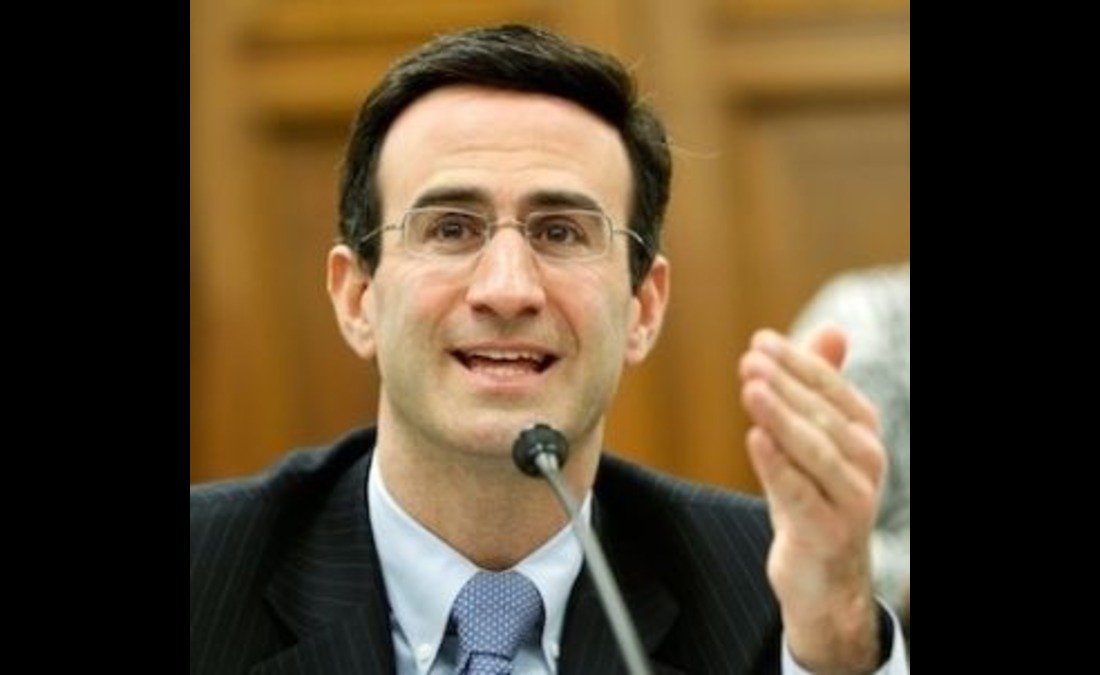
- He appears with hair in interviews and official events
- No verified sources report hair loss or baldness
- No statements from him address such an issue
Therefore, the keyword is not based on fact but rather internet-driven speculation.
How Search Engines Influence Trends
Search engines play a major role in shaping what people think is “popular.”
Search Suggestion Effect
When many users search a phrase, it becomes auto-suggested, which leads even more people to search it.
Algorithm Reinforcement
The more a phrase is clicked or typed, the more it is shown to others, regardless of whether it is meaningful or accurate.
Viral Behavior
Even unrelated or trivial phrases can become trending if enough people interact with them.
Public Perception vs Reality
In the digital world, perception often becomes stronger than reality.
For Peter Orszag, the reality is:
- He is known for economics and policy leadership
- His influence is in financial governance and corporate strategy
- His appearance is not relevant to his professional work
However, online culture sometimes focuses on minor details instead of achievements.
Why Public Figures Attract Appearance-Based Searches
There are psychological and social reasons behind this behavior:
Human Curiosity
People naturally observe and question physical traits.
Media Exposure
The more a person appears in public, the more details about them are discussed.
Social Media Amplification
Small observations can spread quickly through platforms like Twitter, Reddit, and YouTube comments.
The Reality of Online Rumors
The “Peter Orszag bald” keyword is an example of how rumors can form without any factual foundation.
Common patterns include:
- A small observation becomes exaggerated
- Search engines amplify it
- Users repeat it without verification
- It becomes a trending keyword
This does not mean the information is true—it only means it is frequently searched.
Importance of Fact Checking
This case shows why it is important to verify information before believing it.
Reliable information should always come from:
- Verified news sources
- Official statements
- Academic or professional records
Not from search suggestions or viral trends.
Conclusion
The phrase “Peter Orszag bald” is not based on any real event, medical condition, or verified report. It is simply a product of internet curiosity and search engine behavior.
Peter Orszag remains a well-known economist and financial leader whose reputation is built on policy expertise and leadership roles rather than physical appearance.
In summary, this trend highlights how easily online discussions can form around irrelevant details, even when they have no factual foundation.
FAQs
1. Is Peter Orszag actually bald?
No. There is no evidence or official information suggesting that Peter Orszag is bald.
2. Why is “Peter Orszag bald” trending online?
It is mainly due to internet curiosity, search engine suggestions, and meme-driven behavior.
3. Who is Peter Orszag?
He is an American economist and executive who served in major government roles and is now CEO of Lazard.
4. Is there any controversy about his appearance?
No, there is no verified controversy or serious discussion about his appearance.
5. What is Peter Orszag known for professionally?
He is known for economic policy leadership, government budgeting roles, and financial advisory work in the private sector.