

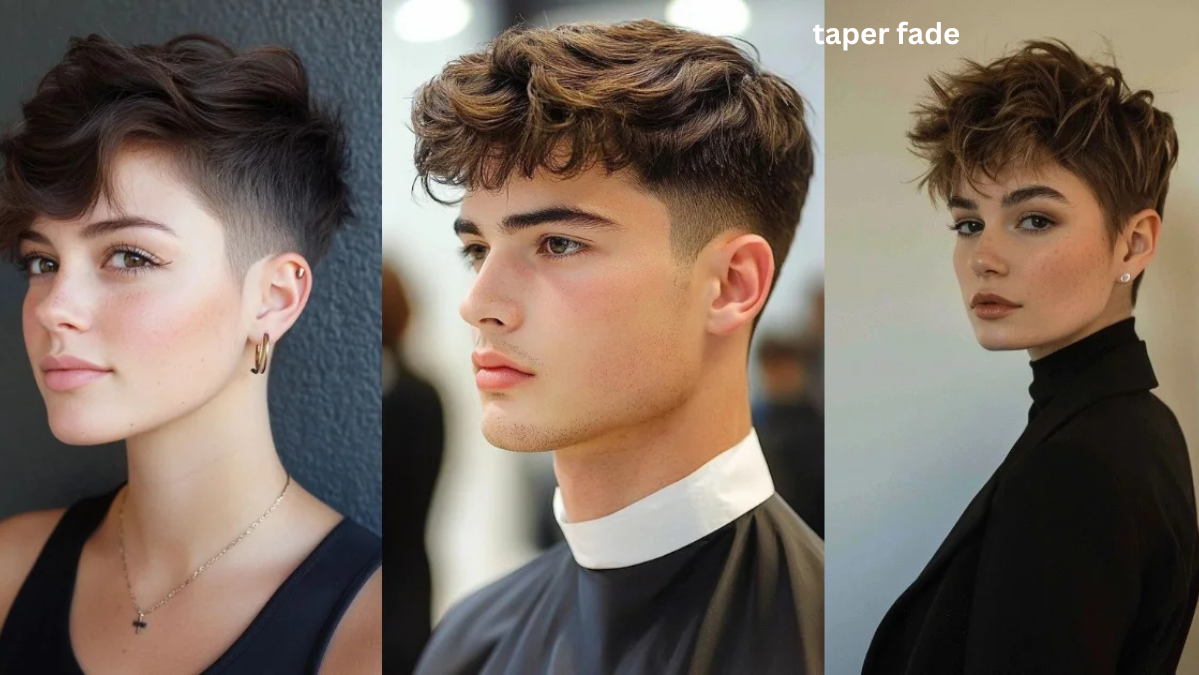
The taper fade has become one of the most recognizable and requested hairstyles in modern grooming, and for good reason. It’s clean, adaptable, and sharp without looking overdone. Whether you’re heading into a corporate meeting or stepping out for a casual weekend, this style fits effortlessly into almost any lifestyle. That balance between polished and relaxed is what keeps it consistently popular year after year.
What truly sets this haircut apart is how subtle yet intentional it looks. The gradual transition from shorter hair near the neckline to longer hair as you move upward creates a natural flow that enhances facial structure. It’s not loud or flashy, but it still makes a statement. That’s why barbers often recommend it to clients who want a dependable look that doesn’t require excessive daily styling.
Taper Fade Haircut Explained by Professionals
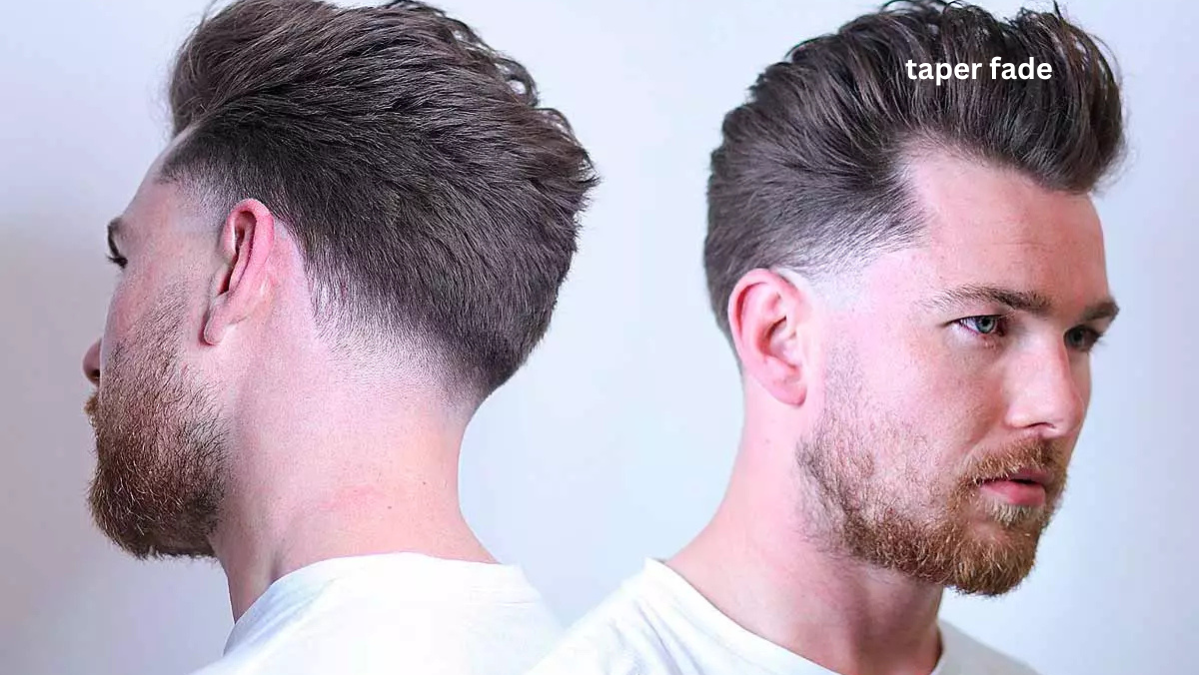
The taper fade is defined by a smooth, controlled reduction in hair length from the top down to the sides and back. Unlike harsher fades that create a dramatic contrast, this style blends gently into the skin or very short hair near the edges. This gradual shift is what gives it a refined and timeless appearance.
From a professional barber’s perspective, precision is everything with this cut. The transitions must be seamless, and the balance between the top length and the faded sides needs to match the client’s head shape. When done correctly, it enhances symmetry and makes the overall haircut look intentional rather than rushed. That attention to detail is why experienced hands matter when going for this look.
Why the Taper Fade Works for Every Hair Type
One of the biggest strengths of the taper fade is its versatility across different hair textures. Straight hair benefits from the clean outline and structured blend, while wavy hair gains definition without losing movement. Even curly hair works beautifully with this style when the fade is carefully executed.
For thicker hair, the taper fade helps reduce bulk around the sides while keeping volume where it matters most. For finer hair, it creates the illusion of fullness by maintaining length on top. This adaptability makes it a go-to option for clients who struggle to find a haircut that complements both their texture and face shape.
The Evolution of the Taper Fade in Modern Grooming
This haircut didn’t become popular overnight. Its roots can be traced back to classic men’s grooming, where clean lines and subtle blends were the standard. Over time, barbers refined the technique, making it more customizable and suitable for modern preferences.
Today, the taper fade represents a bridge between tradition and trend. It carries the discipline of old-school barbering while allowing room for personal expression. Whether paired with a textured top, a slicked-back style, or a natural finish, it continues to evolve without losing its core identity.
How Barbers Customize the Taper Fade for Face Shapes
Face shape plays a major role in how this haircut is executed. For round faces, barbers often keep the fade slightly tighter on the sides to create a slimming effect. For longer faces, maintaining more volume on the sides can help balance proportions.
Professional barbers assess more than just face shape. They look at hair growth patterns, cowlicks, and even lifestyle habits before finalizing the cut. This personalized approach ensures the style looks good not just on day one, but throughout the weeks as it grows out naturally.
Styling a Taper Fade Without Overthinking It
One of the reasons people love the taper fade is how easy it is to maintain day-to-day. A small amount of styling product is usually enough to keep things looking sharp. Lightweight pomades or matte clays work well, depending on whether you prefer shine or texture.
The key is not overdoing it. This style is meant to look effortless, not stiff. A quick blow-dry or finger-styling in the morning is often all it takes. That low-maintenance appeal makes it especially popular among professionals and students alike.
Taper Fade vs Other Popular Fade Styles
While there are many fade variations out there, the taper fade stands apart due to its subtlety. High fades and skin fades tend to draw more attention because of their dramatic contrast. This cut, on the other hand, focuses on smooth blending rather than sharp separation.
That difference matters for people who want a cleaner look without pushing boundaries too far. It’s refined enough for formal environments yet modern enough to avoid feeling outdated. This balance is why it’s often chosen over more aggressive fade styles.
Maintaining a Taper Fade Between Barber Visits
Maintenance is straightforward, but consistency matters. Regular trims every few weeks help preserve the clean edges and smooth transitions. Waiting too long can blur the fade and take away from the sharpness that defines the style.
At home, basic grooming goes a long way. Keeping the neckline clean and using quality hair products helps extend the life of the haircut. With minimal effort, the taper fade can continue looking fresh well beyond the initial appointment.
The Role of Hairline and Beard with a Taper Fade
This haircut pairs exceptionally well with both clean-shaven and bearded looks. When blended properly, the fade can transition seamlessly into a beard, creating a unified and intentional appearance. That connection between hair and facial hair adds depth to the overall style.
For those who prefer a sharp hairline, the taper fade allows for clean edging without appearing too harsh. The result is a polished look that enhances facial features rather than overpowering them.
Common Mistakes to Avoid with a Taper Fade
One common mistake is going too short too fast. The beauty of this style lies in its gradual blend, and rushing the process can lead to uneven transitions. Another issue is ignoring hair growth patterns, which can disrupt the flow of the fade.
Choosing an inexperienced barber can also impact the final result. Precision is essential, and even small errors are noticeable with this haircut. Taking the time to communicate expectations clearly helps ensure the outcome matches your vision.
Why the Taper Fade Is Still Trending Worldwide
Trends come and go, but the taper fade has proven its staying power. Its ability to adapt to changing fashion while maintaining a classic foundation keeps it relevant across generations. From celebrities to everyday professionals, its appeal is universal.
Social media has also played a role in keeping it popular. Barbers showcase clean blends and custom variations online, inspiring clients to opt for a style that looks great both in person and on camera.
Conclusion: Is the Taper Fade Right for You?
If you’re looking for a haircut that combines versatility, professionalism, and modern style, the taper fade is hard to beat. It works across hair types, face shapes, and lifestyles without demanding constant upkeep.
What makes it truly special is how effortlessly it fits into your routine. It doesn’t try too hard, yet it always looks intentional. That balance is what keeps people coming back to it time and time again.
Frequently Asked Questions
How long does a taper fade usually last?
Most people find that the haircut looks sharp for several weeks, especially if basic grooming is maintained at home.
Can a taper fade work with curly hair?
Yes, it works exceptionally well with curly textures when blended carefully to maintain natural volume.
Is a taper fade suitable for professional settings?
Absolutely. Its clean and subtle appearance makes it ideal for formal and corporate environments.
How often should I visit the barber?
A trim every few weeks helps maintain the structure and clean edges of the style.
Does a taper fade require daily styling?
Minimal styling is needed, which makes it perfect for people with busy schedules.