

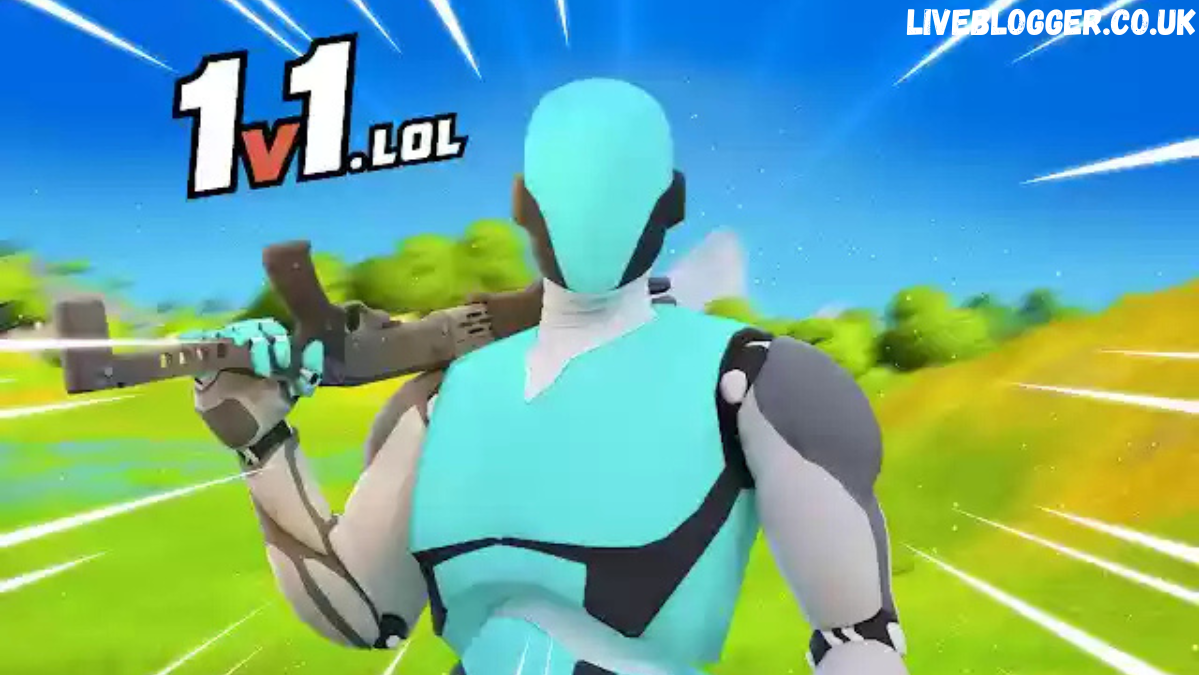
Online browser shooters have come a long way from simple click-and-shoot mechanics. Fast movement, building strategy, and real-time reactions now shape how players compete, and that’s exactly where 1v1.lol Unblocked became popular. People enjoy it because it launches instantly, runs smoothly on modest devices, and still feels skill-based instead of luck-based.
This guide explains everything in a clear and practical way. You’ll understand gameplay mechanics, performance tricks, and strategy improvements that make matches feel fair and competitive. Whether you are casually exploring the game during a break or trying to improve your aim and building coordination, the goal here is to help you play smarter rather than just faster.
1v1.lol Unblocked gameplay basics
At its core, the game mixes shooting mechanics with fast building reactions. Players don’t just aim; they construct walls, ramps, and platforms during combat. This creates a tactical environment where positioning matters as much as accuracy. Instead of relying purely on reflexes, you learn how to control space and timing.
The movement system feels light and responsive. Jumping, strafing, and building combine into a rhythm. New players often think winning depends only on aim, but experienced players know positioning decides most duels. A single well-placed wall can reset a fight and give you time to reload, heal mentally, and counterattack.
Another appealing aspect is accessibility. Because 1v1.lol Unblocked runs directly in a browser, players avoid downloads and storage limits. The simplicity of launching it quickly is a major reason people keep returning. You can practice a few matches without committing hours, which makes improvement feel natural rather than forced.
1v1.lol Unblocked controls and movement mastery
Understanding controls is the first real skill ceiling. Many beginners rely on default key placement without thinking about comfort. But smooth gameplay comes from muscle memory, and muscle memory comes from consistency. Adjusting keys to match hand positioning makes building faster and less stressful.
A useful tip is separating movement fingers from building fingers. When you avoid overlapping tasks, your brain processes actions faster. Players who struggle often press multiple keys awkwardly and panic during close combat. Clean finger placement alone can noticeably improve performance.
Movement also depends on rhythm. Instead of holding forward constantly, experienced players move in bursts. Short strafes and direction shifts make you harder to hit. Over time you start predicting opponent aim and naturally dodge shots. That awareness turns every fight into controlled pressure rather than chaotic clicking.
1v1.lol Unblocked building techniques explained
Building feels overwhelming at first, yet it becomes intuitive surprisingly quickly. Start with simple defensive walls. The purpose isn’t trapping enemies but creating breathing room. Once comfortable, combine a wall and ramp together. That pair creates both protection and elevation, which is the foundation of nearly every engagement.
Advanced players build while shooting, not before shooting. They place structures during combat as part of movement, almost like dancing around bullets. Practicing slowly helps more than rushing. Accuracy and timing matter far more than speed alone.
Another overlooked skill is editing mindset, even without complex editing tools. You learn when to replace a wall, when to peek, and when to disengage. These micro decisions separate reactive players from strategic players. Over time, matches feel less random and more predictable because you control the tempo.
Why players enjoy browser-based competitive shooters
Convenience is the biggest attraction. Launching a game instantly removes the mental barrier that large downloads create. Many players just want a quick skill challenge rather than a long commitment, and browser shooters provide exactly that experience.
There is also a fairness perception. Since everyone runs the same lightweight version, hardware advantage matters less. Competitive balance becomes more about awareness and timing. That simplicity creates a welcoming environment where beginners feel capable of improving.
Another reason is learning speed. Quick matches encourage experimentation. You try a strategy, fail, and instantly retry. Rapid repetition accelerates understanding far faster than long matches in traditional shooters. This design quietly trains reflexes without players realizing they are practicing.
Improving accuracy and reaction time
Accuracy in fast shooters is rarely about flick speed alone. It begins with crosshair placement. Keeping your aim at expected enemy height prevents last-second adjustments. Most missed shots come from aiming at the ground while moving.
Reaction time improves through anticipation rather than raw speed. When you predict where an opponent will appear, you react instantly because your brain already prepared the motion. This turns reactions into confirmation rather than discovery.
Consistency beats intensity. Short daily sessions outperform long irregular ones. Playing briefly but regularly trains your brain to recognize patterns. Over time you’ll notice you shoot earlier and build automatically without conscious effort.
Smart positioning and defensive play
Aggressive play feels exciting, but controlled positioning wins more fights. The idea is simple: always fight on your terms. If the opponent sees you first, reposition instead of forcing a duel. Resetting a fight often gives a huge advantage.
Use height naturally rather than obsessively. Many players climb endlessly and become predictable targets. Smart players change elevation only when needed. Subtle elevation shifts confuse opponents more than constant towering.
Defense also includes patience. Waiting a moment behind cover can force an opponent to rush. Panic is a powerful tool. By staying calm, you make the other player impatient, and impatience creates mistakes.
Performance optimization for smoother gameplay
Browser games depend heavily on stability. Closing unnecessary tabs helps reduce input delay. Even small performance gains noticeably improve aiming consistency because timing becomes predictable.
Lower graphical settings whenever available. Competitive players prioritize clarity over appearance. Clean visuals help track movement better than detailed textures.
Network stability matters too. Playing on a steady connection reduces sudden teleporting or missed shots. When gameplay feels reliable, your decisions feel fair, and improvement becomes measurable rather than frustrating.
Practice routines that actually work
Instead of playing endlessly, structure practice into short goals. Spend a few minutes focusing only on aim. Then practice defensive building. Finally play matches applying both. Separating skills helps your brain learn each mechanic clearly.
Another effective method is reviewing mistakes immediately. After losing a duel, think about positioning instead of blaming speed. Identifying one small improvement per match accelerates progress dramatically.
Consistency again matters most. Daily brief practice trains muscle memory without burnout. Over time actions feel automatic and stress disappears.
Mindset and competitive growth
Improvement depends more on mindset than talent. Treat losses as information rather than failure. Each defeat shows where timing or positioning broke down. Players who analyze calmly progress faster than players who rush revenge matches.
Confidence should come from preparation. When you know you practiced intentionally, matches feel less stressful. You stop overreacting and begin controlling engagements.
Enjoyment is essential too. Competitive growth happens best when curiosity replaces frustration. The more relaxed you stay, the clearer your decisions become.
Safety and responsible gaming habits
Quick access games are convenient but can also encourage endless repetition. Setting natural stopping points keeps the experience healthy. Short sessions maintain focus and prevent fatigue from lowering performance.
Take breaks for your eyes and hands. Stretching fingers improves comfort and accuracy. Surprisingly, physical relaxation directly improves reaction time and consistency.
Responsible play ensures the game remains a fun challenge rather than a stressful habit. Balance helps maintain both enjoyment and improvement.
Conclusion
Mastering 1v1.lol Unblocked is less about raw speed and more about controlled decision-making. Players who learn positioning, rhythm, and calm reactions naturally outperform those who rely only on fast clicking. Small improvements accumulate into noticeable skill growth over time.
By practicing intentionally, adjusting controls, and maintaining a relaxed mindset, matches become predictable and satisfying. Instead of chaotic fights, you start recognizing patterns and shaping the pace yourself. That transformation is what keeps players engaged and continually improving.
Frequently Asked Questions
What makes the game popular among students and casual players?
Its instant launch and quick matches allow short play sessions without long downloads or updates.
Do you need a powerful computer to play smoothly?
No, the lightweight design allows it to run well on modest devices when unnecessary background apps are closed.
How can beginners improve quickly?
Focus on positioning first, then aim. Understanding movement and cover dramatically increases survival time.
Is building more important than shooting?
Both matter, but building controls the fight while shooting finishes it. Strategy usually wins over raw speed.
How often should you practice?
Short consistent sessions work better than long occasional ones because muscle memory develops gradually.