

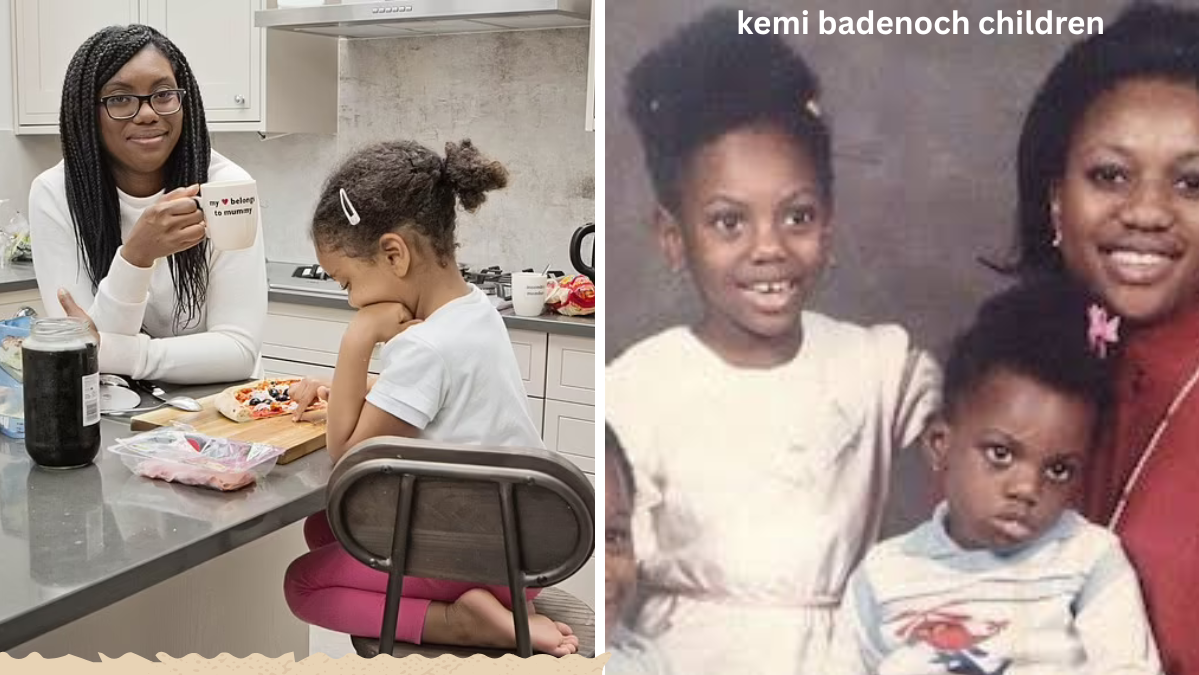
When people discuss modern British politics, much of the attention naturally focuses on leadership, policy positions, parliamentary debates, and election campaigns. Yet behind every prominent public figure lies a personal story that often shapes their values, priorities, and perspective. For many observers, curiosity about family life becomes a way to understand the individual beyond political headlines. This is particularly true for Kemi Badenoch children, a topic that frequently attracts interest among those seeking a fuller picture of one of Britain’s most recognizable political figures.
As a leading voice in contemporary politics, Kemi Badenoch has developed a reputation for direct communication, strong convictions, and a distinctive approach to public service. While her professional life receives extensive media coverage, she has consistently maintained a degree of privacy regarding her family. This balance between public responsibility and personal protection reflects a growing trend among political leaders who wish to shield their children from unnecessary public attention.
Understanding family life can provide valuable context for how leaders view society, education, community, and future generations. In Badenoch’s case, her experiences as a parent have become part of the broader narrative surrounding her political journey. Although she rarely places her children at the center of public discussions, her role as a mother remains an important aspect of her identity.
This article explores her family background, parenting philosophy, public approach to privacy, and the broader significance of family life in modern politics.
Understanding Kemi Badenoch’s Family Background
Kemi Badenoch was born in London and spent significant parts of her childhood in Nigeria before eventually returning to the United Kingdom. Her multicultural upbringing exposed her to different social environments, educational systems, and cultural expectations. These experiences would later influence her worldview and contribute to her unique perspective on British society.
Family has played an important role throughout her personal story. Growing up in an environment that emphasized education, hard work, and resilience helped shape many of the principles she frequently discusses in public life. Those values continue to resonate in her approach to parenting and family responsibilities today.
Her journey from childhood experiences across continents to becoming a major political figure reflects the influence of family support and personal determination. Many political commentators note that such experiences often create a deeper appreciation for stability, opportunity, and long-term planning—qualities frequently associated with parenthood.
As interest in public figures continues to grow, people naturally seek information about the families that support them. Discussions about Kemi Badenoch children often emerge from a desire to understand the personal foundations behind her public career rather than mere curiosity about private matters.
Marriage and Family Life Away From Politics
Kemi Badenoch is married to Hamish Badenoch. Their relationship has often been described as a partnership built on mutual support and respect. While political careers can place enormous demands on personal relationships, the Badenoch family has generally maintained a relatively low profile.
Balancing marriage, parenthood, and public service requires considerable effort. Political schedules are notoriously demanding, involving parliamentary sessions, constituency work, media appearances, and party commitments. Despite these pressures, Badenoch has spoken at various times about the importance of family and maintaining meaningful connections outside politics.
The family’s approach reflects a broader reality faced by many working parents. Whether in politics, business, healthcare, or education, individuals often struggle to balance professional obligations with family responsibilities. This shared experience may help explain why many people relate to stories about political leaders as parents.
Family life also provides perspective. Political leaders spend much of their time discussing long-term national issues, but raising children often brings those concerns into sharper focus. Questions surrounding education, safety, economic opportunity, and community development become deeply personal as well as political.
A Quick Overview of Her Family
The following table summarizes publicly known information about Kemi Badenoch’s immediate family.
| Family Member | Relationship | Public Information |
|---|---|---|
| Kemi Badenoch | Mother | Senior British politician |
| Hamish Badenoch | Husband | Banking professional |
| Children | Sons and daughters | Kept largely out of public view |
| Extended Family | Parents and relatives | Strong influence through education and values |
This overview demonstrates how carefully the family separates public responsibilities from private life. Limited public information about the children reflects a deliberate effort to preserve normal childhood experiences.
Why Public Interest in Political Families Continues to Grow
Political families have fascinated the public for generations. Citizens often view family life as a window into a leader’s character, priorities, and values. While policy positions reveal professional beliefs, family relationships can provide insights into personal motivations.
This interest is not unique to the United Kingdom. Around the world, voters often pay attention to the spouses and children of presidents, prime ministers, ministers, and party leaders. Family narratives can humanize political figures and make them more relatable.
However, increased public interest brings challenges. Modern media, social platforms, and continuous news coverage have blurred the boundaries between public and private life. As a result, many politicians have become more protective of their children than previous generations.
In discussions surrounding Kemi Badenoch children, this tension between public curiosity and personal privacy frequently becomes apparent. Many observers respect the family’s decision to keep details limited while still acknowledging the role family plays in shaping leadership perspectives.
Parenthood and Leadership Responsibilities
Parenthood often influences how leaders think about society’s future. Raising children naturally encourages long-term thinking, making issues such as education, economic growth, environmental sustainability, and public safety more immediate and personal.
Many political leaders have described parenthood as transformative. It can shift priorities, increase empathy, and strengthen awareness of the consequences future generations may face. These effects are not limited to politics; they occur across professions and cultures.
For public figures, parenting also involves unique challenges. Their decisions are scrutinized, schedules are unpredictable, and family members may face unwanted attention. Protecting children while fulfilling public duties requires careful planning and strong support systems.
Badenoch’s approach appears to reflect a belief that children deserve space to develop independently of their parents’ political identities. This philosophy aligns with a growing trend among public figures who seek to preserve normality for their families despite extraordinary professional circumstances.
The Importance of Privacy in Modern Political Families
One of the defining features of contemporary public life is the struggle to maintain privacy. The rise of digital media has dramatically increased access to personal information, making family protection more challenging than ever.
Many politicians choose to limit public discussion of their children for several reasons. Safety concerns remain important, particularly for individuals in highly visible roles. Privacy also allows children to develop their own identities without constant public scrutiny.
This approach does not necessarily indicate secrecy. Rather, it reflects a belief that children should not automatically become public figures simply because their parents are. Many voters and journalists increasingly recognize and respect this distinction.
The limited information available regarding Kemi Badenoch children illustrates this principle. While her role as a mother is publicly acknowledged, detailed information about her children’s lives remains appropriately private.
How Family Experiences Shape Political Perspectives
Personal experiences often influence political thinking. Family responsibilities can affect how leaders view education systems, healthcare access, childcare support, housing affordability, and economic opportunity.
Parents frequently encounter practical challenges that bring policy issues into sharper focus. Questions about school quality, community safety, transportation, and future career opportunities become more than abstract topics. They become real concerns affecting daily life.
Political leaders are not immune to these experiences. In many cases, their interactions as parents provide valuable insights that complement professional expertise. Family life can therefore contribute to a broader understanding of public needs and concerns.
Badenoch’s background, combined with her experience as a parent, likely contributes to her perspective on several key issues. While individual policy positions are shaped by many factors, personal experiences often remain an important influence.
Balancing Public Expectations and Private Responsibilities
The expectations placed upon political leaders can be immense. Citizens expect competence, transparency, dedication, and availability. At the same time, leaders remain spouses, parents, children, and community members.
Finding balance is rarely easy. Family events may compete with political obligations. Travel schedules can reduce time at home. Media attention may create additional stress for family members who never sought public exposure.
Successful balance requires clear boundaries. Many political families establish rules regarding media appearances, social media visibility, and public discussion of personal matters. These boundaries help preserve family stability despite external pressures.
For Badenoch, maintaining a distinction between public leadership and family life appears to be a consistent priority. This approach has enabled her to pursue a demanding political career while protecting those closest to her.
Parenting Values and Personal Principles
Although Badenoch rarely shares extensive details about her children, observers often note recurring themes in her public comments regarding values and responsibility. These themes include hard work, resilience, accountability, and educational achievement.
Such principles are common among parents seeking to prepare children for an increasingly competitive and complex world. Encouraging independence while providing support remains one of the most challenging aspects of parenting.
Values transmitted within families often influence future generations long after childhood ends. Lessons regarding responsibility, perseverance, and integrity can shape educational choices, professional development, and civic engagement.
Political leaders frequently emphasize these values because they connect personal experiences with broader social aspirations. Parents across different backgrounds often share similar hopes for their children’s futures regardless of political differences.
The Public Image of Political Parenthood
Parenthood has long played a role in political storytelling. Campaigns often highlight family life to demonstrate relatability and shared experiences. Images of leaders with spouses and children can help create emotional connections with voters.
However, contemporary audiences have become more sensitive to the distinction between genuine family life and political marketing. Excessive focus on children can sometimes generate criticism, particularly when it appears to compromise privacy.
As a result, many modern politicians adopt a more restrained approach. They acknowledge family roles while avoiding excessive exposure of their children. This balance seeks to maintain authenticity without exploiting personal relationships.
The public conversation surrounding Kemi Badenoch children generally reflects this modern approach. Interest remains high, yet public visibility remains limited, allowing family life to stay largely separate from political branding.
Challenges Faced by Children of Political Leaders
Children of prominent political figures often encounter unique experiences. Public recognition can bring opportunities, but it may also create pressures unavailable to most families.
Young people whose parents hold public office may face media attention, online commentary, and assumptions based on political affiliations. These challenges can affect social interactions, education, and personal development.
Protective parenting strategies therefore become especially important. Many political families carefully manage public appearances, social media exposure, and media engagement to minimize unnecessary attention.
Experts frequently emphasize that children deserve the opportunity to form their own identities independent of their parents’ careers. This principle increasingly guides how public figures approach family privacy in the digital age.
Family Life in Contemporary British Politics
British politics has evolved significantly over recent decades. Public expectations regarding transparency have increased, while attitudes toward privacy have become more nuanced. Citizens often seek authenticity without demanding unrestricted access to personal lives.
Many contemporary politicians openly discuss the challenges of balancing work and family responsibilities. These conversations resonate with voters facing similar pressures in their own careers and households.
The growing diversity of political leadership has also broadened public understanding of family experiences. Leaders now come from a wider range of cultural, ethnic, professional, and socioeconomic backgrounds than in previous generations.
Badenoch’s story reflects this changing landscape. Her background, career path, and family life contribute to a broader representation of modern Britain and its evolving political culture.
Public Curiosity and Respectful Boundaries
Public curiosity about political families is unlikely to disappear. Human beings naturally seek personal stories that help explain public figures. Family narratives often provide context, emotion, and relatability.
Yet curiosity must coexist with respect. Children who have not chosen public careers deserve reasonable protection from excessive scrutiny. Responsible journalism and informed public discussion increasingly recognize this principle.
This balance allows citizens to understand leaders as people without compromising the welfare of their families. It acknowledges legitimate public interest while respecting personal dignity and privacy.
The ongoing attention surrounding Kemi Badenoch children demonstrates how public fascination can exist alongside broad respect for family boundaries. Many observers remain interested in her experiences as a parent while accepting that detailed information need not be publicly available.
The Broader Significance of Family in Leadership
Family life often serves as an anchor amid the pressures of leadership. Whether in politics, business, education, or public service, family relationships can provide emotional support, perspective, and motivation.
Leadership involves constant decision-making, public accountability, and professional demands. Family connections help maintain balance and remind leaders of the real-world consequences of their choices.
Many successful leaders have spoken about the importance of home life in sustaining resilience during challenging periods. Family members often provide encouragement, honest feedback, and a sense of normalcy unavailable elsewhere.
A frequently cited sentiment among public servants captures this reality well:
“Public service may shape a career, but family shapes a life.”
The quote resonates because it reflects a universal truth. Professional achievements matter, but personal relationships often define lasting fulfillment and meaning.
Looking at the Future
As Kemi Badenoch continues her political journey, public interest in her life and career will likely remain strong. Her leadership role ensures ongoing attention from supporters, critics, journalists, and political observers.
At the same time, her family’s commitment to privacy is likely to continue. Modern expectations increasingly recognize that children deserve protection from unnecessary public exposure regardless of their parents’ professions.
Future discussions about her career will undoubtedly focus on policy, leadership, and political developments. Yet her experiences as a parent will remain part of the broader context through which many people understand her values and motivations.
The story of political leadership is never solely about institutions or policies. It is also about individuals, families, and the experiences that shape public service. In that respect, family remains an important part of understanding any political figure.
Conclusion
Interest in Kemi Badenoch children reflects a broader desire to understand the personal side of one of Britain’s most prominent political leaders. While extensive details about her children remain private, her role as a mother forms an important part of her overall identity.
Throughout her career, Badenoch has demonstrated a commitment to balancing public responsibilities with family life. Her approach highlights the challenges faced by modern political leaders who seek to protect their children while fulfilling demanding public roles.
Family experiences often influence leadership perspectives, encouraging long-term thinking and deeper engagement with issues affecting future generations. Although the public may never know every detail of her home life, the values associated with parenthood remain visible in the broader narrative surrounding her career.
Ultimately, respect for privacy and appreciation for family responsibilities can coexist. Understanding this balance provides a more complete and thoughtful perspective on both political leadership and modern parenthood.
FAQ
How many children does Kemi Badenoch have?
Kemi Badenoch is publicly known to have children with her husband, Hamish Badenoch. However, the family has chosen to keep detailed information about their children private. This decision reflects a desire to provide them with a normal upbringing away from political attention.
Why is there public interest in Kemi Badenoch children?
People are often interested in the families of political leaders because family life can provide insight into personal values, priorities, and experiences. Interest in Kemi Badenoch children largely stems from curiosity about the personal side of a prominent public figure.
Does Kemi Badenoch discuss her children publicly?
Badenoch generally keeps discussions about her children limited. While she occasionally acknowledges her role as a mother, she avoids sharing extensive personal details, demonstrating a strong commitment to family privacy.
Who is Kemi Badenoch’s husband?
Kemi Badenoch is married to Hamish Badenoch, a professional who has largely remained outside the political spotlight. Together they have built a family life that remains relatively private despite her public career.
How does parenthood influence political leaders?
Parenthood often encourages leaders to think about long-term issues such as education, economic opportunity, public safety, and future generations. Experiences as parents can provide practical perspectives that influence public service and leadership.
Why do many politicians protect their children’s privacy?
Children of political leaders often face unique pressures, including media attention and public scrutiny. Protecting privacy allows them to develop independently and enjoy a more normal childhood experience, separate from their parents’ public roles.
What does Kemi Badenoch’s approach to family life reveal?
Her approach suggests a strong commitment to balancing public responsibilities with personal priorities. By maintaining privacy while embracing her role as a parent, she reflects a modern understanding of leadership, family, and personal boundaries.