

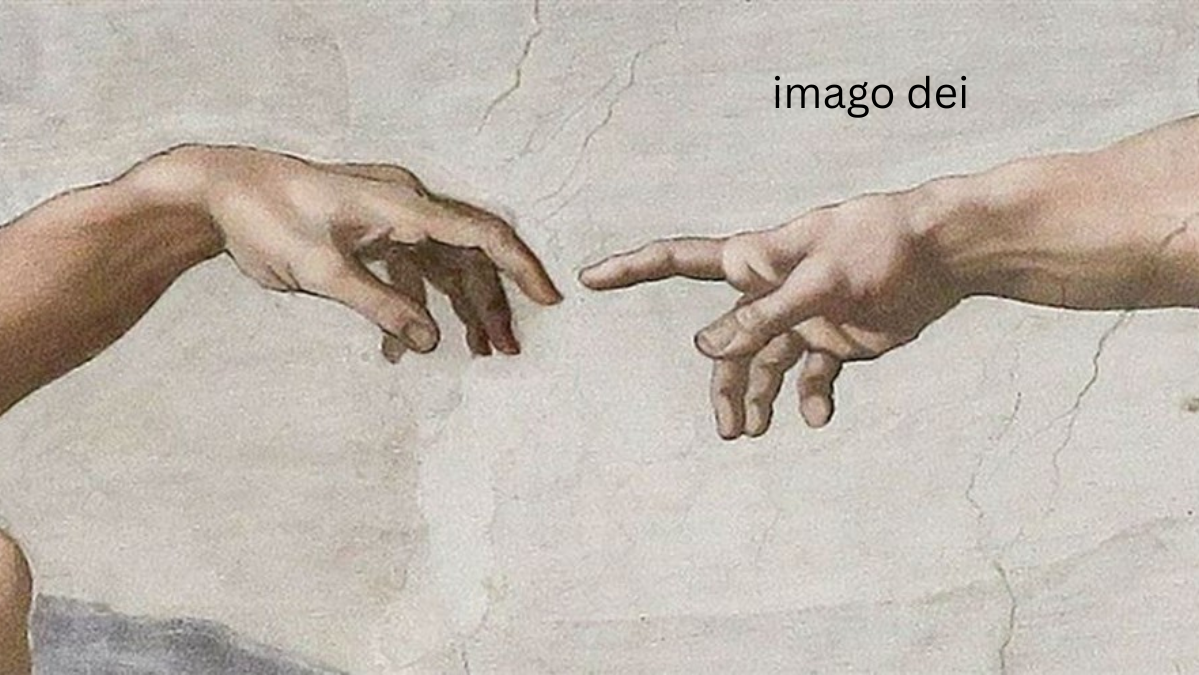
The phrase imago dei carries a quiet weight, one that echoes through centuries of theology, philosophy, and human self-reflection. Rooted in ancient texts and shaped by evolving interpretations, it describes a profound idea: that human beings bear the image of the divine. This concept is not merely symbolic or poetic; it has shaped how people understand dignity, morality, identity, and purpose across cultures and generations.
To engage with imago dei is to step into a conversation that bridges the sacred and the everyday. It touches questions about what it means to be human, why life holds inherent value, and how individuals relate to one another and to something greater than themselves. Whether explored through religious tradition or philosophical inquiry, the idea continues to influence modern discussions about human rights, ethics, and personal meaning.
The Origins and Meaning of Imago Dei
The concept of imago dei finds its earliest and most influential expression in the Book of Genesis, where humanity is described as being created in the image and likeness of God. This foundational statement has inspired centuries of interpretation, each attempting to grasp its depth and implications. At its core, it suggests that human beings reflect certain qualities of the divine, though not in a physical sense.
The meaning of imago dei has been debated across theological traditions. Some interpretations emphasize rationality and intellect, proposing that the human ability to reason reflects divine wisdom. Others focus on relational capacity, suggesting that the ability to form meaningful connections mirrors the relational nature of the divine. Still others highlight moral awareness, creativity, or the capacity for love as expressions of this image. Each perspective adds a layer of richness to the concept, revealing its complexity and enduring relevance.
Historical Interpretations Across Traditions
Throughout history, theologians and thinkers have offered diverse interpretations of imago dei. Early Christian scholars like Augustine emphasized the role of the mind, linking the divine image to memory, understanding, and will. In contrast, later thinkers such as Thomas Aquinas explored how reason and free will contribute to humanity’s likeness to God.
During the Reformation, figures like Martin Luther and John Calvin introduced new dimensions to the discussion. They emphasized the moral and spiritual aspects of the image, particularly in relation to sin and redemption. In their view, while the image remains present, it has been distorted and requires restoration through divine grace. This interpretation shaped much of Protestant theology and continues to influence contemporary thought.
Outside of Christianity, similar ideas appear in other traditions. Jewish theology often emphasizes ethical responsibility and covenantal relationship, while Islamic thought highlights humanity’s role as stewards or representatives of God on earth. These perspectives demonstrate that the essence of imago dei resonates beyond a single tradition, offering a shared language for exploring human dignity and purpose.
Theological Dimensions of Imago Dei
The theological significance of imago dei extends far beyond its initial statement. It serves as a foundation for understanding human nature, sin, and redemption. One key dimension is the distinction between the image and likeness of God, terms that have been interpreted in various ways. Some traditions see them as synonymous, while others view likeness as a goal toward which humanity strives.
Another important aspect is the idea of the image being marred or distorted. This does not imply that the image is lost, but rather that it is obscured by human imperfection. The process of restoration, whether understood through spiritual growth, ethical living, or divine intervention, becomes central to many theological frameworks.
A well-known reflection captures this tension:
“Man’s dignity lies not in what he is, but in what he is called to become.”
This perspective highlights the dynamic nature of imago dei. It is not merely a static attribute but an invitation to growth, transformation, and deeper alignment with divine qualities.
Philosophical Perspectives on Human Identity
Beyond theology, imago dei has influenced philosophical discussions about identity and existence. It raises questions about what sets humans apart from other forms of life and what gives life meaning. Philosophers have explored whether the divine image is best understood as a set of capacities, a relational state, or an inherent status.
The concept also intersects with debates about consciousness, free will, and moral responsibility. If humans reflect the divine, then their actions carry a unique significance. This idea has been used to argue for the intrinsic worth of every individual, regardless of external circumstances or abilities.
In modern philosophy, imago dei often appears in discussions about personhood and dignity. It provides a framework for understanding why human life deserves respect and protection, even in complex ethical situations. This enduring relevance demonstrates the concept’s ability to adapt and speak to contemporary concerns.
Imago Dei and Human Dignity
One of the most powerful implications of imago dei is its affirmation of human dignity. If every person bears the divine image, then every life holds inherent value. This idea has played a significant role in the development of human rights and ethical frameworks around the world.
The connection between imago dei and dignity can be summarized in the following table:
| Aspect | Explanation | Real-World Impact |
|---|---|---|
| Intrinsic Worth | Every person has value simply by being human | Supports human rights and equality |
| Moral Responsibility | Humans are accountable for their actions | Shapes legal and ethical systems |
| Relational Capacity | Ability to form meaningful connections | Encourages compassion and community |
| Creative Potential | Reflects divine creativity | Inspires art, innovation, and culture |
| Spiritual Awareness | Openness to transcendence | Influences religious and philosophical inquiry |
This framework illustrates how the concept extends beyond abstract theory into practical implications. It shapes how societies treat individuals, how laws are formed, and how people relate to one another.
Ethical Implications in Modern Society
In today’s world, the idea of imago dei continues to inform ethical discussions. It provides a foundation for addressing issues such as justice, equality, and human rights. By affirming the inherent worth of every individual, it challenges systems that devalue or exploit human life.
The concept also influences debates about technology, bioethics, and environmental responsibility. As society navigates rapid advancements, questions about what it means to be human become increasingly important. Imago dei offers a lens through which these questions can be explored, emphasizing dignity and responsibility.
A thoughtful observation captures this relevance:
“To see the image of God in another is to recognize a value that cannot be measured or replaced.”
This perspective encourages a deeper sense of respect and care, shaping how individuals and communities approach complex ethical challenges.
Imago Dei and Personal Identity
On a personal level, imago dei speaks to questions of identity and self-worth. It suggests that value is not based on achievements, status, or external validation, but on an inherent connection to the divine. This understanding can be both grounding and transformative.
For many, the concept provides a sense of purpose. It invites individuals to reflect divine qualities such as love, justice, and creativity in their daily lives. This does not imply perfection, but rather a continuous journey of growth and alignment.
The idea also offers comfort in moments of struggle. By affirming that the divine image remains present, even in imperfection, it provides a foundation for hope and resilience. This enduring presence becomes a source of strength and inspiration.
Cultural and Artistic Expressions
The influence of imago dei extends into art, literature, and culture. Artists and writers have drawn on the concept to explore themes of identity, beauty, and transcendence. From Renaissance paintings to modern poetry, the idea continues to inspire creative expression.
In visual art, the human form is often depicted as a reflection of divine beauty. In literature, characters grapple with questions of purpose and morality, echoing the themes of imago dei. These cultural expressions demonstrate how the concept resonates beyond academic or religious contexts.
Art becomes a medium through which the divine image is both explored and celebrated. It invites viewers and readers to engage with deeper questions about humanity and existence, creating a bridge between the seen and the unseen.
Contemporary Relevance and Challenges
In a rapidly changing world, the relevance of imago dei remains strong. It provides a framework for addressing contemporary challenges, from social inequality to technological advancement. By emphasizing human dignity, it offers a counterbalance to forces that reduce individuals to mere numbers or functions.
At the same time, the concept faces challenges. Diverse interpretations and secular perspectives raise questions about its applicability in pluralistic societies. Yet, even in these contexts, the underlying principles of dignity and value continue to resonate.
The adaptability of imago dei is part of its strength. It invites ongoing reflection and dialogue, allowing it to remain meaningful across different cultures and eras.
The Transformative Power of Imago Dei
The true power of imago dei lies in its ability to transform how people see themselves and others. It calls for a shift from superficial judgments to a deeper recognition of inherent worth. This transformation has the potential to reshape relationships, communities, and societies.
When individuals embrace this perspective, it fosters empathy and compassion. It encourages actions that reflect respect and care, creating a ripple effect that extends beyond personal interactions. In this way, the concept becomes not just a belief, but a way of living.
A meaningful reflection captures this transformation:
“When you recognize the divine image in yourself, you begin to see it everywhere.”
This insight highlights the interconnectedness of humanity and the potential for positive change.
Conclusion
The concept of imago dei stands as one of the most profound ideas in human thought. It bridges theology, philosophy, and everyday experience, offering a vision of humanity rooted in dignity and purpose. Through centuries of interpretation, it has remained a source of inspiration and guidance, shaping how people understand themselves and the world around them.
Its enduring relevance lies in its simplicity and depth. By affirming that every person bears the divine image, it provides a foundation for respect, compassion, and ethical living. In a world often marked by division and uncertainty, this perspective offers a reminder of shared humanity and intrinsic worth.
FAQ Section
What does imago dei mean?
Imago dei is a Latin term meaning “image of God.” It refers to the belief that human beings are created in a way that reflects certain attributes of the divine, such as rationality, morality, and relational capacity.
Why is imago dei important?
The concept is important because it affirms the inherent dignity and value of every person. It has influenced ethical systems, human rights, and philosophical discussions about identity and purpose.
Does imago dei apply to everyone?
Yes, the idea generally holds that all human beings bear the divine image, regardless of their background, abilities, or circumstances. This universality is central to its ethical implications.
How does imago dei relate to modern society?
In modern contexts, imago dei informs discussions about equality, justice, and human rights. It provides a framework for addressing social and ethical challenges while emphasizing respect for all individuals.
Can imago dei be understood outside of religion?
While rooted in religious tradition, the concept can also be explored in philosophical and cultural contexts. Its emphasis on human dignity and value resonates even in secular discussions about ethics and identity.